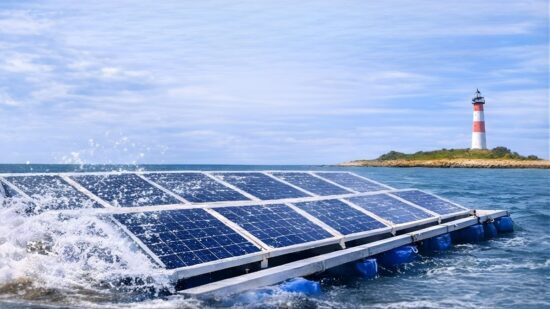
Impact of Salt on Floating Solar Panel Performance in Marine Environments

Background of the Study Renewable energy, Floating Solar Photovoltaic technology is evolving as a sustainable approach to generate clean energy without occupying valuable land resources and at the same time reducing water evaporation. Deploying PV modules on water bodies such as lakes, reservoirs, and near coastal zones, FSPV offers efficiency benefits due to natural cooling,…


Loading

Carbon Capture: Innovative CO₂ Capture Solutions for a Low-Carbon Future

Rising concentrations of carbon dioxide (CO₂) in the atmosphere are widely recognized as a primary source of global climate change. Rapid industrialization, increasing energy demand, and continued reliance on fossil fuels have significantly intensified CO₂ emissions from power plants, manufacturing facilities, and transportation systems. Despite the global push toward renewable energy, reaching complete decarbonization will…

Loading

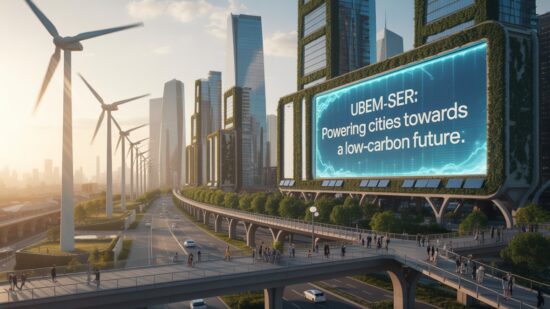
UBEM-SER: Powering Cities Towards a Low-Carbon Future 

Sufficiency, Efficiency and Renewables – The Pathway to Carbon-neutral Buildings  Step into any bustling city, and you’ll see towering office blocks, shopping malls, hotels, and hospitals. While they serve our daily needs, these commercial buildings also consume massive amounts of energy, often making up over 40% of a city’s electricity demand.  With global climate change…

Loading

Utilizing Brick Waste for Eco-Friendly Soil Stabilization

The construction industry has a large environmental footprint due to its heavy use of natural materials and the pollution caused by construction and manufacturing activities. When old buildings are torn down, a huge amount of waste is produced—known as construction and demolition waste (CDW). This type of waste makes up over one-third of all the…

Loading

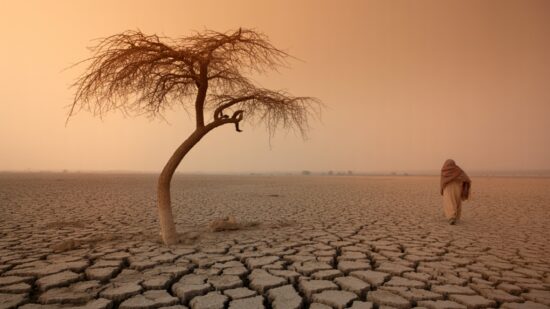
UNDERSTANDING CLIMATE CHANGE IN PAKISTAN THROUGH THE LENS OF METEOROLOGICAL DROUGHT INDICES

Pakistan ranks among the most vulnerable nations globally to the adverse impacts of climate change, facing an escalating crisis marked by extreme weather events and shifting hydrometeorological patterns. Despite this alarming reality, the country remains critically deficient in the infrastructure and resources necessary to establish a robust climate change monitoring system. The absence of an…

Loading

Building a Sustainable Future: Using Smart Materials to Combat Pakistan’s Energy Crisis

Pakistan’s climate, characterized by long, hot summers that stretch over eight months, poses a significant challenge for maintaining comfortable living environments. With over 50% of electricity consumption attributed to residential buildings and the energy demand rising at 4% annually, the reliance on air conditioning systems to cool buildings leads to skyrocketing energy demands. According to…

Loading