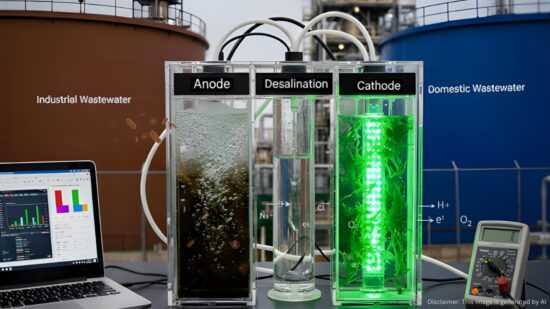
Turning Waste into Power: How Microbes Can Clean Water and Generate Energy

Have you ever imagined a system that can treat wastewater, remove salt from seawater, and generate electricity all at the same time? It may sound like something out of science fiction, but scientists are making it a reality. One fascinating innovation that combines biology, chemistry, and renewable energy is the Photosynthetic Microbial Desalination Cell (PMDC)….

Loading

UBEM-SER: Powering Cities Towards a Low-Carbon Future 

Sufficiency, Efficiency and Renewables – The Pathway to Carbon-neutral Buildings  Step into any bustling city, and you’ll see towering office blocks, shopping malls, hotels, and hospitals. While they serve our daily needs, these commercial buildings also consume massive amounts of energy, often making up over 40% of a city’s electricity demand.  With global climate change…

Loading

Mitigating Seasonal Soil Desiccation Cracking: Building Climate-Resilient Infrastructure 

Summary/Blog: Clays contain hydrophilic minerals like montmorillonite and illite, which significantly influence their geotechnical behavior. These minerals cause substantial volume changes in response to moisture fluctuations, leading to swelling, shrinkage, and potential structural damage. During desiccation, the tensile stresses within the soil can exceed its strength, resulting in cracking. This phenomenon is particularly relevant in…

Loading

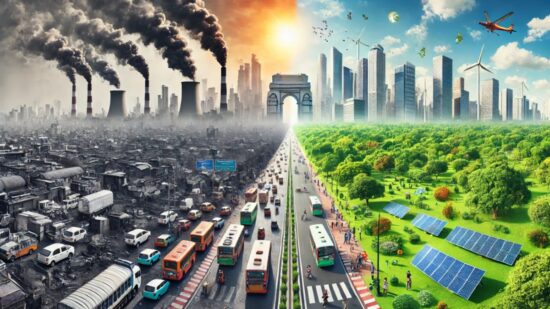
Breaking Down Smog: Innovative Filtration for Cleaner Cities

Introduction With rapid urbanization and industrial growth, air pollution has become a major environmental crisis, posing severe threats to human health and ecological balance. Among the most concerning forms of pollution is smog, a dense atmospheric layer primarily composed of particulate matter (PM) and sources of secondary PM like sulfur oxides (SOₓ), nitrogen oxides (NOₓ),…

Loading