Turning Waste into Power: How Microbes Can Clean Water and Generate Energy

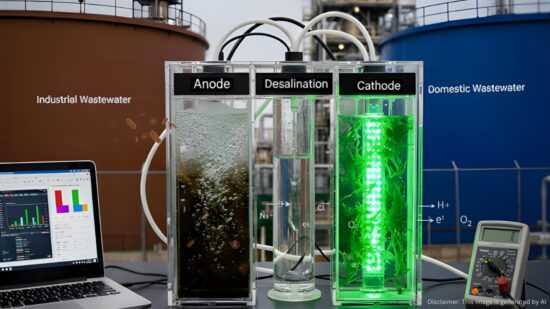
Have you ever imagined a system that can treat wastewater, remove salt from seawater, and generate electricity all at the same time? It may sound like something out of science fiction, but scientists are making it a reality. One fascinating innovation that combines biology, chemistry, and renewable energy is the Photosynthetic Microbial Desalination Cell (PMDC)….

Loading

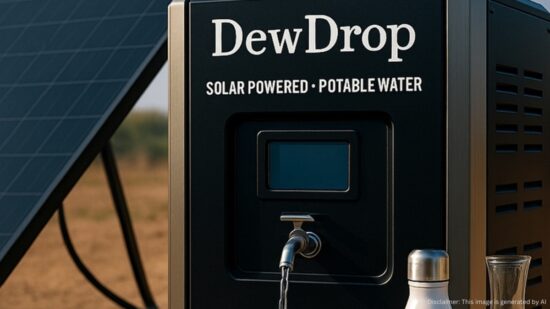
Atmospheric Water Generators: A Solar-Powered Solution to Water Scarcity

Access to safe drinking water remains one of the most pressing global challenges of the 21st century. Traditional sources are becoming increasingly unreliable due to climate change, rapid population growth, pollution, and unsustainable extraction practices. In response, researchers are advancing sustainable technologies like Atmospheric Water Generators (AWGs) devices that harvest potable water directly from moisture…

Loading

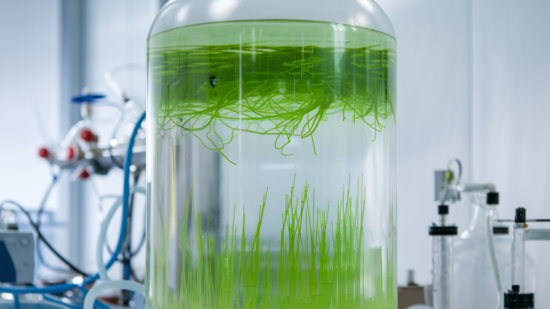
Biohydrogen – From Waste to Clean Energy

Understanding Biohydrogen Production Biohydrogen production refers to the generation of hydrogen gas through biological processes. This method is considered environmentally friendly compared to conventional hydrogen production methods that rely on fossil fuels. Among the various biological routes, dark fermentation and photo-fermentation are two key processes. Dark fermentation, typically performed by bacteria, produces hydrogen without the…

Loading

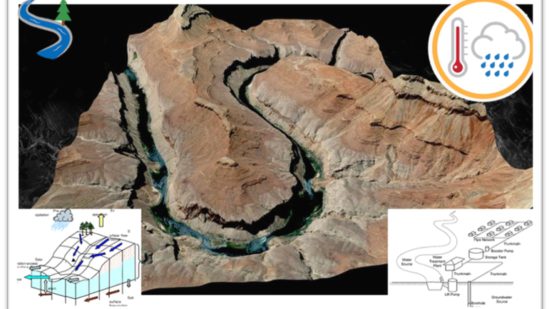
Mitigating the Risk of Urban Water Scarcity Through Hydrology

The recent climate changes pose significant threats to urban water accessibility. Shifts in the patterns of climate variables lead to increased water scarcity and competition for resources in urban areas. In addition, climate change-triggered extreme weather events can damage water infrastructure, disrupt supply systems, and compromise water quality. Aging infrastructure is vulnerable, and increased water…

Loading