
The Amalgamation of Wireless Technologies and Machine Learning for Localization: Investigations from NUST’s Information Processing and Transmissions Lab into the Future Wireless Systems

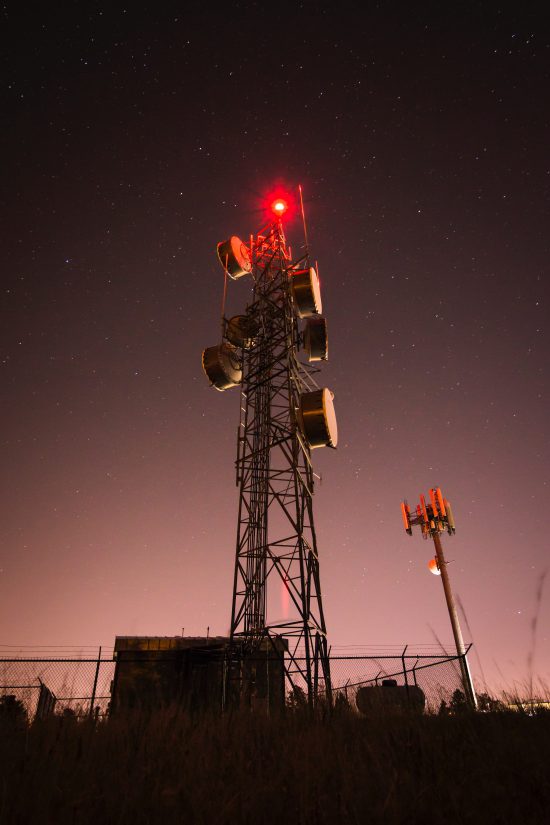
The scale of wireless technologies penetration in our daily lives, primarily triggered by the Internet-of-things (IoT)-based smart cities, is beaconing the possibilities of novel localization and tracking techniques. With the development of 5G networks, the need for GPS free localization for the provision of location-based services is becoming more and more important. The inherent high-power…

Governance Challenges Due To Emerging Technologies

A corollary of Buckminster Fuller’s Knowledge Doubling Curve states that the knowledge created since 1900 exceeds the sum total of knowledge created by mankind since the start of recorded history. The pace at which new knowledge is created, and applied towards the development of technologies, is exhaustive and exceedingly hard to track even by ardent…

How Balance of Power Shapes the World

The twin concepts and mechanisms of the balance of power and power maximization act as key global geopolitical drivers in the current international system. What these concepts mean in the simplest terms is this: the anarchic nature of the international system compels states to act as relentless power acquisition entities in order to ensure their…

NUST’s Energy Research Center Investigates Repowering Potential of a 49.5 MW Wind Farm based in the Jhimpir Wind Corridor

Wind power generation has increased in Pakistan over the last decade as newer renewable resources were explored to curb the electricity shortfall in the country. The Gharo-Jhimpir wind corridor, in the province of Sindh, was identified as the most lucrative site for establishing wind power plants in the country. As of now, the Jhimpir wind…