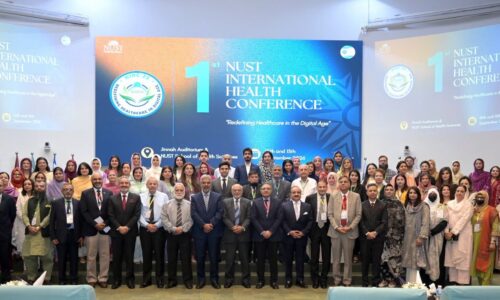
The School of Interdisciplinary Engineering and Sciences (SINES) at National University of Science and Technology (NUST) successfully hosted the 1st International Conference on Climate Change and Sustainable Development on February 25th–26th, 2025. The two-day event brought together international and national leading scientists, policymakers, industry experts, academics, and civil society organizations to foster collaboration, exchange knowledge, learning from global best practices and promote potential innovative solutions.
With climate change impacting every corner of the globe, this conference served as a premier global forum highlighting climate challenges and advancing sustainable development. It provided a platform for transformative strategies across diverse themes, including Climate Mitigation and Adaptation, Sustainable Development Goals (SDGs) and Climate Action, Environmental Risks and Resilience, Technological Innovations and Sustainable Practices, Social Dimensions of Climate Change, Interdisciplinary collaboration and Stakeholder Engagement, Case Studies and Best Practices, Resource / Energy Management and Engineering. Through keynote sessions, panel discussions, and networking, participants delved into meaningful conversations.
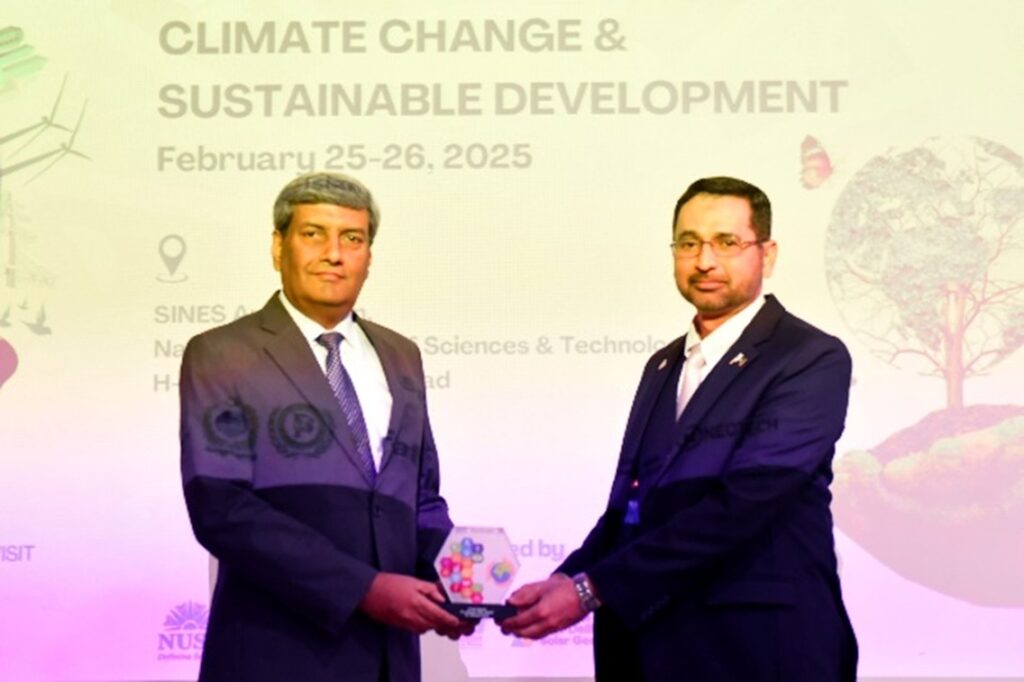
The opening ceremony commenced with remarks of Dr. Syed Irtiza Ali Shah, Principal & Dean at SINES and Patron-in-Chief of the conference, followed by Prof. Dr. Fouzia Malik, the Convener of the ICCCSD. The ceremony was honoured by the presence of Dr. Rizwan Riaz, Pro-Rector RIC at NUST, who delivered the keynote address as the chief guest.
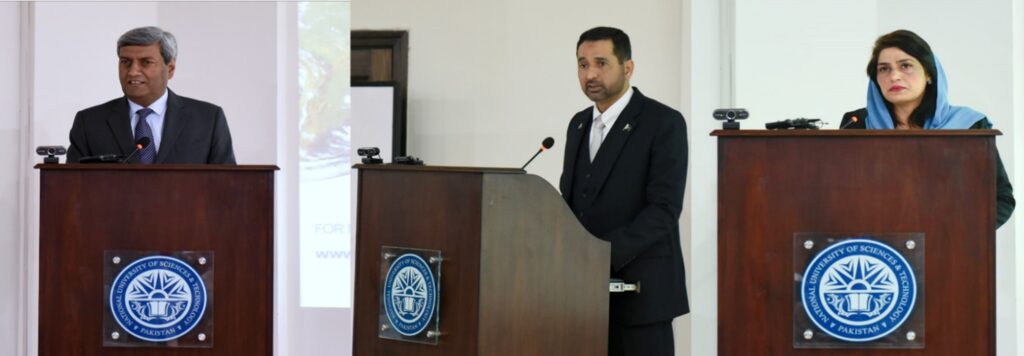
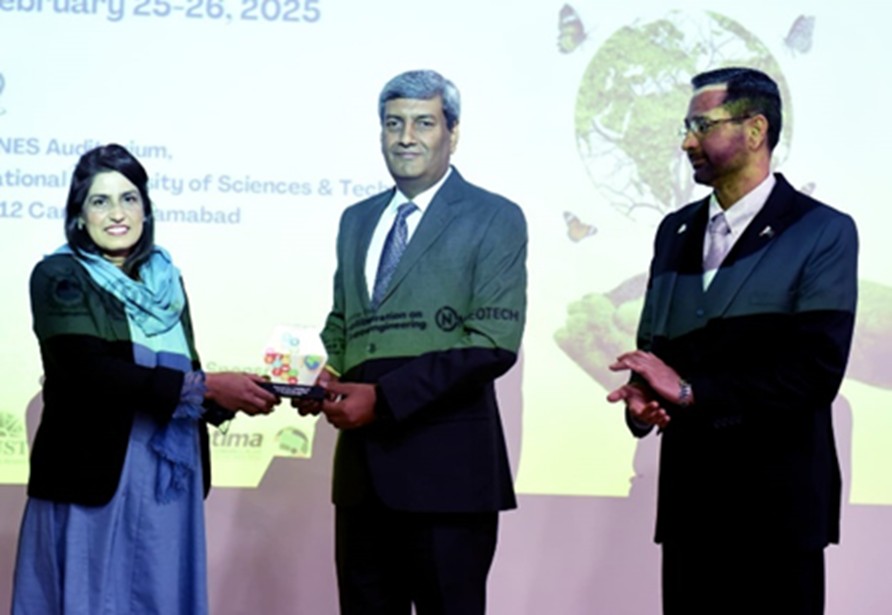
Pro-Rector RIC NUST Dr. Rizwan Riaz emphasized the critical role of the International Conference on Climate Change & Sustainable Development in addressing pressing global environmental challenges. He underscored how such academic and research-drivenplatforms foster collaboration among experts, policymakers and stakeholders to develop innovative solutions for climate resilience and sustainability.
Acknowledging the efforts behind the conference, the Pro-Rector extended heartfelt congratulations to Dr. Syed Irtiza Ali Shah and Dr. Fouzia Malik for their dedication and leadership in organizing a successful event. He recognized their contributions in bringing together renowned scholars and industry professionals to exchange knowledge, discuss policies, and promote actionable strategies for a sustainable future.
Furthermore, he highlighted the significance of the conference in raising awareness, advancing research, and encouraging interdisciplinary approaches to combat climate change. He expressed confidence that the discussions and insights shared during the event would play a vital role in shaping sustainable policies and practices at both national and international levels.
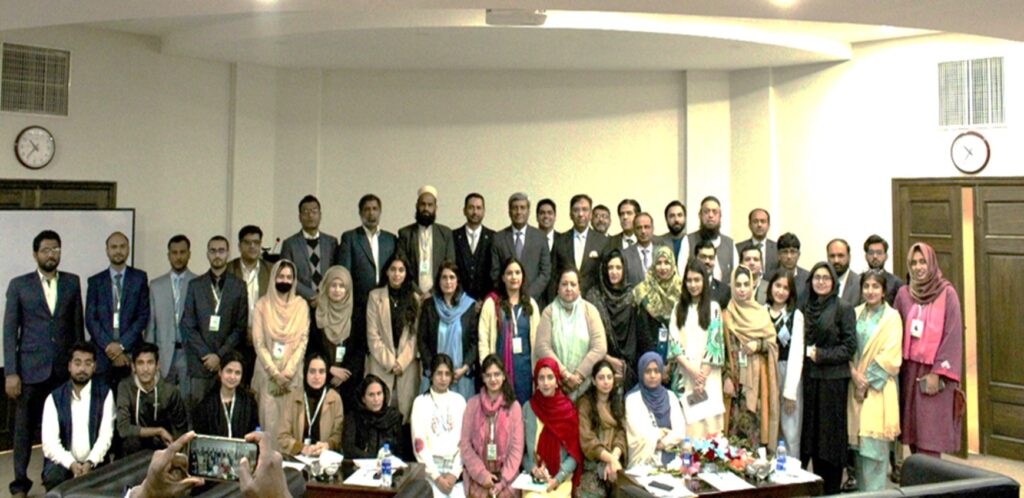
Plenary Sessions Spotlight Innovations & Collaborative Solutions for Climate Action
The conference brought together leading experts, policymakers, and researchers from across the globe, offering a dynamic platform for discussions on pressing climate challenges and sustainable solutions. Over two days, eight insightful plenary sessions explored a diverse range of topics, from climate mitigation and disaster resilience to sustainable technologies and policy integration.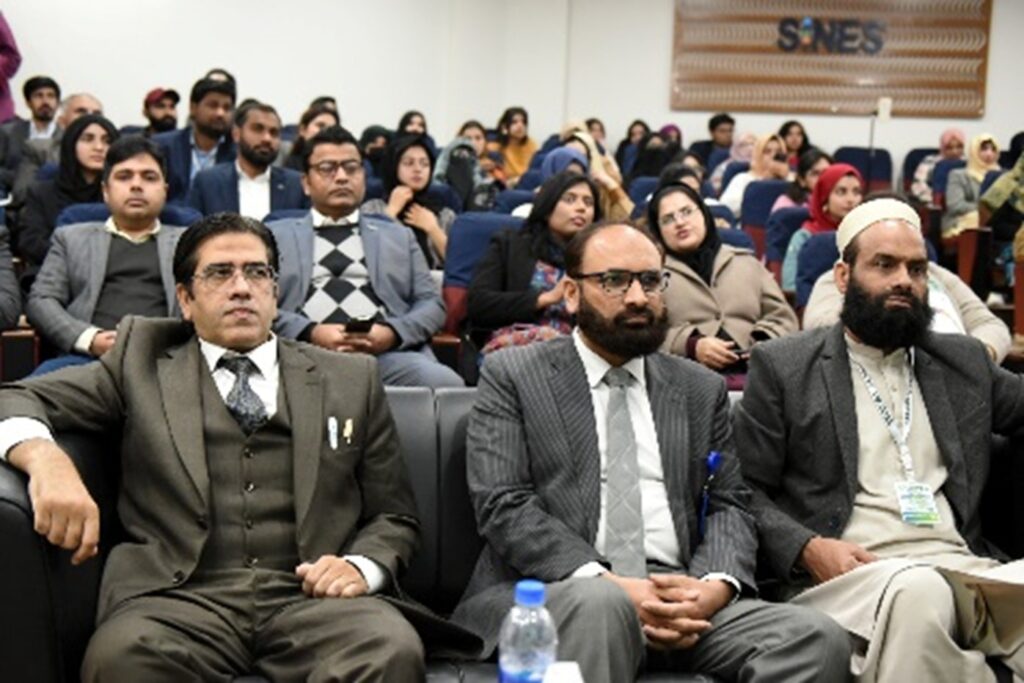
The opening plenary, chaired by Dr. Saifullah Awan (Professor, EME College, NUST), set the stage with discussions on environmental challenges and climate adaptation. Featured speakers included Zainab Naeem (Associate Research Fellow, SDPI), Prof. Dr. Donghui Shangguan (Northwest Institute of Eco-Environment and Resources, CAS, China), and Prof. Dr. Mohd Talib Latif (Chairman, Department of Earth Sciences and Environment, Universiti Kebangsaan Malaysia).
This was followed by a session on disaster management and technological innovations for resilience, chaired by Prof. Dr. Faheem Khokhar (IESE, NUST). Experts Dr. Neerish Revaprasadu (Sustainable Energy Management, University of Zululand, South Africa), Prof. Muhammad Arif Ali (Environmental Sciences, BZU Multan), and Dr. Muhammad Waseem (Civil Engineering, GIK Institute, Topi) shared their insights.
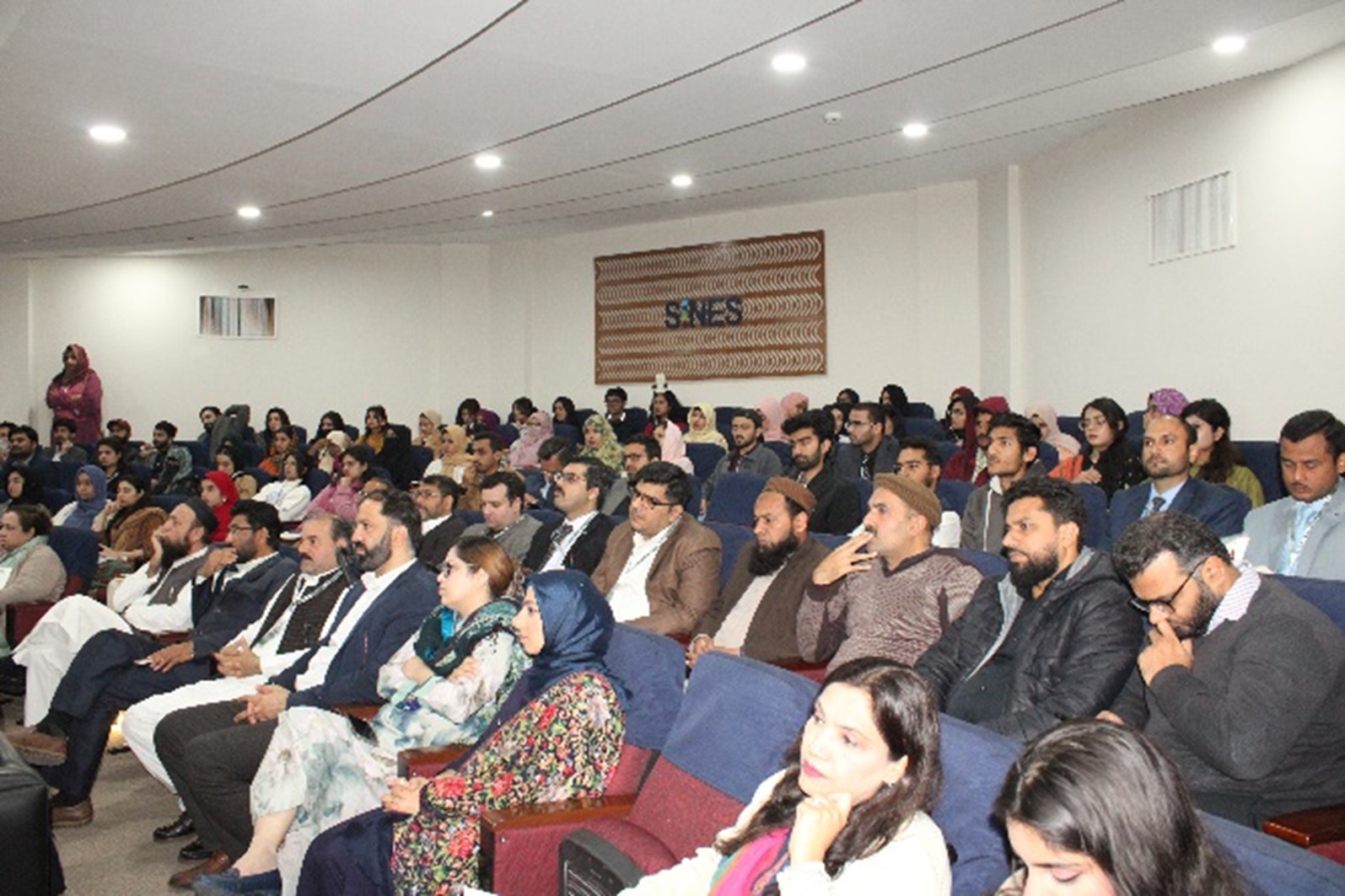
The third plenary, conducted by Dr. Muhammad Waseem, focused on innovative approaches to climate action, with contributions from Prof. Dr. Elena Gaura (Coventry University, UK), Prof. Dr. Muhammad Shaukat (ICCFS, Islamia University Bahawalpur), and Dr. Hammad Majeed (Head, Chemistry Department, UMT). The first day concluded with a compelling session led by Dr. Mian Ilyas (HOD Engineering, SINES), featuring Dr. Michael H. Bergin (Professor, Civil & Environmental Engineering, Duke University, USA), Alix Robinne (Sulitest), Prof. Dr. Fahim Khokhar (IESE, NUST), and Prof. Dr. Muhammad Shaukat.
Day two opened with the fifth plenary on technological innovations for climate resilience, chaired by Prof. Dr. Salman Atif (IGIS, NUST). Speakers included Prof. Dr. Kamala Badalova (Medical University, Azerbaijan), Prof. Dr. Muhammad Shoaib (Agricultural Engineering, BZU Multan), and Mr. Rashid Khan (Global Disaster Risk & Emergency Management Expert).
The sixth plenary explored energy efficiency and climate change’s impact on water resources. Dr. Muhammad Naveed Anjum (PMAS Arid Agriculture University), Dr. Khurram Joya (International University of Madinah, Saudi Arabia), and Muhammad Zahir Iqbal (GIK Institute) provided expert insights.
The seventh session delved into climate science, featuring Dr. Malik Muhammad Yousaf (CSO/Sr. Director, PARC AZRI, Bahawalpur), Prof. Dr. Samina Khalil (AERC, University of Karachi), Dr. Nausheen Mazhar (Chairperson, Geography Department, DFDI Lahore), and Dr. M. Adnan Abid (Climate Dynamics, University of Oxford, UK).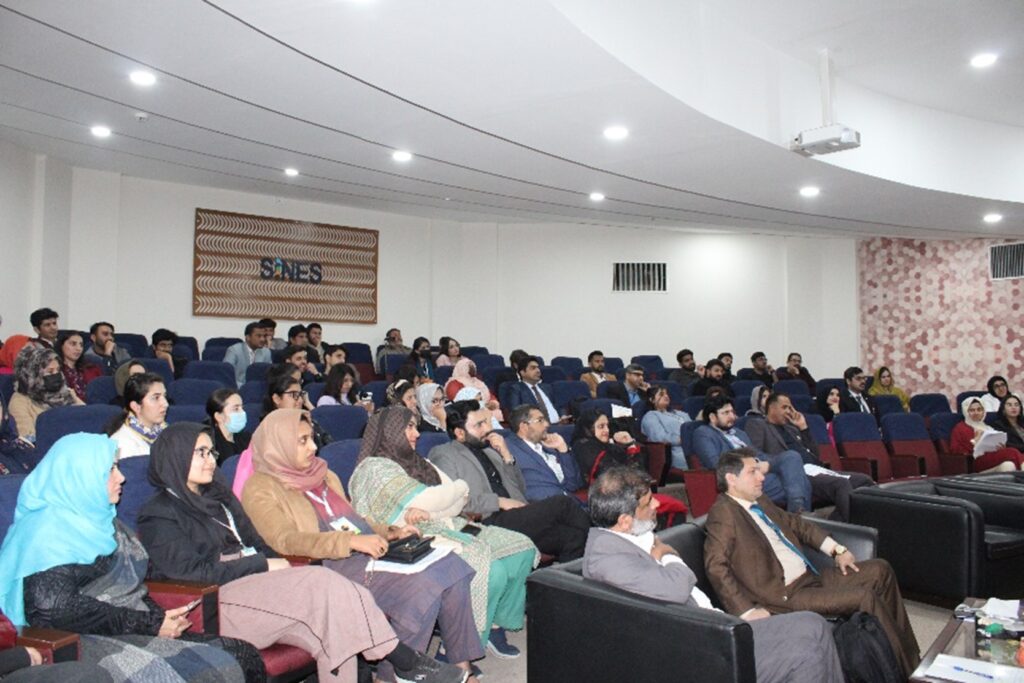
The conference concluded with a thought-provoking discussion on sustainable technologies and policy frameworks, chaired by Dr. Shakil Ahmad. The final plenary featured Dr. Ume Laila (School of Social Sciences & Humanities, NUST), Dr. Muhammad Khalique (MUST Business School, AJK), Prof. Muhammad Afzal (NIBGE), and Dr. Khalil Ahmad (Physics, Virtual University of Pakistan).
These plenary sessions underscored the urgency of climate action while fostering knowledge exchange, policy dialogues, and collaborative efforts to drive sustainable development forward. The conference reaffirmed its role as a catalyst for innovation, uniting global experts to tackle environmental challenges through science, policy, and technology.
Panel Discussion with Leading Industry Experts
The conference featured a dynamic panel discussion on topic “From Vulnerability to Resilience: Bridging Climate Finance Gaps for Sustainable Development in the Pakistan” bringing together esteemed industry experts. Moderated by Ms. Samitta Faique, the session explored key strategies for financing and implementing climate action.
Ms. Khalida Bashir, Joint Secretary, Climate Finance, Ministry of Climate Change and Environmental Coordination, outlined Pakistan’s climate finance strategy, stressing the importance of seamless coordination across federal, provincial, and local levels to ensure financial resources reach vulnerable communities. Mr. Muhammad Fawad Hayat, Senior Director, Recharge Pakistan at WWF-Pakistan, emphasized the integration of Nature-based Solutions (NbS) in adaptation strategies. He underscored the importance of a strong business case and cross-sector collaboration to unlock financing and address existing gaps.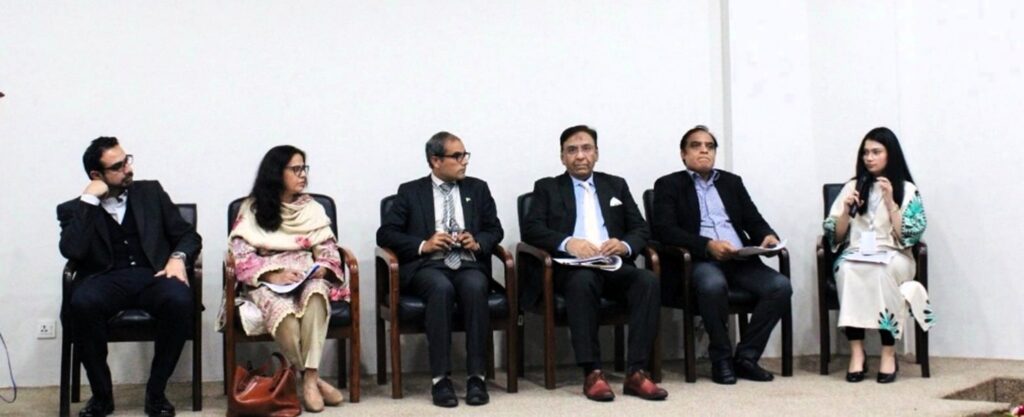
Dr. Hasan Orooj, Director General Health Services, CDA, presented alarming statistics on the impact of climate change on public health. He called for urgent policy reforms that prioritize health in climate action plans and stressed the need to strengthen healthcare systems to withstand climate-induced disasters.
Mr. Saeed Iqbal, Manager Technical Services at Fatima Fertilizer Company Limited, highlighted the role of public-private partnerships in promoting climate-smart agriculture. He urged the private sector, particularly agribusinesses, to support smallholder farmers in adopting sustainable agricultural practices. Dr. Saqib Nasir, Director (P&D), Pakistan Science Foundation, stressed the significance of bridging research and policy. He advocated for evidence-based solutions, strong proposal development, and effective knowledge-sharing to secure long-term funding for climate research.
The panel discussion reinforced that financing climate action the session highlighted the need for multi-sectoral collaboration, policy reforms, and innovative approaches to create tangible, on-the-ground impact.
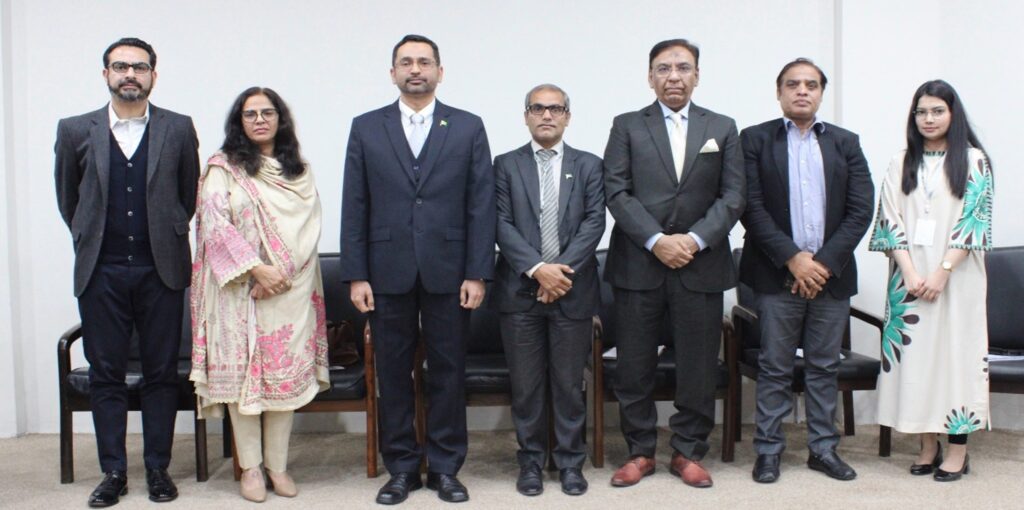
DSG Engages Pakistani Experts in Critical Discussion on Solar Geoengineering
The Alliance for Just Deliberation on Solar Geoengineering (DSG), a US-based nonprofit focused on climate justice and governance, brought together leading experts to discuss the role of solar geoengineering in the Global South at the 1st International Conference on Climate Change & Sustainable Development at NUST.
The panel, titled “Complicating Climate: SRM Research Exploration in the Global South – Pakistani Perspectives,” was moderated by Mr. Hassaan Sipra, DSG’s Director of Global Engagement, and featured distinguished speakers including Prof. Dr. Fahim Khokhar (NUST), Prof. Dr. Athar Hussain (COMSATS University), and Mr. Faraz Haider (Air University).
Discussions revolved around the growing climate risks faced by Pakistan, the lack of governance in solar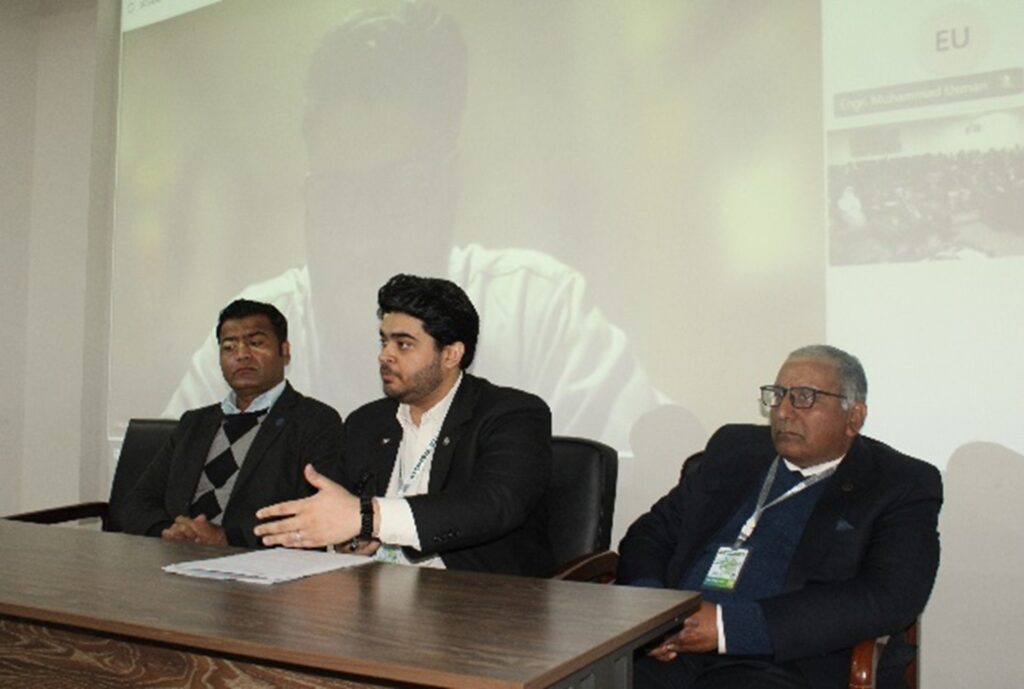 geoengineering research, and the need for inclusivity in climate policy decisions. Dr. Khokhar pointed out gaps in Pakistan’s climate science research and the lack of public engagement on the subject. Dr. Hussain highlighted the potential of climate modeling in assessing the risks and benefits of solar geoengineering, while Mr. Haider emphasized the importance of youth engagement in understanding emerging climate technologies and their governance challenges.
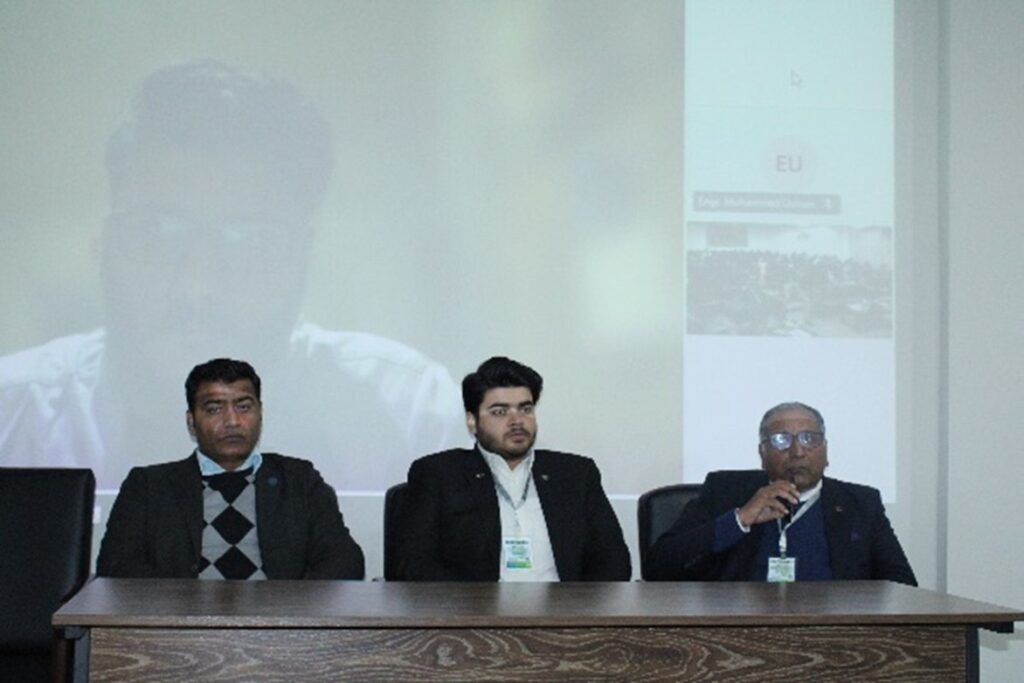 The panelists reaffirmed that reducing greenhouse gas emissions remains the most critical solution to climate change, but stressed the importance of continued research to ensure that developing countries have a voice in global decision-making on solar geoengineering.
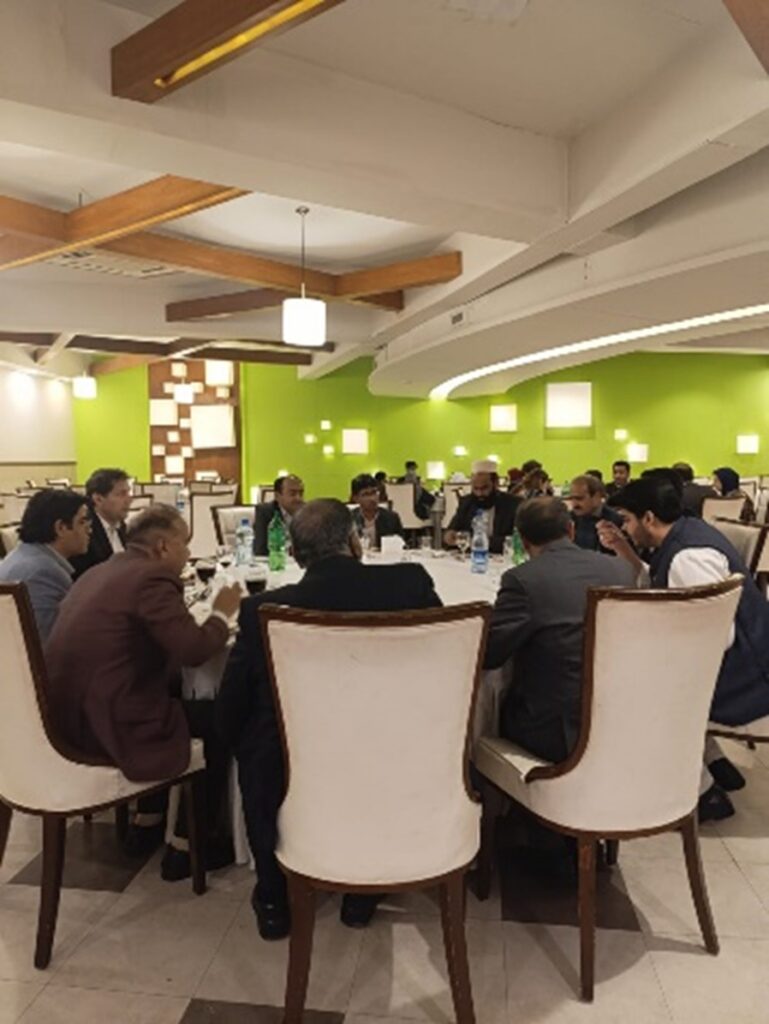 In a generous show of support for open discussions on climate solutions, DSG also sponsored the conference dinner, fostering further dialogue and collaboration among attendees. Their commitment to inclusive and informed climate discussions reflects the urgency of addressing climate challenges with a global justice perspective.
Parallel Sessions at ICCSD
The parallel sessions for oral and poster presentations, featuring a total of 56 oral presentations and 55 poster presentations spread across two days. The oral presentations were structured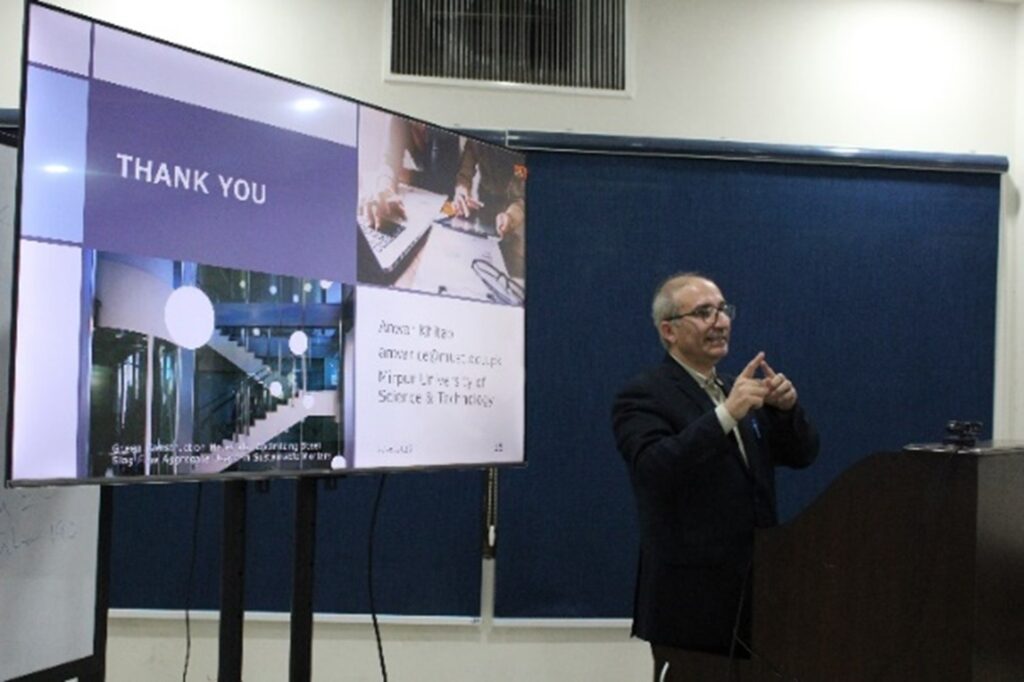 into multiple time slots, each focusing on specific themes related to climate change and sustainability. These presentations explored a wide range of topics, including the impact of climate change on infectious diseases, the development of sustainable energy solutions, the role of technological innovations in environmental conservation, and the evaluation of policies aimed at enhancing climate resilience.
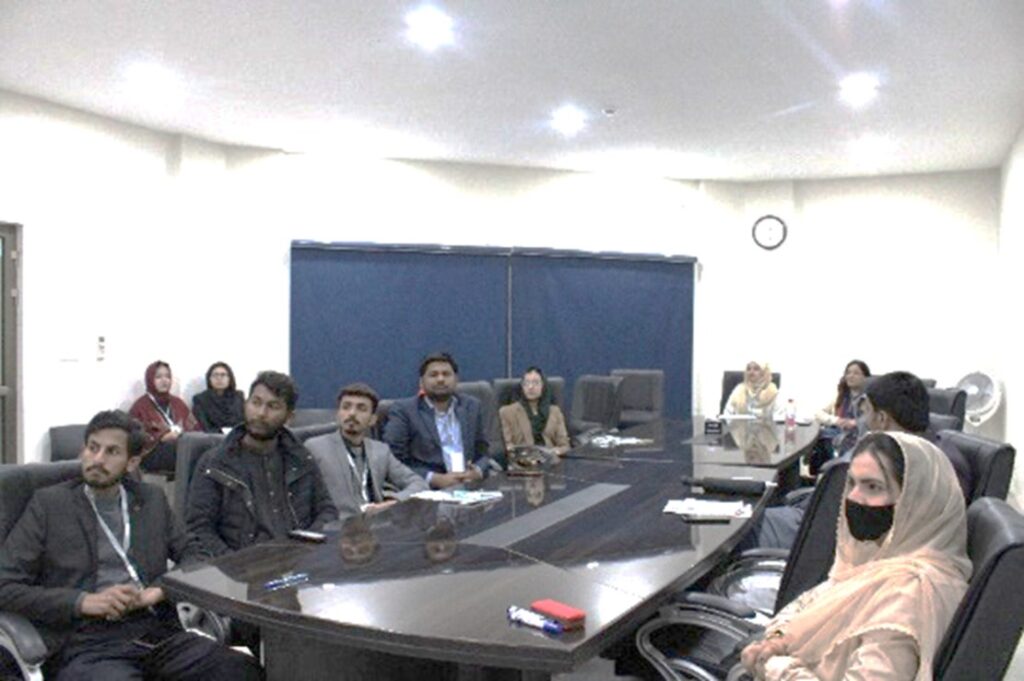 Researchers and experts presented their findings on transboundary air pollution, green construction materials, climate vulnerability assessments, and the use of smart technologies for environmental monitoring. The sessions also highlighted case studies and practical applications, such as the role of electric vehicles in reducing pollution and the use of advanced materials for water treatment.
On the other hand, the poster presentations provided a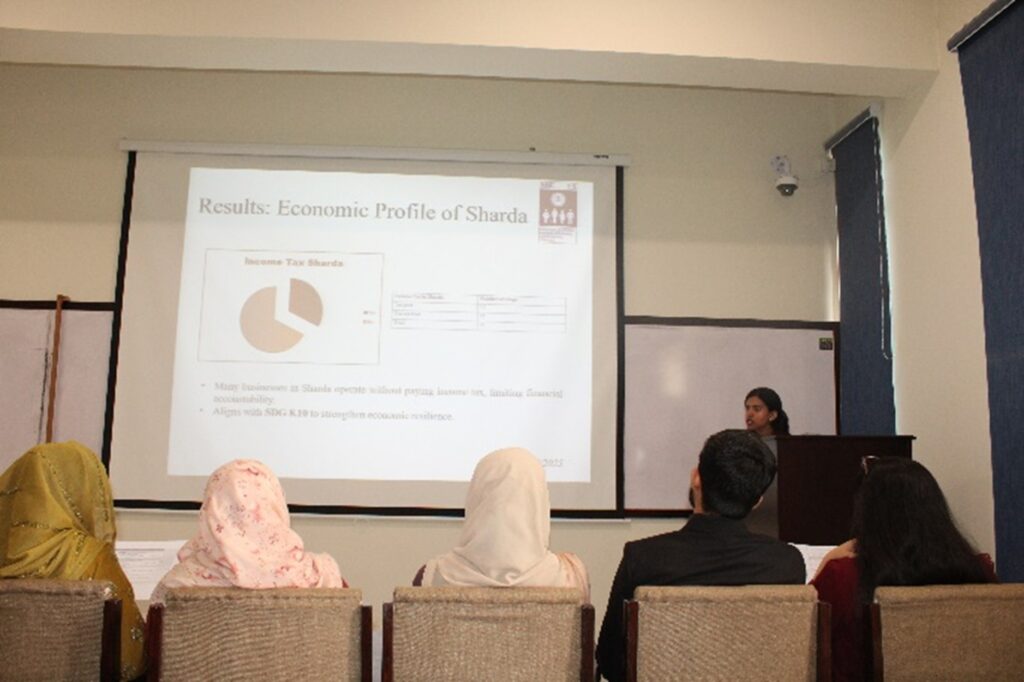 visual and interactive platform for showcasing research on climate adaptation strategies, sustainable agricultural practices, and the socio-economic impacts of climate change. Topics included the effects of climate variation on crop yields, the role of organic farming in improving soil health, and the challenges of climate change governance in Pakistan.
Researchers presented innovative approaches to mitigating drought stress, optimizing nitrogen fertilizer use, and promoting sustainable aviation practices. The posters also addressed issues such as the impact of smog on agriculture, the potential of rainwater harvesting for climate adaptation, and the role of climate-smart agriculture in enhancing food security.
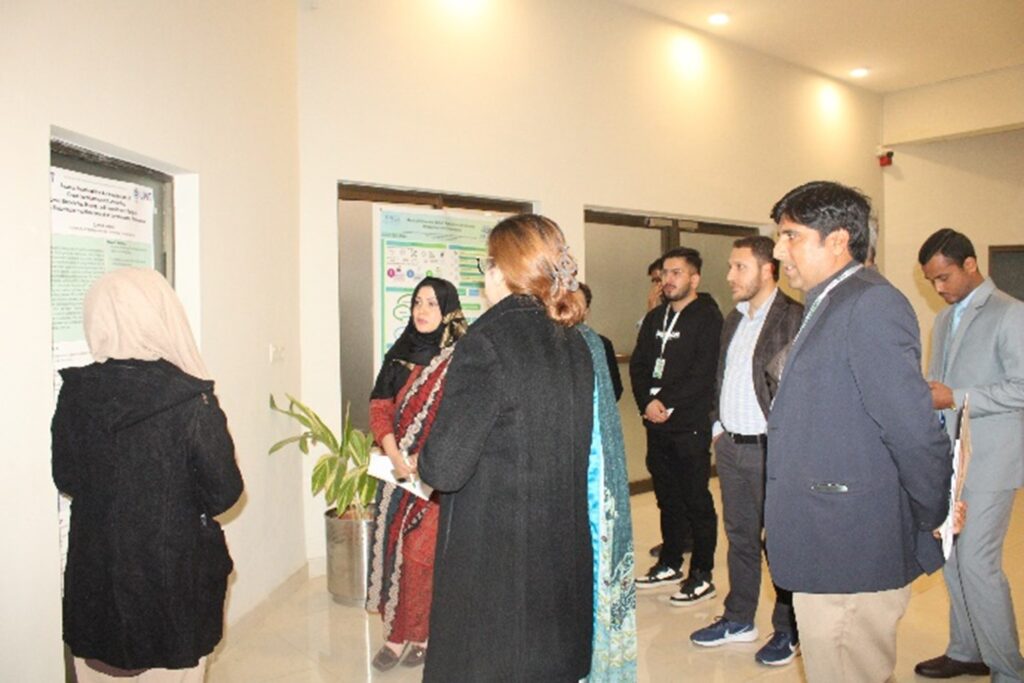 Both oral and poster sessions facilitated in-depth discussions and knowledge sharing, creating opportunities for collaboration among attendees. The parallel structure of the sessions allowed for a comprehensive exploration of critical issues, encouraging the exchange of innovative ideas and solutions to address global climate challenges. By bringing together diverse research findings, the conference underscored the importance of interdisciplinary approaches in advancing sustainable development goals and building resilience against the impacts of climate change.
Ending on a High Note: Closing Ceremony & Way Forward
The closing ceremony was honoured by the presence of Ms. Aisha Humera, Secretary, Ministry of Climate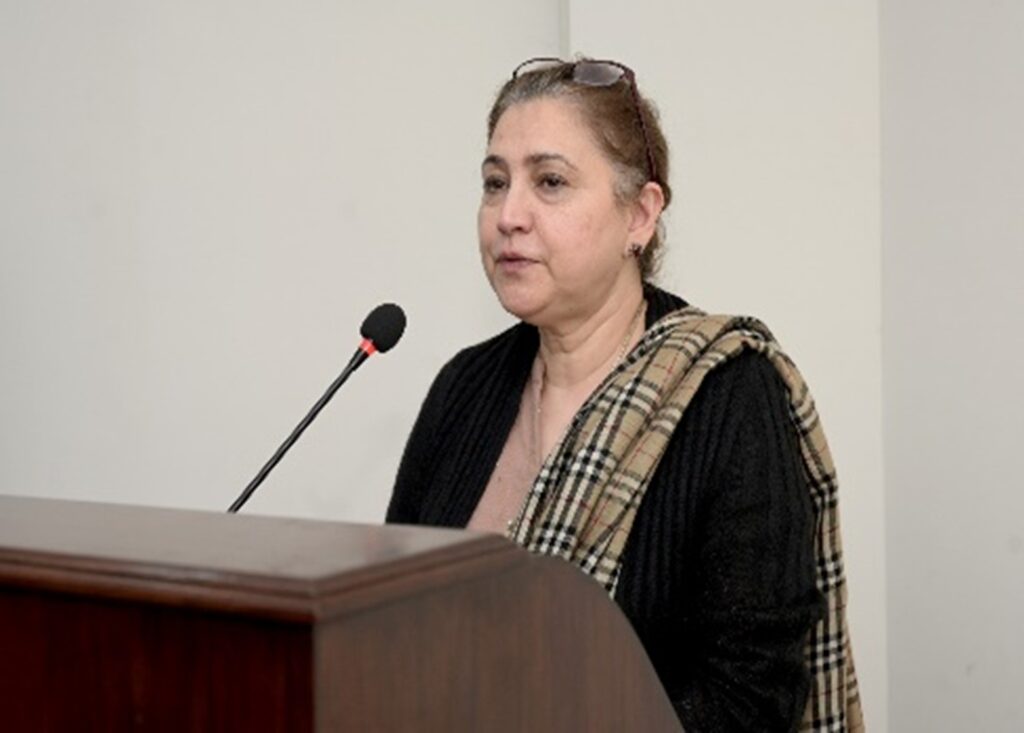 Change and Environmental Coordination, Government of Pakistan, as the esteemed chief guest. In her closing remarks, she emphasized the urgency of climate action, the importance of collaborative efforts and innovation, and the pivotal role of academia in driving meaningful change. She also acknowledged the exceptional efforts of the convener, organizers, speakers, panelists, and participants, noting the conference’s significant contribution to advancing sustainable solutions.
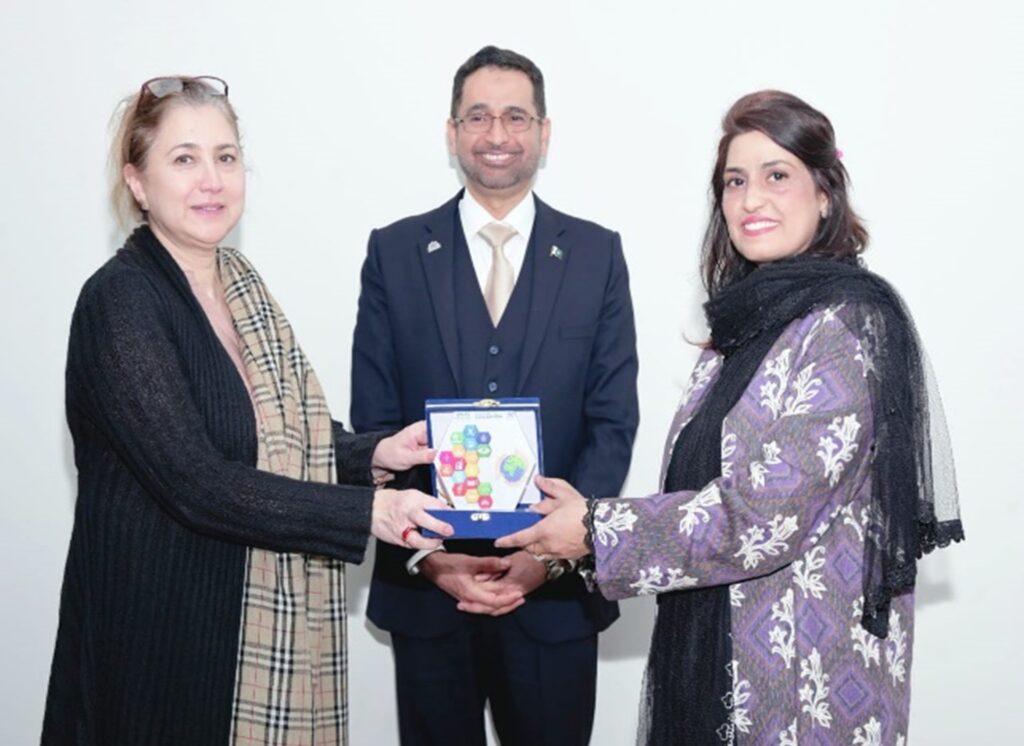 In a heartwarming conclusion to the event, honorable chief guest, session chairs and distinguished speakers were honored with commemorative shields for their contribution. Certificates were awarded to the staff members, organizing committee as well as to the winners of the poster competition, celebrating innovative climate solutions from the participants. The conference concluded on a high note, reinforcing the urgency of climate action and the power of collective efforts.
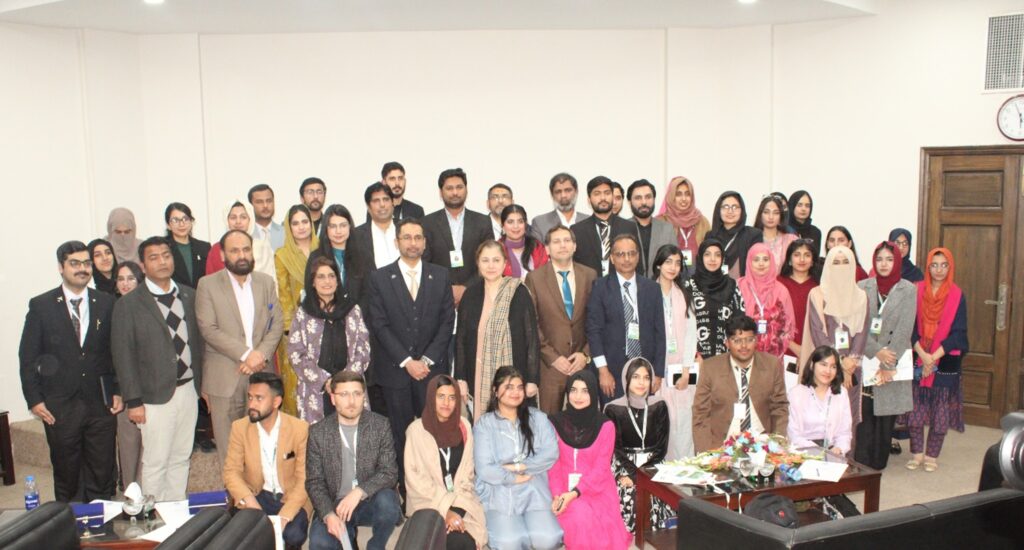
It provided a dynamic platform for knowledge exchange, policy discussions, and innovative solutions, uniting experts from diverse sectors. As participants depart with renewed commitment, the discussions and collaborations initiated here will serve as a catalyst for tangible action, driving progress toward a more sustainable, resilient, and equitable future.
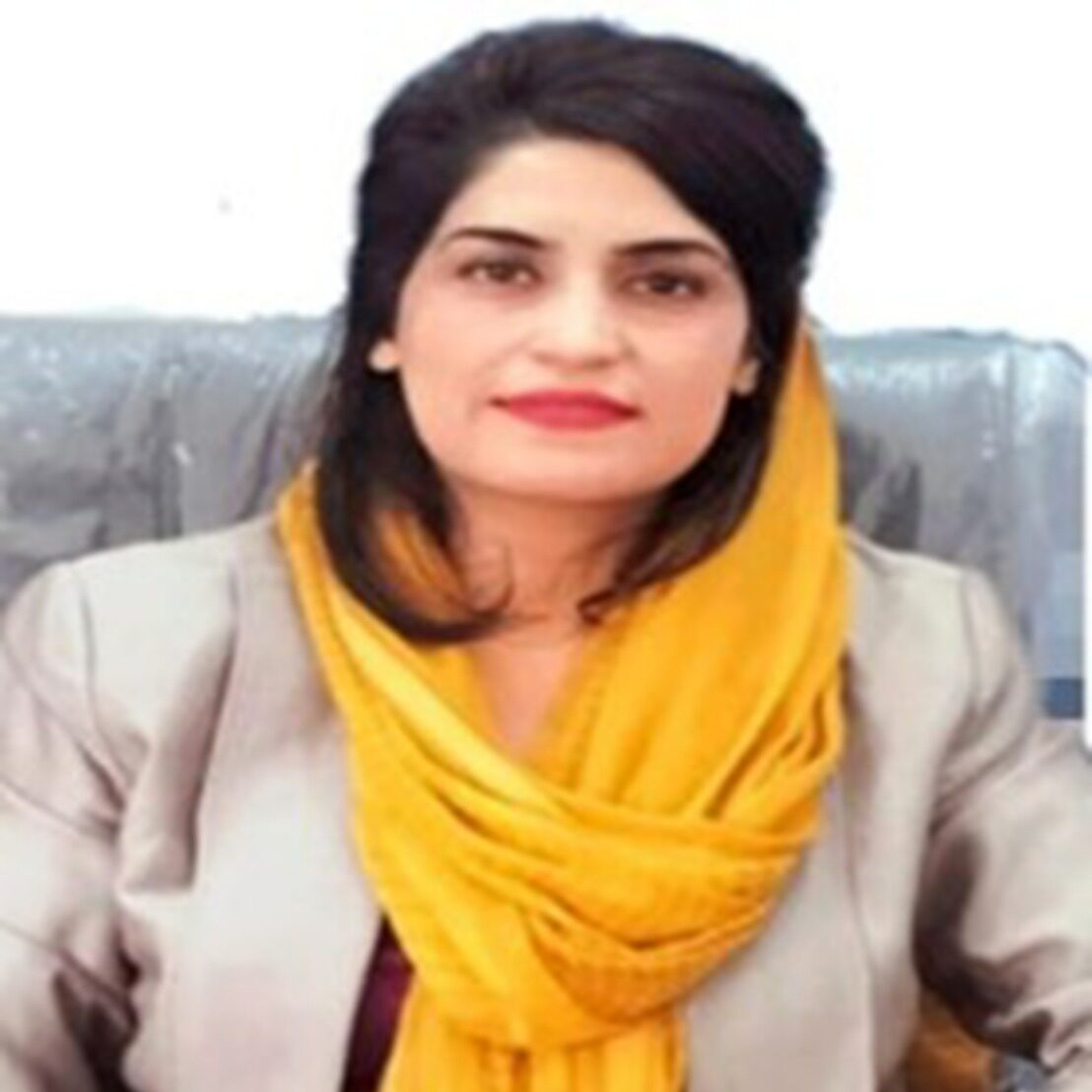
The author is a Professor, at School of Interdisciplinary Science and Engineering (SINES), National University of Sciences and Technology (NUST), Islamabad. She can be reached at [email protected].