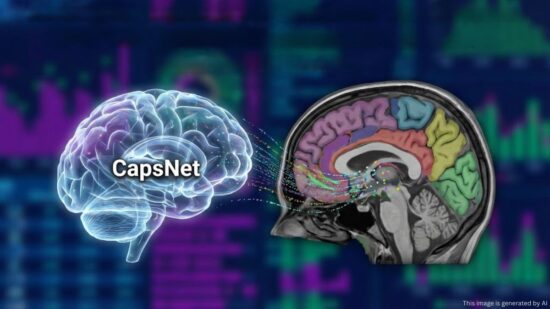
Leveraging CapsNet for enhanced classification of 3D MRI images for Alzheimer’s diagnosis

Alzheimer’s disease is one of the most challenging brain disorders of our time. It slowly damages memory, thinking, and daily functioning, often going unnoticed in its early stages. By the time symptoms become obvious, the disease has already caused significant and irreversible damage. This is why early detection is so important—and so difficult. Researchers from…

Loading

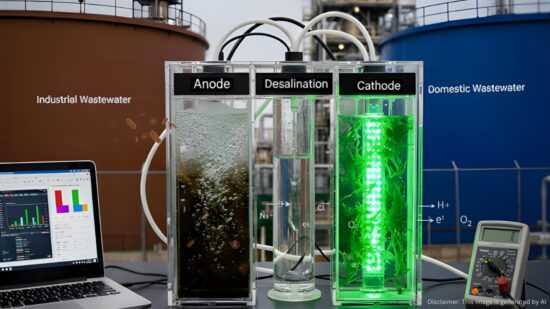
Turning Waste into Power: How Microbes Can Clean Water and Generate Energy

Have you ever imagined a system that can treat wastewater, remove salt from seawater, and generate electricity all at the same time? It may sound like something out of science fiction, but scientists are making it a reality. One fascinating innovation that combines biology, chemistry, and renewable energy is the Photosynthetic Microbial Desalination Cell (PMDC)….

Loading

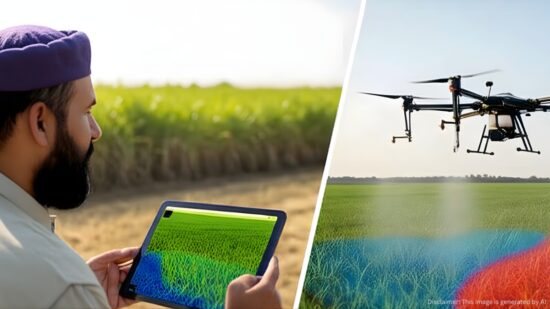
Design and Development of Smart Spraying System for Agricultural Drones

Introduction The escalating global population necessitates a substantial increase in food production, projected at 70% by 2050, to ensure food security. This objective is challenged by diminishing natural resources, climate change, and excessive pesticide use, which poses health and environmental hazards. In response, precision agriculture technologies, such as unmanned aerial vehicles (UAVs) for smart spraying,…

Loading

Flexible Carbon Paper-Based Sensor Brings a Sustainable Edge to Human-Machine Interfaces

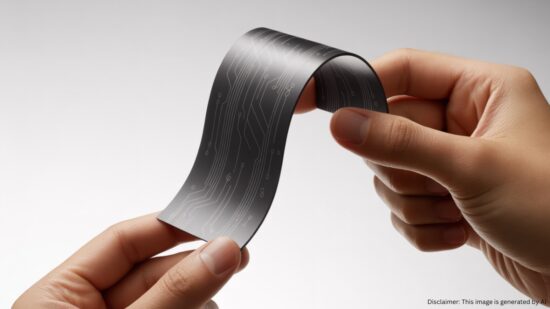
In an age where digital and physical worlds increasingly converge, Human-Machine Interfaces (HMIs) are becoming central to everyday life—from healthcare and smart homes to wearable technology and robotics. A recent innovation led by researchers from Jeju National University (JNU), South Korea, and National University of Sciences and Technology (NUST), Pakistan, presents a transformative step in…

Loading

PEEOS: Phenology Estimation of Rice and Wheat in Pakistan using Earth Observation Satellite Imagery

Introduction Agriculture is the backbone of Pakistan’s economy, with rice and wheat feeding millions and driving rural livelihoods. Yet, farmers and other relevant stakeholders (policymakers, crop breeders, researchers) alike face a common challenge: knowing the right time to sow, irrigate, and harvest crops. Traditionally, this knowledge has been based on experience and local weather patterns….

Loading