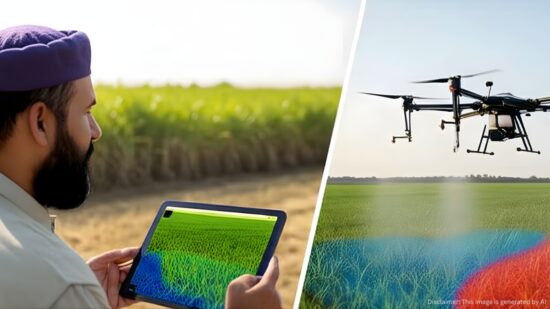
Design and Development of Smart Spraying System for Agricultural Drones

Introduction The escalating global population necessitates a substantial increase in food production, projected at 70% by 2050, to ensure food security. This objective is challenged by diminishing natural resources, climate change, and excessive pesticide use, which poses health and environmental hazards. In response, precision agriculture technologies, such as unmanned aerial vehicles (UAVs) for smart spraying,…

Loading

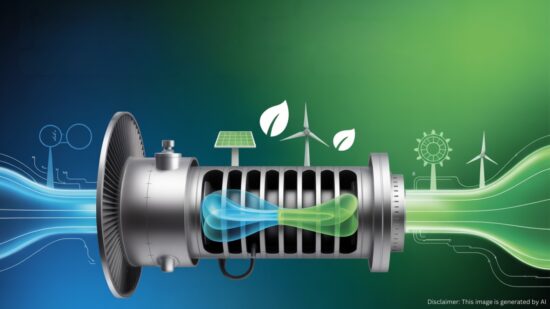
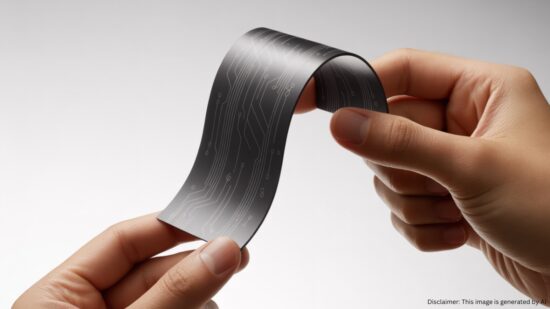
Flexible Carbon Paper-Based Sensor Brings a Sustainable Edge to Human-Machine Interfaces

In an age where digital and physical worlds increasingly converge, Human-Machine Interfaces (HMIs) are becoming central to everyday life—from healthcare and smart homes to wearable technology and robotics. A recent innovation led by researchers from Jeju National University (JNU), South Korea, and National University of Sciences and Technology (NUST), Pakistan, presents a transformative step in…

Loading

PEEOS: Phenology Estimation of Rice and Wheat in Pakistan using Earth Observation Satellite Imagery

Introduction Agriculture is the backbone of Pakistan’s economy, with rice and wheat feeding millions and driving rural livelihoods. Yet, farmers and other relevant stakeholders (policymakers, crop breeders, researchers) alike face a common challenge: knowing the right time to sow, irrigate, and harvest crops. Traditionally, this knowledge has been based on experience and local weather patterns….

Loading

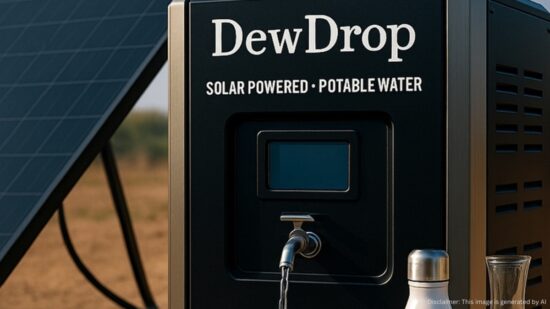
Atmospheric Water Generators: A Solar-Powered Solution to Water Scarcity

Access to safe drinking water remains one of the most pressing global challenges of the 21st century. Traditional sources are becoming increasingly unreliable due to climate change, rapid population growth, pollution, and unsustainable extraction practices. In response, researchers are advancing sustainable technologies like Atmospheric Water Generators (AWGs) devices that harvest potable water directly from moisture…

Loading

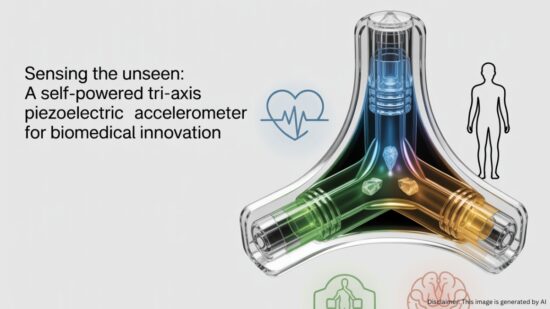
Sensing the Unseen: A Self-Powered Tri-Axis Piezoelectric Accelerometer for Biomedical Innovation

Imagine a world where surgical tools could “feel” the pressure they apply or where wearable devices could monitor movement with surgical precision without needing a power source. At the Department of Mechatronics Engineering, NUST College of EME, Dr. Hassan Elahi and his research team have made a major leap toward this future. Their latest innovation,…

Loading