


Background
Dengue is a major public health problem in many tropical and subtropical regions including the capital of Pakistan. In recent times the need for robust and active dengue surveillance system has become more pressing. Such system is not only for early outbreak detection but also for monitoring circulating dengue serotypes and quantifying the disease burden. This is the backdrop for a exciting development: AI can predict dengue PCR results using machine learning (ML) models which can change the way healthcare providers anticipate infections and respond quickly.
Research Gap
Traditional dengue detection methods like ELISA and RT-PCR although effective face several challenges in real world clinical settings. These diagnostic tests require specialized laboratory equipment, trained personnel and time to produce results. In resource limited areas where dengue is endemic, these requirements create bottlenecks in the diagnostic process, delaying critical treatment decisions.
Both ELISA and RT-PCR tests have limitations in their sensitivity and specificity at different stages of infection. This can lead to false negatives or positives which further complicates timely BY ARTIFICIAL INTELLIGENCE and accurate diagnosis, especially during dengue outbreaks when laboratory systems are overwhelmed with high sample volume.
Healthcare professionals and lab technicians struggling with dengue diagnosis delays can now use machine learning for quicker and more accurate test predictions. This technology analyzes patient clinical and demographic data to predict ELISA and RT-PCR results before traditional testing is complete. Various parameters of artificial intelligence have been explored in dengue detection in this study. It presents the accuracy of the best machine learning model to examine real world implementation challenges in clinical settings and see how this technology can save lives in dengue endemic areas.
AI can screen suspected individuals of Dengue using a complete blood count (CBC), a common blood test. It is performed in laboratories with automated machines that can analyze blood samples quickly, often within a few hours. It’s also cheaper compared to more specialized or invasive tests like ELISA and RT-PCR.
Collaborators and Authors
This project was conducted by a research team from the Atta-ur-Rahman School of Applied Biosciences (ASAB), National University of Sciences and Technology (NUST), in collaboration with the Institute of Biomedical and Genetic Engineering (IBGE), Islamabad, Pakistan. The study was supervised by Dr. Sobia Manzoor from ASAB, NUST. Clinical collaboration was provided by Dr. Asraf Hussain from IBGE, Hasnain Javed and Anam Zafar, while Dr. Javed Ashraf from the Department of Community Dentistry at Riphah International University served as the machine learning analyst. The team also included MS student Ms. Ariba Qaiser, who contributed to both laboratory work and study design.
Study Design
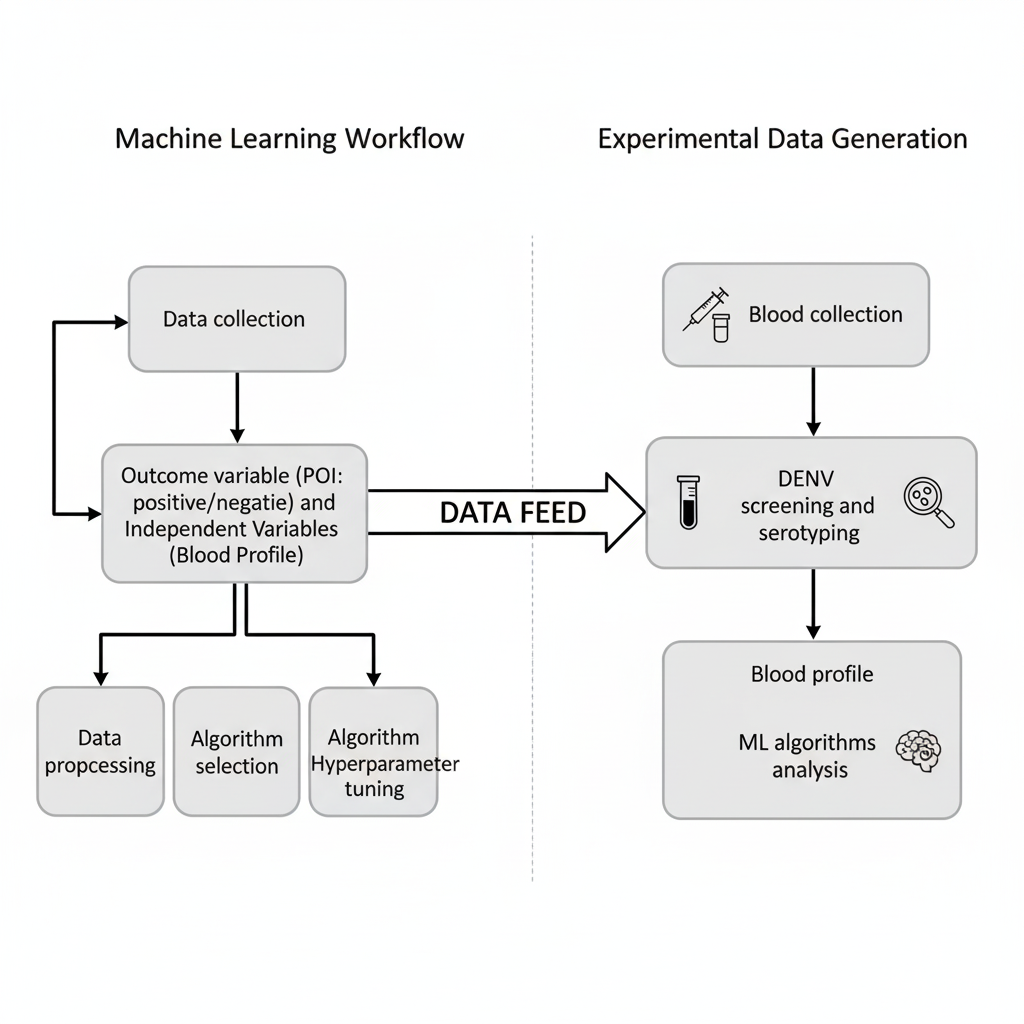
The study involved data analysis of 300 suspected dengue patients in Islamabad and Rawalpindi, Pakistan, collected between August and October 2023. Patients underwent NS1 antigen ELISA, IgM and IgG antibody testing, and serotype-specific real-time RT-PCR to detect the dengue virus. The PCR-positive samples were further confirmed and serotyped through Sanger sequencing, revealing the circulation of three dengue serotypes. Demographic details e.g., age and gender and DENV-specific blood profile summary, having platelets (PLTs), white blood cells (WBCs) and HCT (hematocrit) were also documented.
The researchers used demographic data, serological test results and hematological parameters as inputs to various ML models with the output as dengue PCR result. The models tested were logistic regression, XGBoost, LightGBM, random forest, support vector machine (SVM) and CatBoost.
Results and Conclusion
Among the other ML models evaluated, the Support Vector Machine (SVM) with radial basis function (RBF) kernel was the best performing algorithm for dengue PCR prediction. It achieved an accuracy of 71.4%, an impressive recall of 97.4%, and precision of 71.6%. After hyperparameter tuning, the recall reached a perfect 100%, meaning the model identified all true positive dengue cases in the dataset.
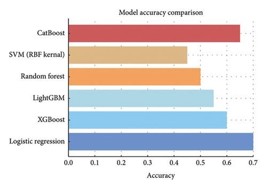
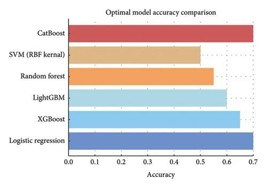
This is consistent with other published data highlighting the importance of SVM in medical
diagnostics.
Machine learning models especially SVM have proven to be powerful tools for predicting dengue diagnosis results with speed and accuracy. By analyzing patient data in no time these algorithms offer an alternative to traditional ELISA and RT-PCR testing methods and can save precious time in dengue management. Implementing these models into healthcare systems has challenges but the benefits are huge. As we move forward with these technologies we need to address the practical limitations like smaller sample size and fewer number of studies. The future of dengue management lies in this combination of traditional diagnostic expertise and modern predictive analytics.
Reference
Qaiser A, Manzoor S, Hashmi AH, Javed H, Zafar A, Ashraf J. Support Vector Machine Outperforms Other Machine Learning Models in Early Diagnosis of Dengue Using Routine Clinical Data. Adv Virol. 2024 Oct 14;2024:5588127. doi: 10.1155/2024/5588127. PMID: 39435048; PMCID: PMC11493476.
The author is an Tenured Professor at Atta-ur-Rahman School of Applied Biosciences (ASAB), National University of Sciences and Technology (NUST). She can be reached at [email protected].
Research Profile: https://bit.ly/3JVaL6F