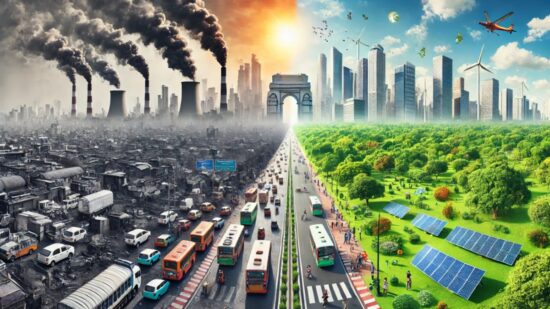
Breaking Down Smog: Innovative Filtration for Cleaner Cities

Introduction With rapid urbanization and industrial growth, air pollution has become a major environmental crisis, posing severe threats to human health and ecological balance. Among the most concerning forms of pollution is smog, a dense atmospheric layer primarily composed of particulate matter (PM) and sources of secondary PM like sulfur oxides (SOₓ), nitrogen oxides (NOₓ),…

Loading

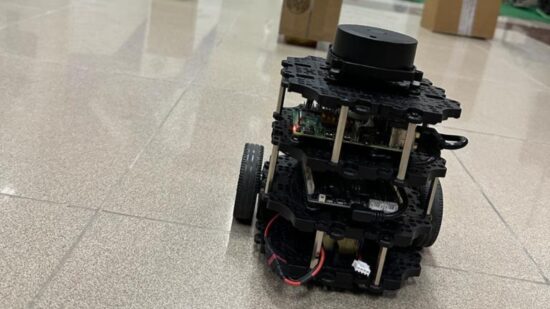
Hybrid Control Paradigm for Immersive VR Teleoperation

The rapid advancement of immersive virtual reality (VR) technologies has opened unprecedented possibilities for enhancing remote collaboration and teleoperation tasks, enabling users to experience realistic telepresence in distant or hazardous environments. However, achieving effective and intuitive control in VR-based telepresence systems remains challenging, often hindered by factors such as latency, limited situational awareness, and inadequate…

Loading

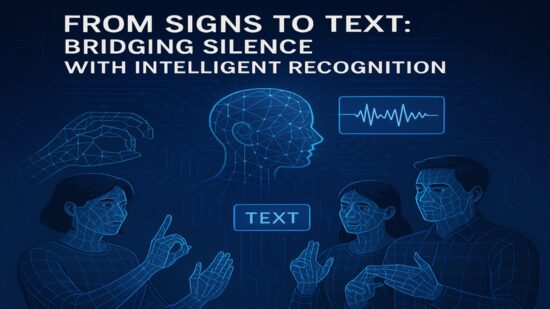
From Signs to Text: Bridging Silence with Intelligent Recognition

According to the World Health Organization, over 5% of the global population—an estimated 430 million people—live with hearing or speech impairments. Among them, more than 70 million individuals rely on approximately 300 distinct variants of sign languages as their primary means of communication, as reported by the World Federation of the Deaf. Sign languages are…

Loading

TRANSFORMING SOCIETIES WITH ETHICAL AI: GLOBAL PERSPECTIVE AND LESSONS FOR PAKISTAN

Artificial intelligence (AI) is a monumental force at the frontier of the Fourth Industrial Revolution, transforming industries and reshaping societies globally. As nations worldwide channel vast investments into this groundbreaking technology, ethically developing and implementing AI becomes imperative, ensuring its immense benefits are fully realised while minimising potential risks. For Pakistan, embracing and tailoring insights…

Loading

Revolutionizing Medical Education, Inculcating Cooperative Learning through the Jigsaw Technique

Ever since the turn of the century, every field has evolved rapidly, and the field of medicine has been no exception. It has evolved from traditional, generic based techniques of the past to modern, evidence-based practices. The complex and ever-changing challenges of our time—such as the rise of communicable and non-communicable diseases and the growing…

Loading