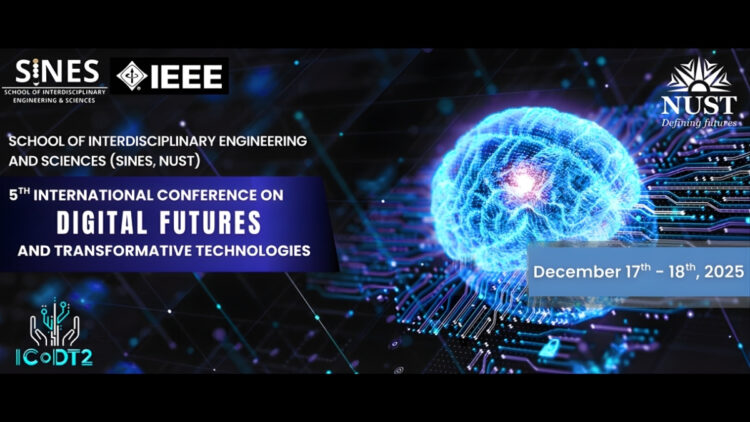
The School of Interdisciplinary Engineering and Sciences (SINES) at the National University of Sciences and Technology (NUST), in collaboration with IEEE and Microsoft, successfully organized the 5th International Conference on Digital Futures and Transformative Technologies (IcoDT2) on December 17–18, 2025. The two-day multidisciplinary event brought together leading international and national researchers, industry experts, innovators, and academics to explore groundbreaking developments shaping the digital and technological landscape of tomorrow.
With rapid technological advancement redefining global systems, the conference served as a premier forum for showcasing cutting-edge research and fostering meaningful collaboration across diverse scientific and engineering domains. This year’s conference embraced an expansive and forward-looking theme, featuring key tracks such as Digital Futures and Smart Systems, Artificial Intelligence and Machine Learning, Advances in Chemical and Materials Innovation, Biomedical Engineering, Big Data and Cloud Computing, Innovative Technologies for Sustainability and Climate Resilience, and Human–Computer Interaction.
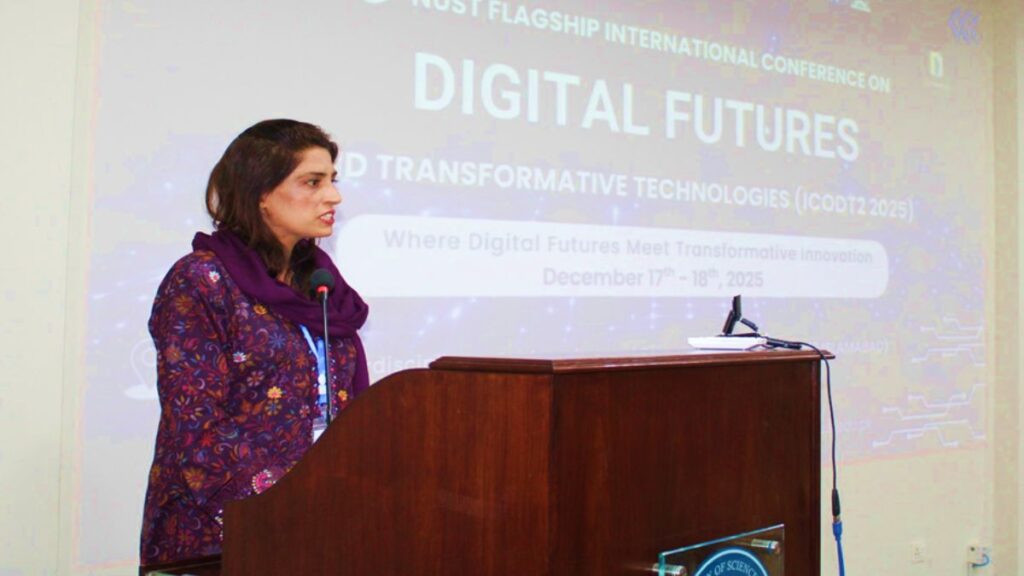
The opening ceremony commenced with remarks by Conference Chair Prof. Dr. Fouzia Perveen Malik, highlighting that through the conference platform, ICoDT2 received an overwhelming number of submissions this year which included 195 full length research articles from USA, Sri Lanka, China, Malaysia, Indonesia, Canada, UK, India, and Pakistan reflecting the enthusiasm and commitment of our research community. After rigorous peer review, only the most impactful papers were selected for presentation and publication under IEEE Xplore. The two day Conference featured:
- High-quality technical sessions
- Insightful keynote talks of international and national experts from UK, Ireland, Greece, Germany, Malaysia and Pakistan
- Panel discussions on the future of AI and transformative technologies
- Poster presentations by young researchers
- Networking opportunities connecting academia, industry, and innovators
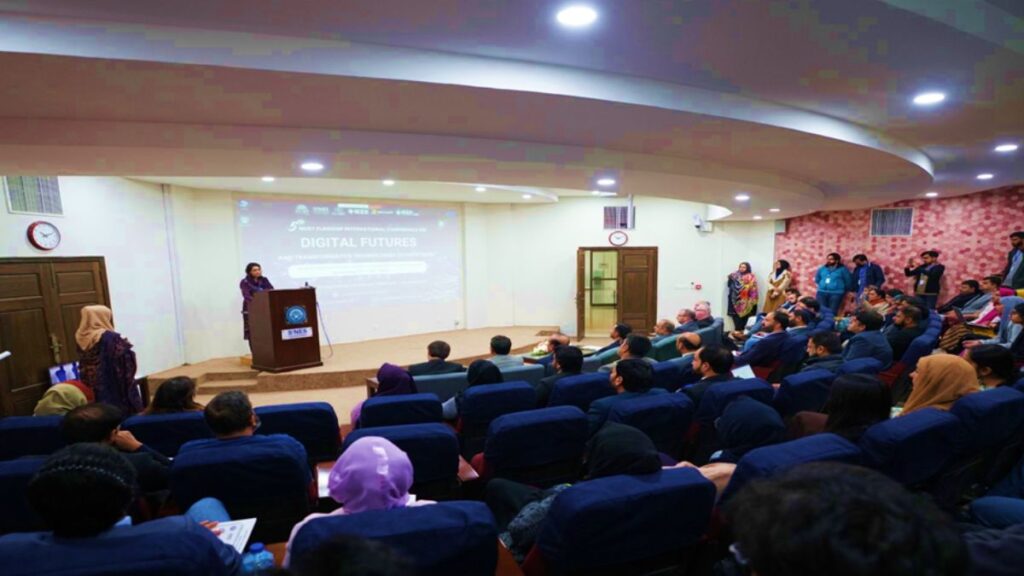
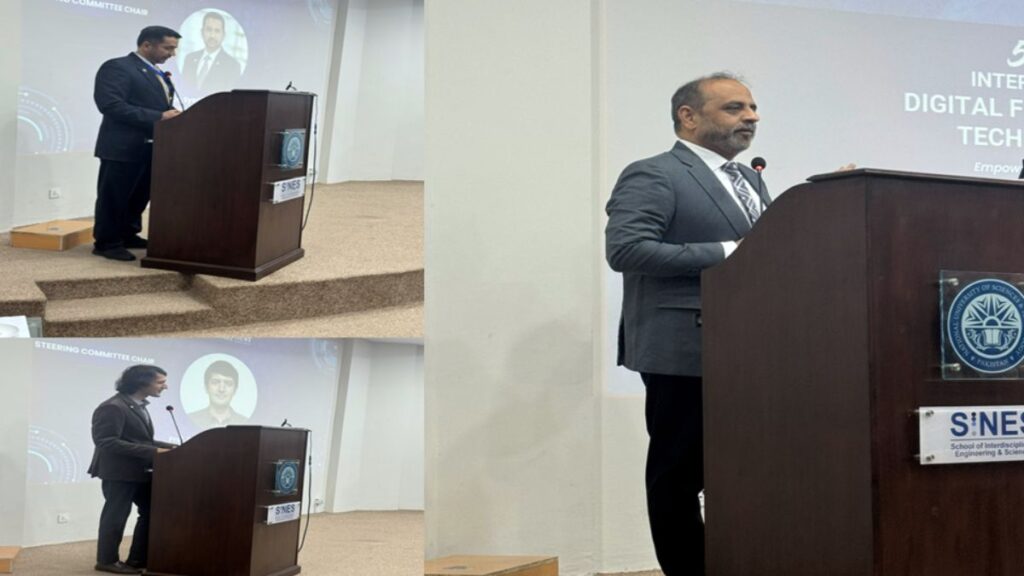
She also emphasized the collaborative spirit and academic value of the event. Following her opening, she invited Prof. Dr. Syed Irtiza Ali Shah, Principal & Dean SINES, Steering Committee Chair ICoDT2, for formal opening of the conference. He highlighted the transformative role of emerging technologies, particularly LLMs, and the influence of social media on modern communication. He expressed optimism about the conference’s outcomes and its potential to drive impactful research and innovation.
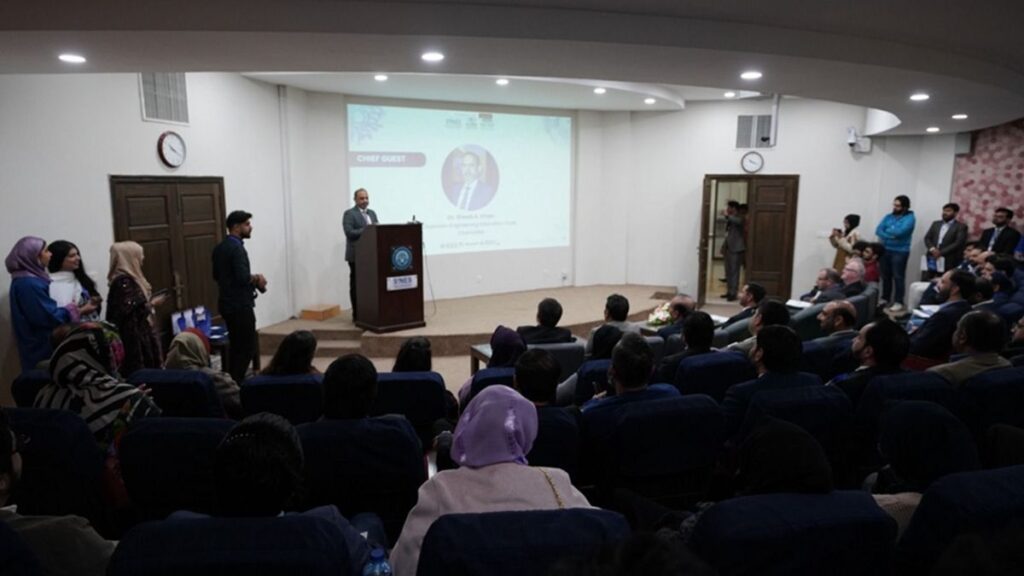
The conference was graced by Prof. Dr. Shoab A. Khan, Chancellor of Sir Syed CASE Institute of Technology as Chief Guest. Prof Dr. Shoab A. Khan spoke about the pattern across recent academic events i.e., each theme connects the technology stack (AI, LLMs, agentic AI, smart systems) with its real-world applications. Drawing examples from ASSOCIO Taipei, HONET GIKI, FIT COMSATS and ICoDT2, he stressed that technology alone is not enough — its value lies in meaningful societal impact. Citing an Iqbal couplet, he concluded that technology should act as a lamp guiding the path, not the destination. He appreciated the participation of international faculty and organizers, calling it a vibrant academic December.
In the final segment, Conference Co-Chair, IEEE President Prof. Dr. Nosherwan Shoaib. He shed light on IEEE’s global mission, its operational strategies, and the growing involvement of young professionals. He shared his personal journey from being a student attendee to IEEE President, representing Pakistan internationally. He concluded by reaffirming IEEE’s commitment to the responsible use of digital technologies for societal benefit. The conference was also honored by participation of Director Research Dr. Muhammad Junaid Khan.
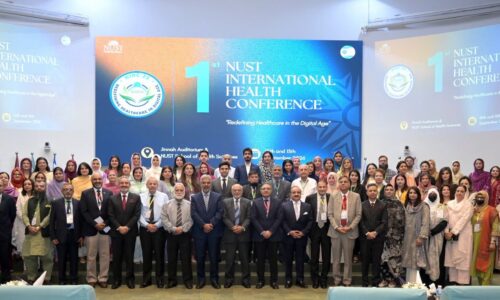
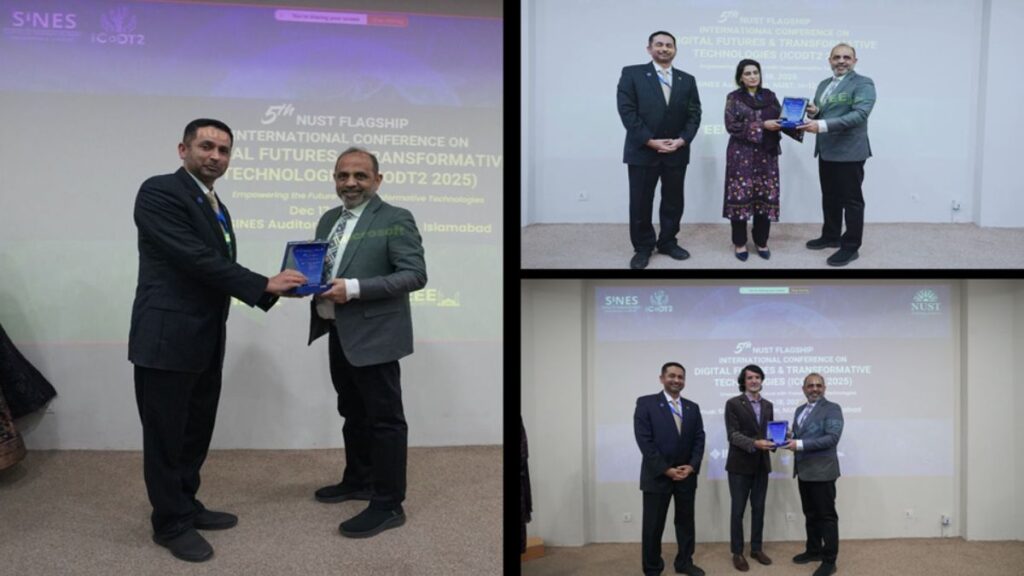
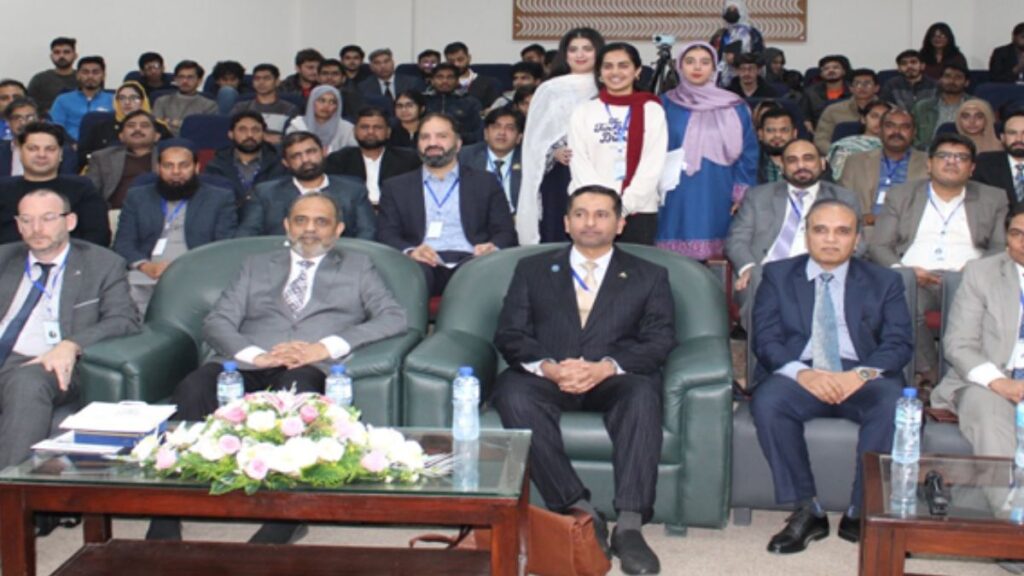
The opening ceremony was concluded with distributions of shields to chief guest, conference chair and conference co-chair followed by group photos of participants with Chief Guest, Steering Committee and Conference Chair.
Plenary Sessions Highlight Innovations and Collaborative Solution
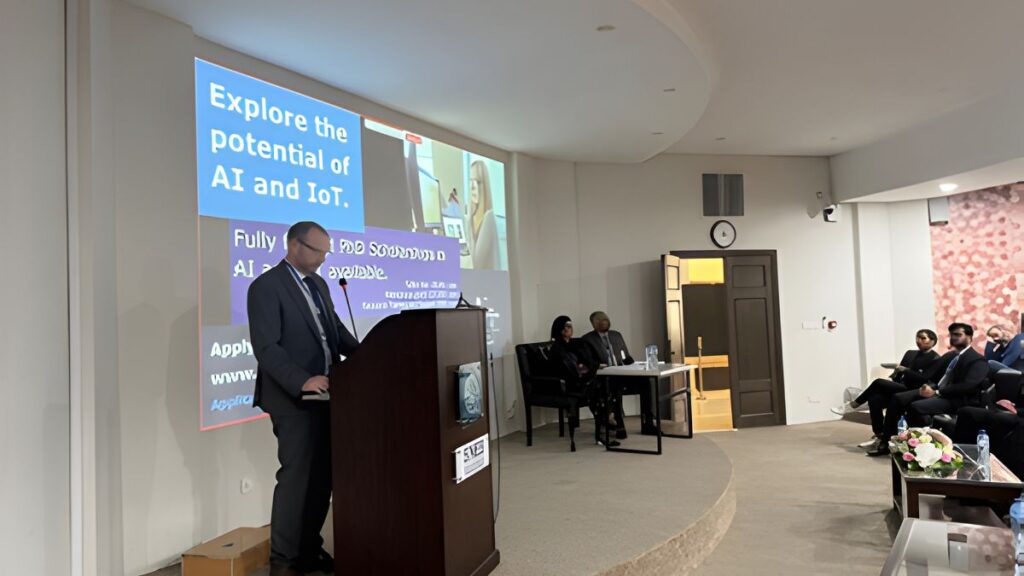
The Plenary session was chaired by Prof. Dr. Fouzia Parveen Malik and Dr. Usman Shahid, featuring international speakers on AI and the Internet of Things (IoT). Prof. Dr. Andrew Ware (University of South Wales, UK) discussed practical AI applications for real-world challenges, Prof. Dr. Chris Nugent (Ulster University, Ireland) focused on AI in smart environments and healthcare systems, and Prof. Dr. Yulei Wu (University of Bristol, UK) highlighted emerging trends shaping future digital ecosystems.
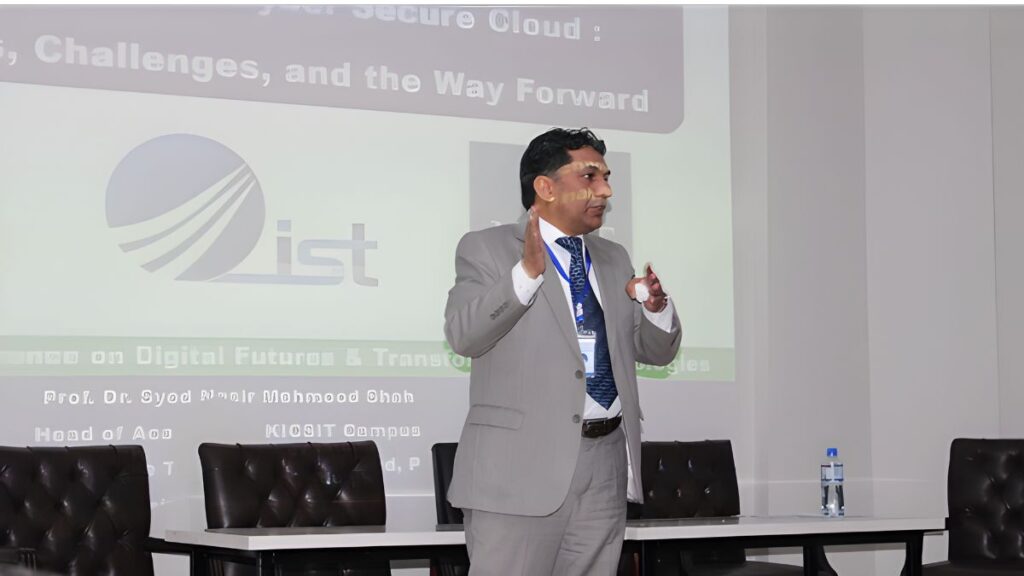
First invited speaker session was chaired by Prof. Dr. M. Ashraf Tanoli and Prof. Dr. Mian Ilyas. This session featured Prof. Dr. Naeem Ramzan (University of the West of Scotland), Dr. Faisal Shafait (SEECs, NUST), and Prof. Dr. Nasir Mehmood (Institute of Space Technology), emphasizing innovation, interdisciplinary collaboration, and digital solutions for sustainable systems.
The second invited speaker session, chaired by Prof. Dr. M. Hanif and Dr. Usman Shahid, included Dr. Rodrigo Q. de Albuquerque (University of Bayreuth, Germany), Dr. M. Farrukh Shahid from NUCES, Karachi and, emphasized advanced technologies, practical implementations, and global research opportunities. With this, the invited speaker session was closed for day-1.
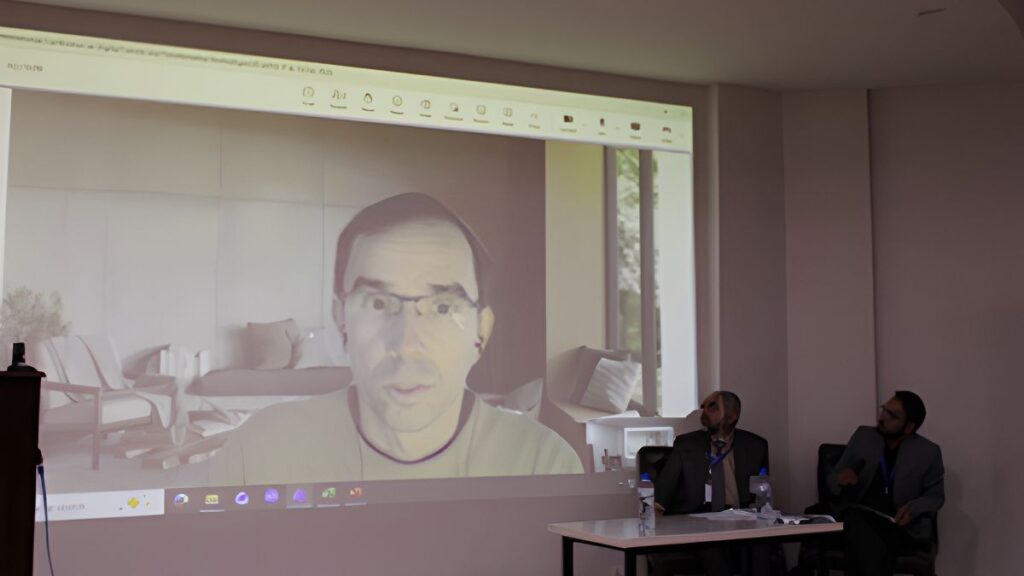
The day-2 of ICoDT2 was started with th third invited speaker session, chaired by Prof. Dr. Zartasha Mustansar featured Assoc. Prof. Dr. M. Omair Shafiq (Carleton University, Canada), Dr. Irfan Ul Haq (PIEAS, Pakistan), and Dr. Ibrahim Ghaznavi (Information Technology University, Lahore), and Dr. Hammad Majeed from University of Sialkot presenting recent technological advancements in their fields. The fourth keynote session, chaired by Dr. Usman Shahid and Dr. Azhar Imran, included Prof. Dr. Spyros Yannopoulos (University of Patras, Greece), Dr. Suleman Shahid (Lahore), and Dr. Muazzam Arsalan Bhatti (EdTech, Islamabad), focusing on innovative research approaches and practical implications.
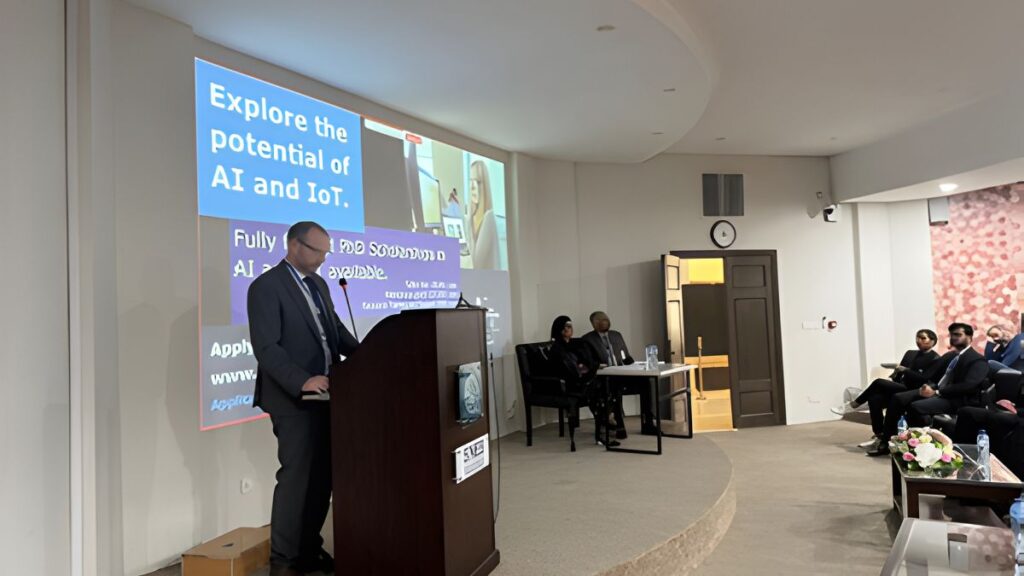
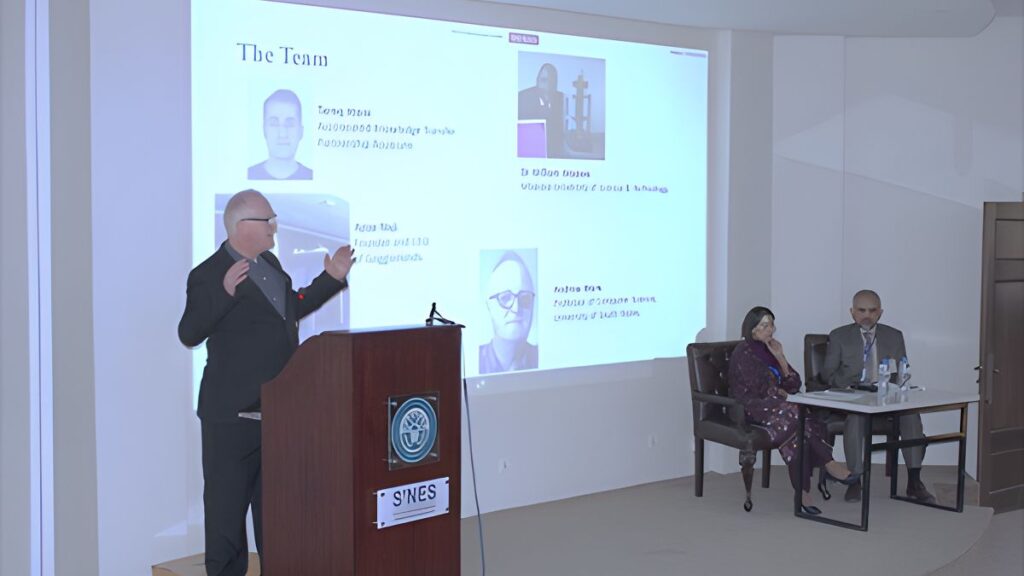
The final keynote session, chaired by Dr. Nazia Perwaiz and Dr. Fouzia Malik, featured Dr. Khurram Joya (International University of Madinah), Dr. Nadia Kanwal (Keele University, UK), Dr. Navid Ali Khan (Taylor’s University, Malaysia), and Dr. Moiz Bhatti (Environmental Productivity Organization, Pakistan), highlighting interdisciplinary innovations and future-ready technologies.
Overall, all keynote sessions fostered knowledge exchange, interdisciplinary collaboration, and practical insights into AI, IoT, and transformative technologies, creating an inspiring platform for future research and innovation.
Panel Discussion with Leading Industry Experts
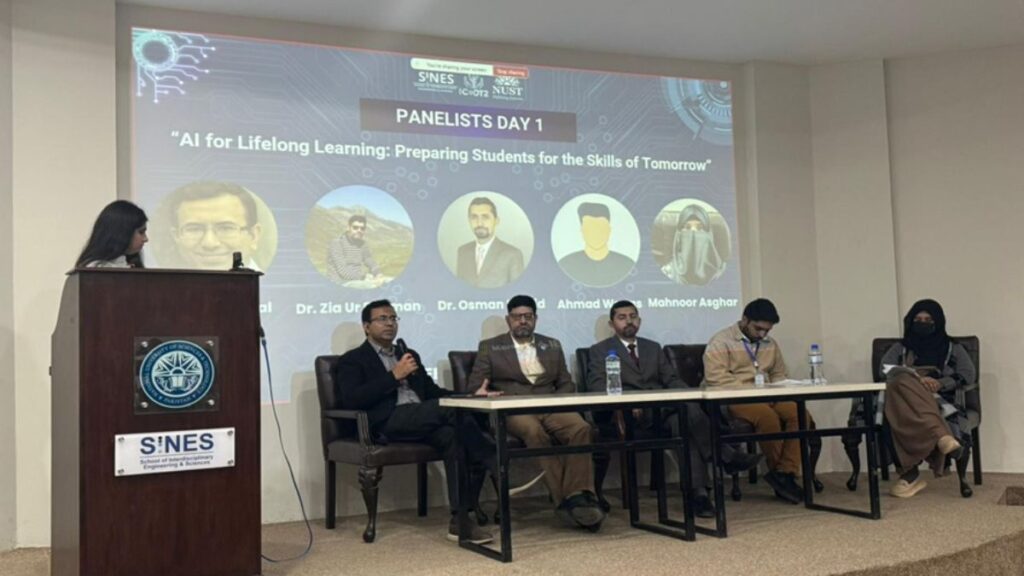
The conference featured two dynamic panel discussions. The day-1 included panel discussion on the topic “AI for Lifelong Learning: Preparing Students for the Skills of Tomorrow,” for day-1 bringing together esteemed educators, industry experts, and technology leaders. Moderated by Ms. Samreen Mubarik, the session explored innovative strategies for integrating artificial intelligence in education, equipping students with the skills and competencies needed for a rapidly evolving digital world.
Prof. Dr. Faisal Shafait shared his insights on AI fluency for non-technical students, emphasizing that understanding AI’s concepts, applications, and ethical implications is crucial even for arts and humanities majors, and highlighted how AI can enable a shift toward continuous, project-based, and competency-driven assessment.
Prof. Dr. Zia Ur Rehman argued that AI literacy should be mandatory for all university students, regardless of discipline, and recommended a basic curriculum covering AI fundamentals, ethics, and practical applications while urging Pakistani universities to rethink teaching approaches in response to rapid AI-driven changes.
Prof. Dr. Osman Khalid focused on responsible AI use in education, stressing that faculty must guide students to use AI as a learning enhancement tool, preventing shortcuts or academic dishonesty, and highlighted strategies for universities to lead in AI education.
Dr. Ahmed Waqas discussed how AI might render certain traditional subjects or curriculum components obsolete, while emphasizing the need to integrate new literacies like prompt engineering and algorithmic ethics, and recommended major reforms in Pakistani higher education to prepare students for the AI-driven future.
Ms. Mahnoor Asgahr highlighted the top three essential skills for faculty in the AI era and evaluated the current pace of AI integration in education, questioning whether today’s students are being adequately prepared for tomorrow’s job market.
The day-2 of ICoDT2 featured an engaging panel discussion on “Advances in Aerodynamics,” bringing together leading researchers, engineers, and industry experts to explore the latest innovations in aircraft design, fluid dynamics, and sustainable aviation technologies. Moderated by Mr. Chaudry Rohan Rafiq, the session highlighted breakthroughs in aerodynamic modeling, optimization techniques, and experimental approaches that are shaping the future of aerospace engineering.
Dr. Ammar (SINES) explored unsteady and high-speed flows, sharing recent advances in modeling shock-boundary layer interactions, and discussed breakthroughs in understanding hypersonic aerodynamics under extreme flow conditions.
Dr. Muhammad Irfan Zafar from SMME, NUST focused on computational aerodynamics, emphasizing how AI and machine learning are transforming CFD workflows, aerodynamic prediction, and optimization, while also addressing small-scale flight and techniques to improve efficiency for micro UAVs operating in low Reynolds number regimes.
Dr. Mohsin Haider, from Turkish Aerospace highlighted the continuing relevance of experimental aerodynamics and wind tunnel testing in the computational era, and shared insights on aeroelasticity and fluid-structure interaction, showing how new tools enhance modeling of flexible aircraft and UAVs.
Parallel Sessions of Paper Presenters at ICODT2
The conference featured parallel sessions for oral and poster presentations, with a total of 56 oral presentations and 5 poster presentations spread across two days, all under the ICODT2 theme. The oral presentations were organized into multiple time slots, each addressing specific topics related to digital transformation, emerging technologies, and their applications in education, sustainability, and industry.
Presenters shared research on innovations in AI, IoT, smart systems, and digital solutions, highlighting both theoretical advances and practical implementations. Sessions included case studies, technological demonstrations, and analyses of interdisciplinary applications, showcasing how digital transformation can drive efficiency, sustainability, and societal impact.
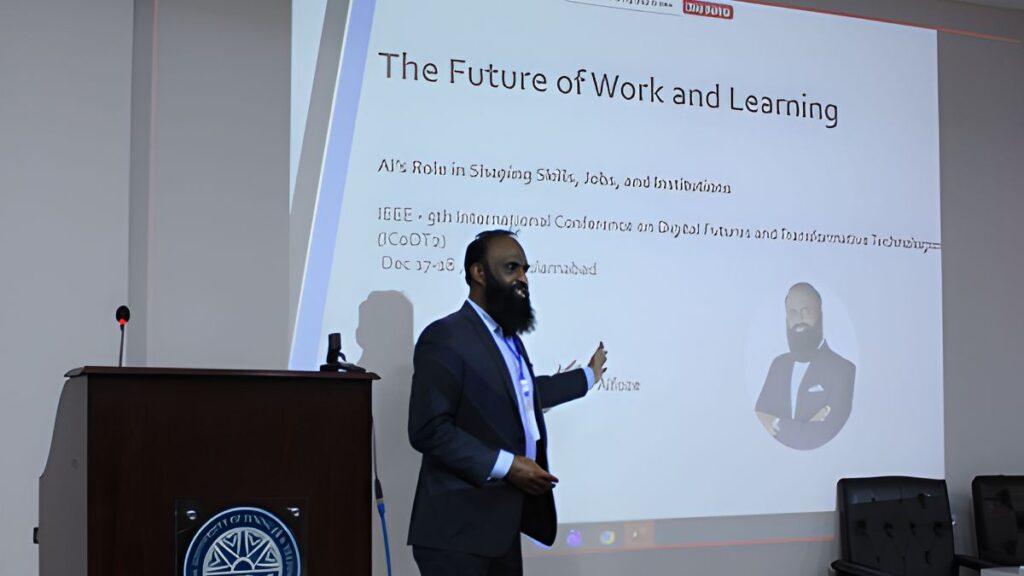
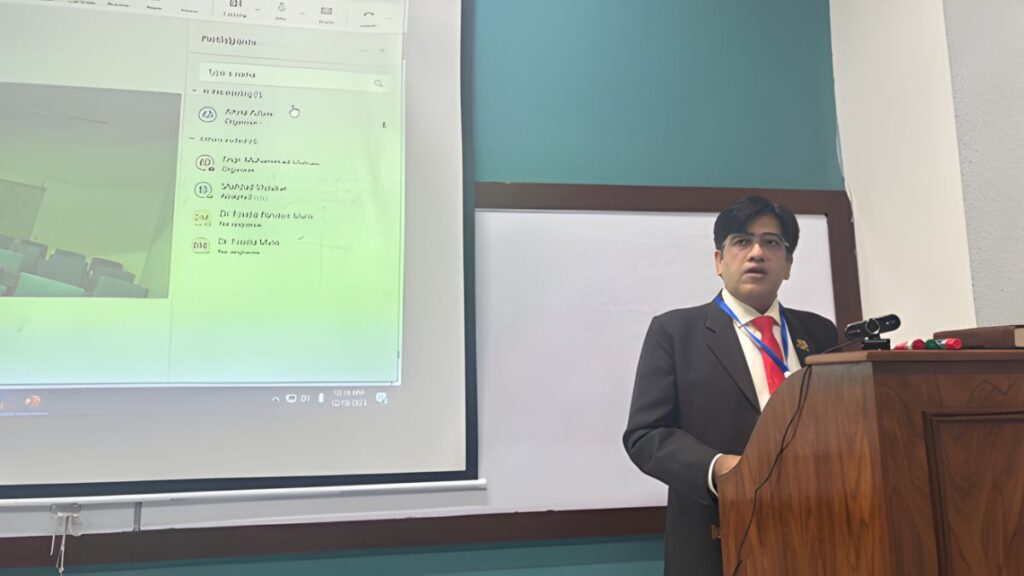
The poster presentations provided an interactive platform for engaging with research on emerging digital technologies, educational innovations, and technology-driven problem-solving. Presenters highlighted topics such as smart learning systems, innovative AI applications, and digital tools for sustainable development.
Both oral and poster sessions encouraged knowledge exchange, discussion, and collaboration among attendees. The parallel structure allowed for a comprehensive exploration of technological advancements, promoting interdisciplinary dialogue and inspiring new research directions aligned with the conference’s ICODT2 theme.
Ending on a High Note: Closing Ceremony & Way Forward
The closing ceremony of ICODT2 was graced by Prof. Dr. Fouzia Parveen Malik and Dr. Syed Irtiza Ali Shah, who delivered the closing remarks. They highlighted the significance of digital transformation, innovation, and interdisciplinary collaboration in shaping the future of technology and education. They also acknowledged the remarkable efforts of the Conference Chair Dr. Fouzia Malik, organizing committee, speakers, and panelists, emphasizing the conference’s impact in fostering knowledge exchange and transformative solutions.
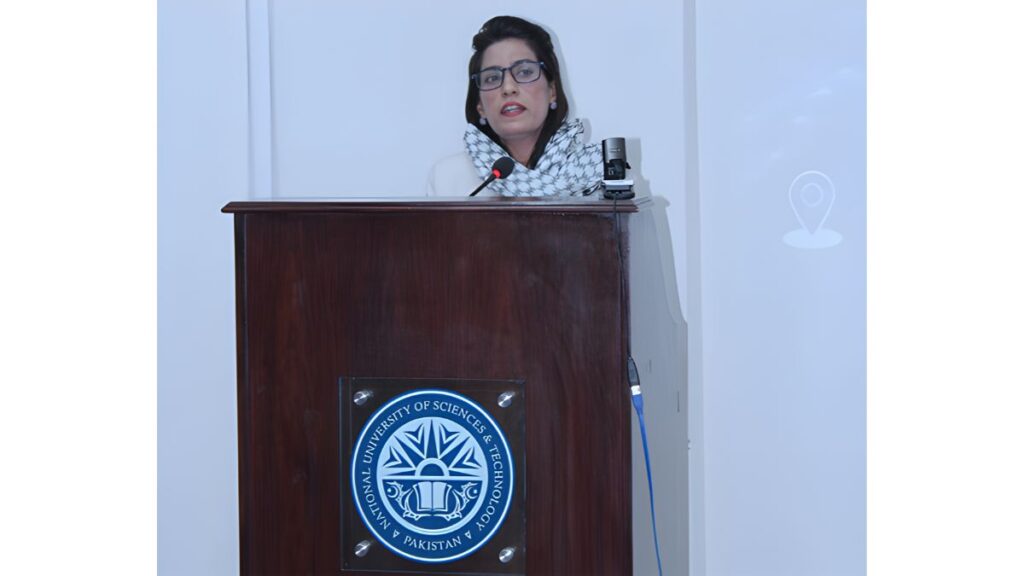
In a celebratory conclusion, the chief guests, session chairs, and distinguished speakers were presented with commemorative shields for their contributions. Certificates were awarded to staff members, the organizing committee, and the winners of the poster competition, recognizing innovative research and practical solutions shared during the conference.
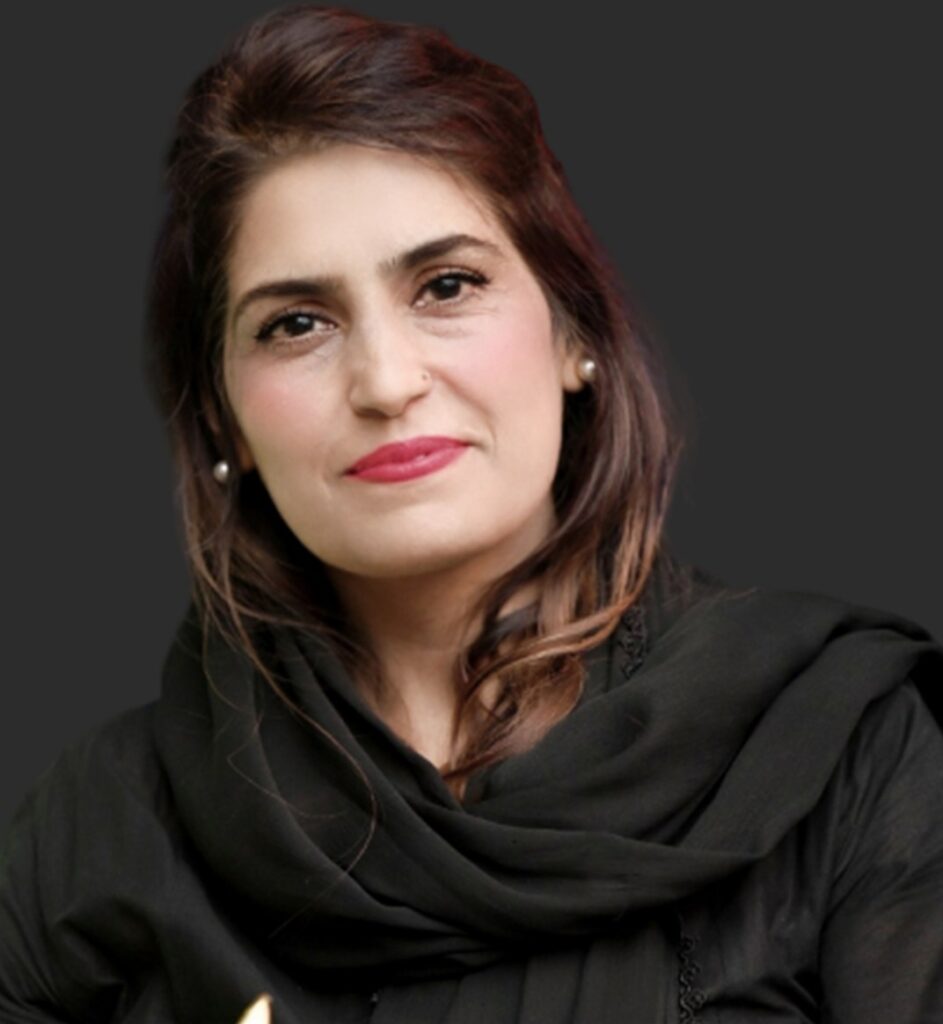
The author is a Professor at School of Interdisciplinary Engineering and Science (SINES), National University of Sciences and Technology (NUST). She can be reached at [email protected].