
Healing Wounds with Nature and 3D Printing
Imagine a wound dressing that doesn’t just cover an injury, but actively helps the body heal—fighting bacteria, supporting new skin growth, and slowly disappearing once its job is done. That future may be closer than we think. Scientists are now blending natural plant materials, traditional herbal medicine, and advanced 3D printing to create a new generation of smart wound dressings.
Why Wound Care Needs Innovation
Skin is our body’s natural shield. When it is damaged by cuts, burns, or trauma, that shield is broken, leaving the body vulnerable to infection. Traditional wound dressings like cotton gauze and bandages are widely used, but they mainly act as covers. They can stick to wounds, cause pain during removal, and often fail to provide the moist, protective environment needed for fast healing.
A New Idea: 3D-Printed Scaffolds
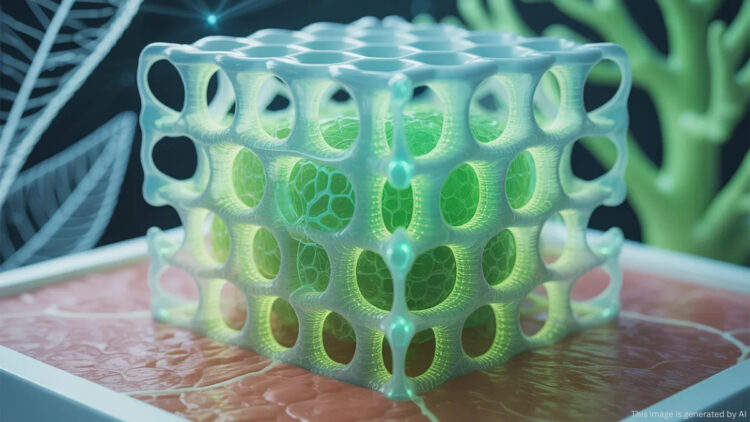
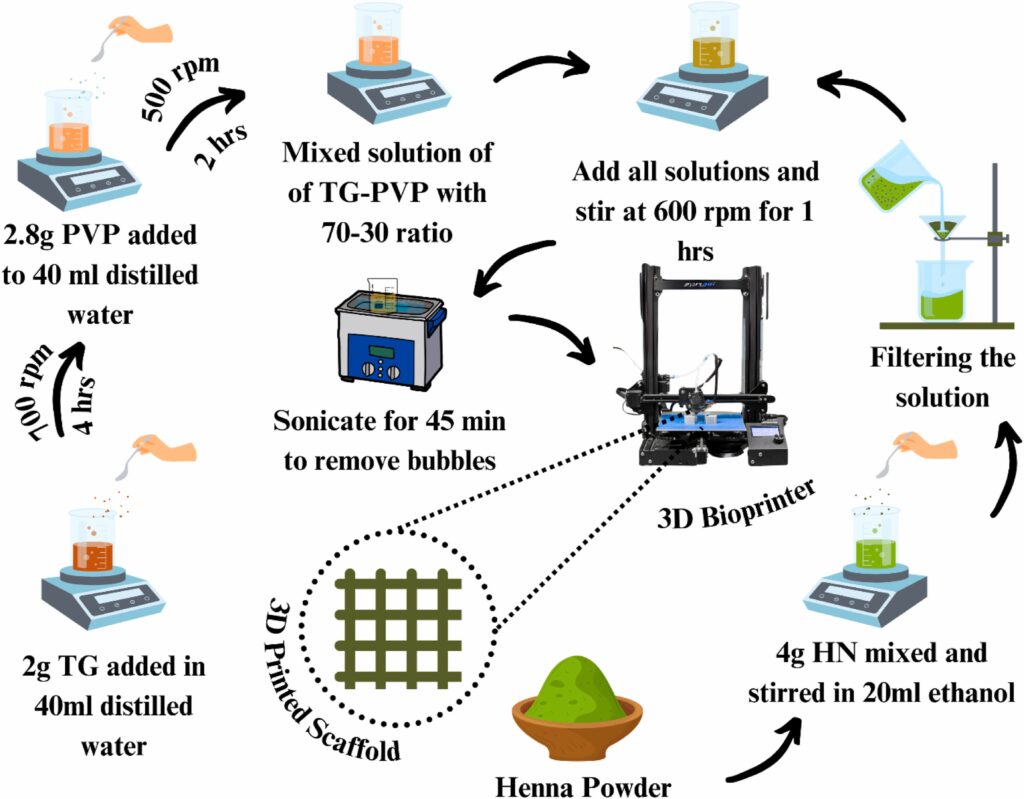
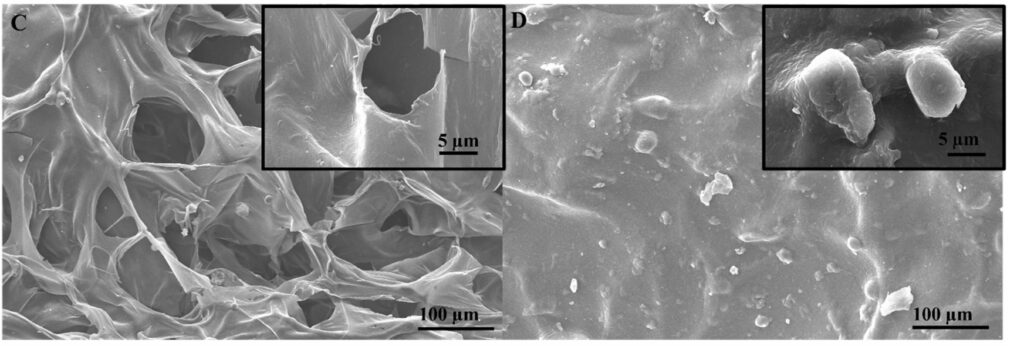
Researchers are now exploring 3D-printed scaffolds—soft, sponge-like structures that act as temporary skin. These scaffolds are designed with tiny interconnected pores that allow oxygen, nutrients, and cells to move freely, supporting natural tissue regeneration. Using a technique called Direct Ink Writing (DIW), scientists can precisely control the shape, thickness, and internal structure of these scaffolds.
Nature Meets Engineering
The scaffold in this study was made using two key materials. Polyvinylpyrrolidone (PVP) is a safe, water-loving polymer already used in medical products. Tragacanth gum (TG) is a natural plant-based material that is biodegradable, non-toxic, and affordable. When mixed together, they form a printable bio-ink that flows smoothly during printing but holds its shape afterward.
Healing Power from Henna
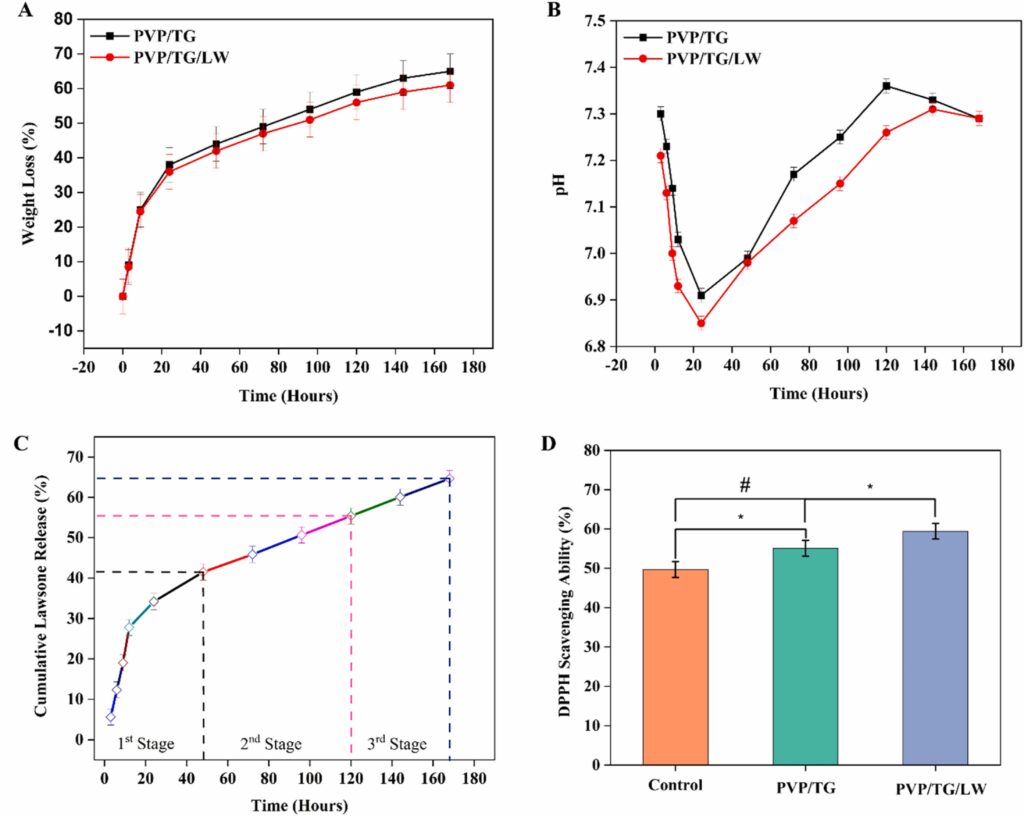
To add healing functionality, the researchers enriched the scaffold with lawsone, a natural compound found in henna leaves. Lawsone has well-known antibacterial and antioxidant properties and has been used in traditional medicine for centuries. Instead of releasing all at once, the scaffold slowly releases lawsone over several days, providing long-lasting protection against infection.
Designed for the Human Body
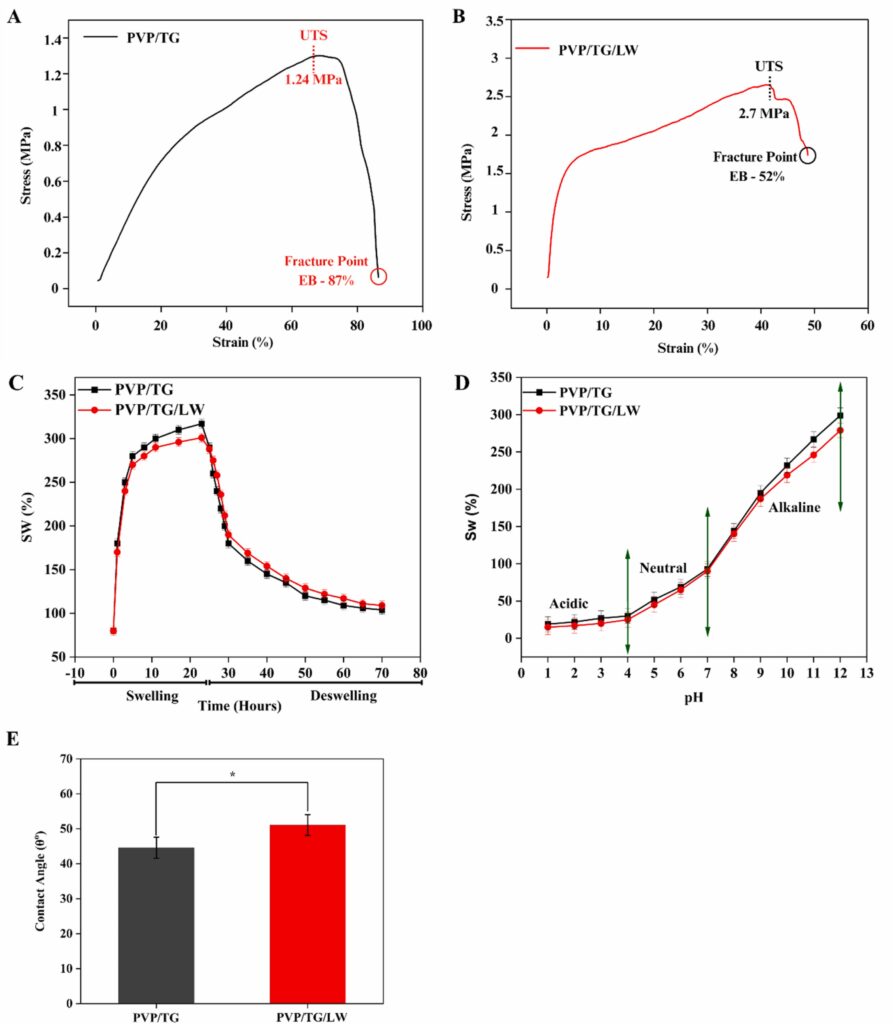
Lab testing showed that the scaffold is strong yet flexible—important for wounds on moving body parts. It absorbs and retains moisture, keeps the wound environment hydrated, and gradually degrades over about one week. This controlled breakdown matches the body’s natural healing timeline.
Fighting Infection Naturally
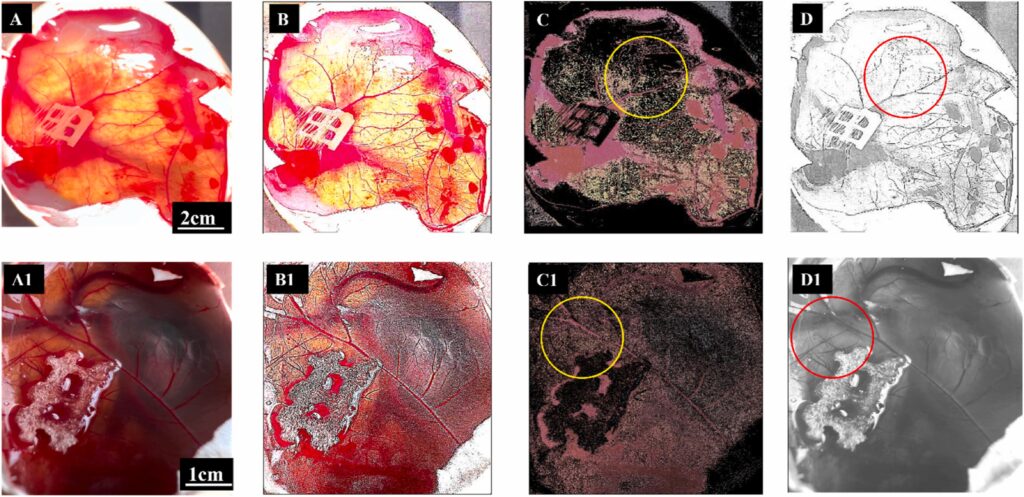
When tested against harmful bacteria such as E. coli and Staphylococcus aureus, the lawsone-loaded scaffold successfully stopped bacterial growth. This confirms that natural plant-based compounds can be effective alternatives to synthetic antibiotics, especially when delivered in a controlled way.
Why This Matters for Healthcare
This approach is especially promising for hospitals, burn units, and chronic wound care. The materials used are affordable, biocompatible, and suitable for large-scale production. In developing countries, where access to advanced wound care is limited, such plant-based and 3D-printed solutions could make a real difference.
A Look Ahead
This research shows how combining nature with technology can transform healthcare. By using plant-derived materials, traditional herbal compounds, and precise 3D printing, scientists are moving toward wound dressings that actively heal rather than simply protect. With further testing, these smart scaffolds could soon move from laboratories to clinics—changing how wounds are treated worldwide.
The author is an Assistant Professor, in School of Chemical and Materials Engineering (SCME), National University of Sciences and Technology (NUST). He can be reached at [email protected].
Research Profile: https://bit.ly/4tIpsMA