

Introduction
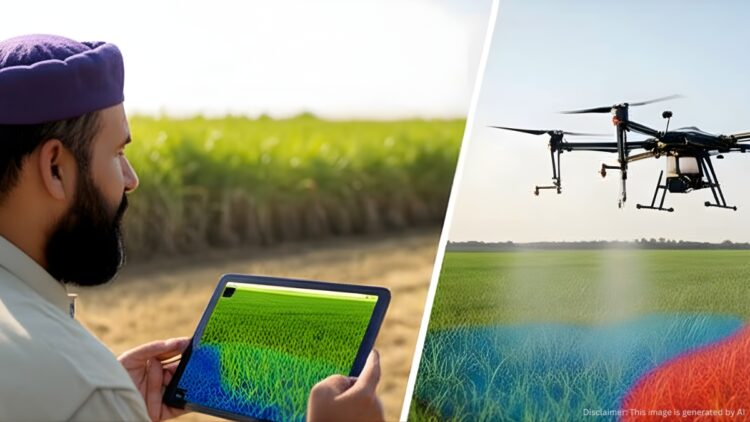
The escalating global population necessitates a substantial increase in food production, projected at 70% by 2050, to ensure food security. This objective is challenged by diminishing natural resources, climate change, and excessive pesticide use, which poses health and environmental hazards. In response, precision agriculture technologies, such as unmanned aerial vehicles (UAVs) for smart spraying, have emerged as critical solutions. At NUST our team has developed an innovative smart spraying system for agricultural drones under HEC research grant. This system optimizes pesticide application through variable rate technology and specialized orchard spraying modes, reducing waste and enhancing sustainability.
Project Scope
- Determination of optimal spraying parameters for reducing drift and enhancing deposition during plant growth for key crops, involving field experiments and simulations.
- Design of an indigenous dynamic variable rate aerial spraying control system based on artificial intelligence, Internet of Things, and remote sensing for precise application.
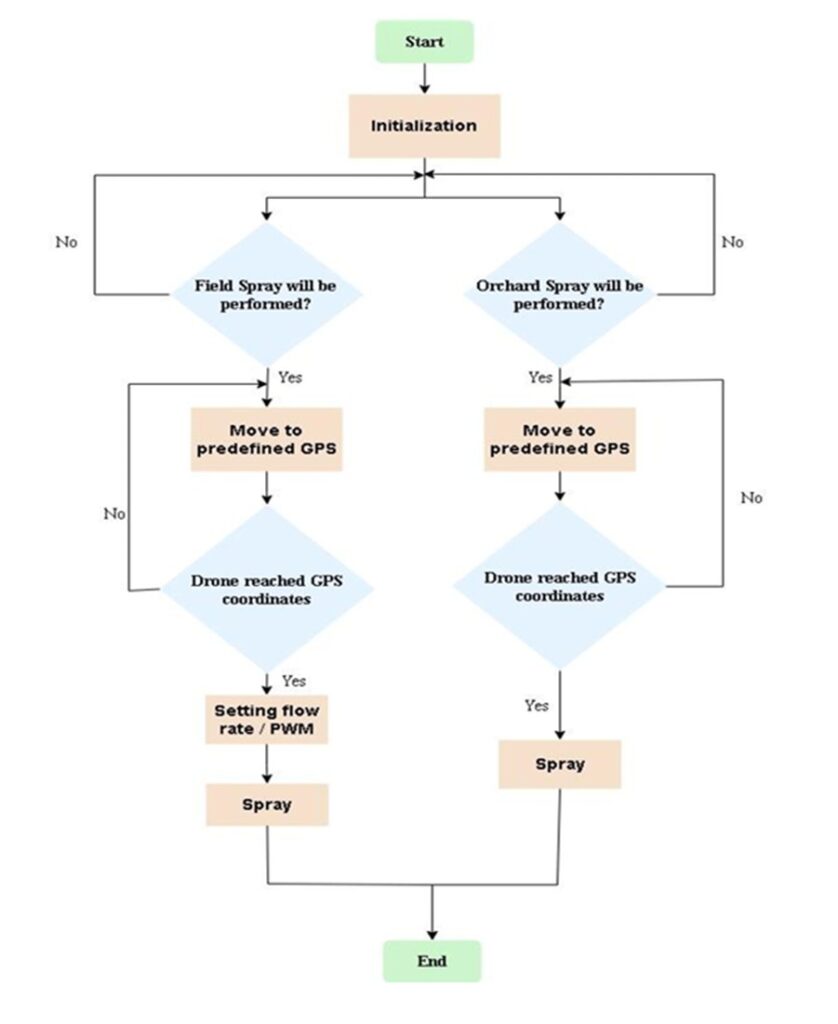
- Focus on variable rate spraying that adjusts pesticide flow in real-time based on crop health maps, and orchard mode for full-rate coverage on individual trees.
- Integration of AI for pest detection and prescription map generation to enable targeted spraying.
Type of Problems the developed Product Solves
The smart spraying system tackles key issues in conventional pesticide applications, such as excessive chemical use leading to environmental pollution, health risks, and pest resistance. Unlike traditional uniform spraying, which wastes up to 50% of pesticides, our variable rate technology applies chemicals only where needed, based on AI-generated prescription maps, potentially reducing usage by 10-15%. For orchards, where dense canopies make even coverage difficult, the full-rate mode ensures thorough penetration without drift between trees. This innovation minimizes runoff, lowers costs for farmers, and promotes sustainable practices in Pakistan’s agriculture sector, particularly for crops prone to pests like pyrilla in sugarcane.
Preparation of the Smart Spraying System
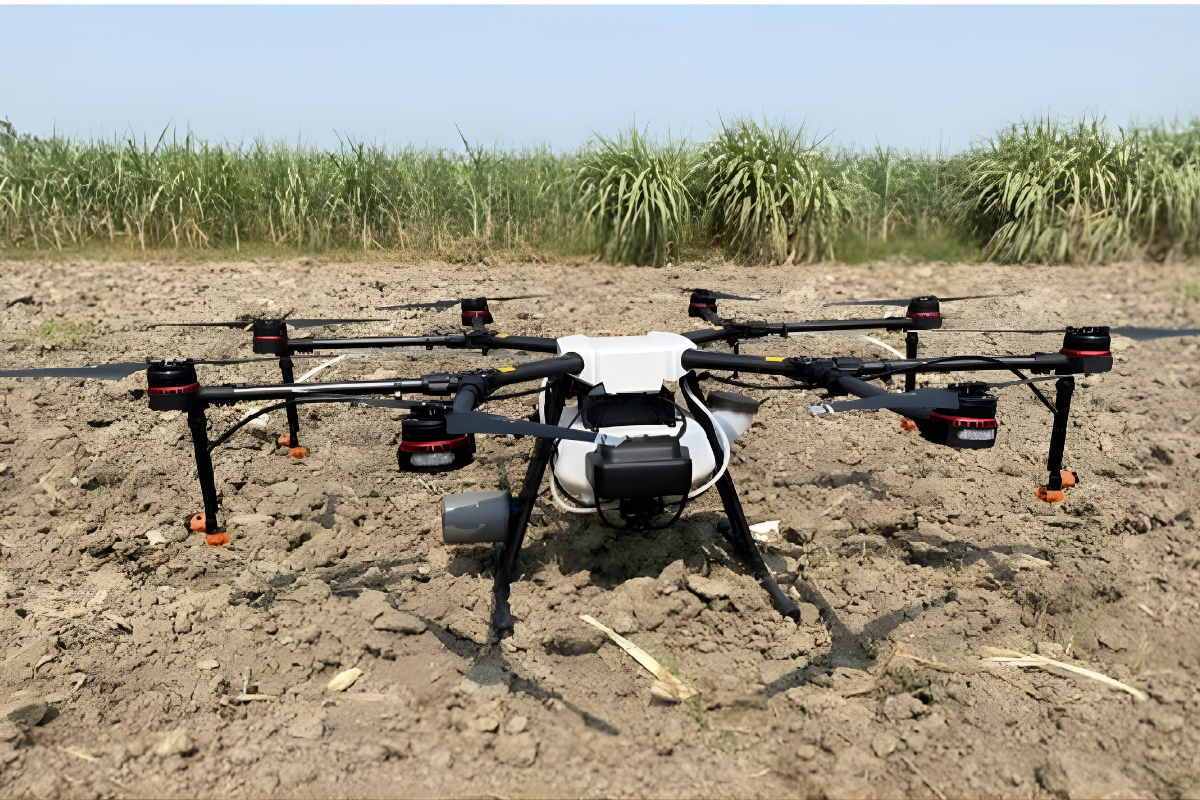
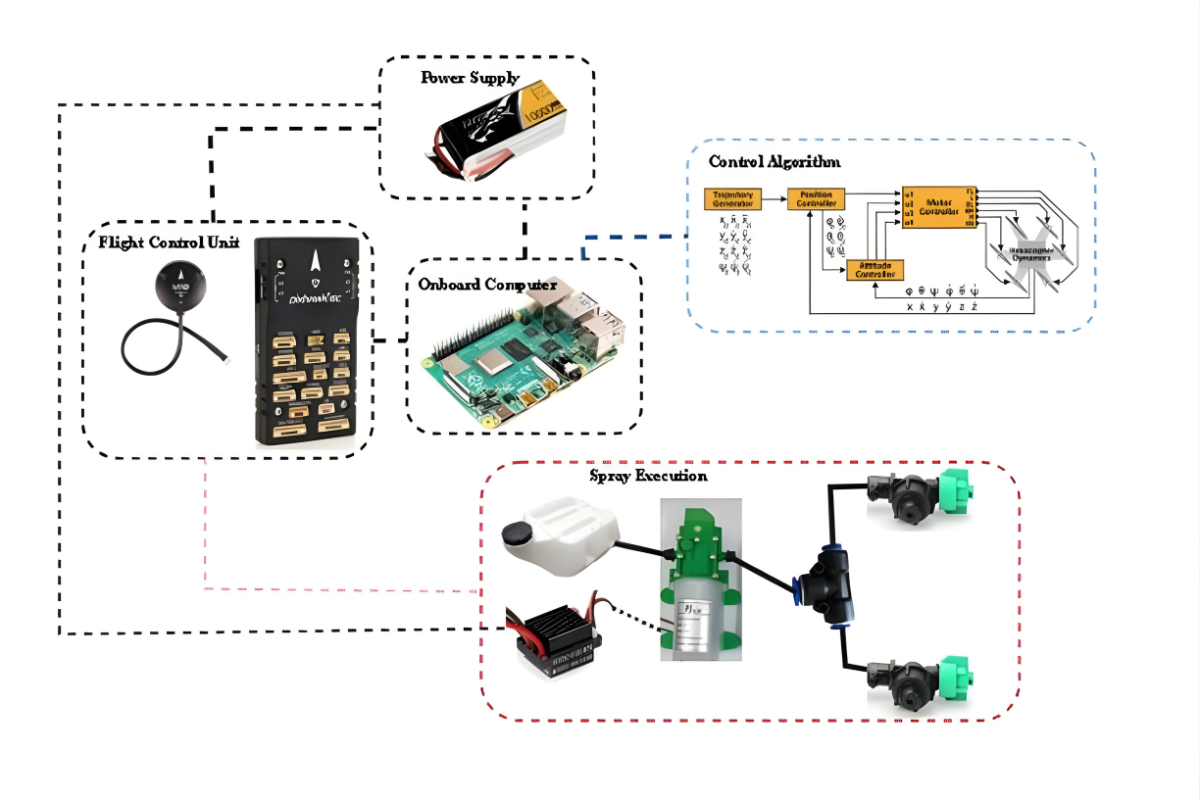
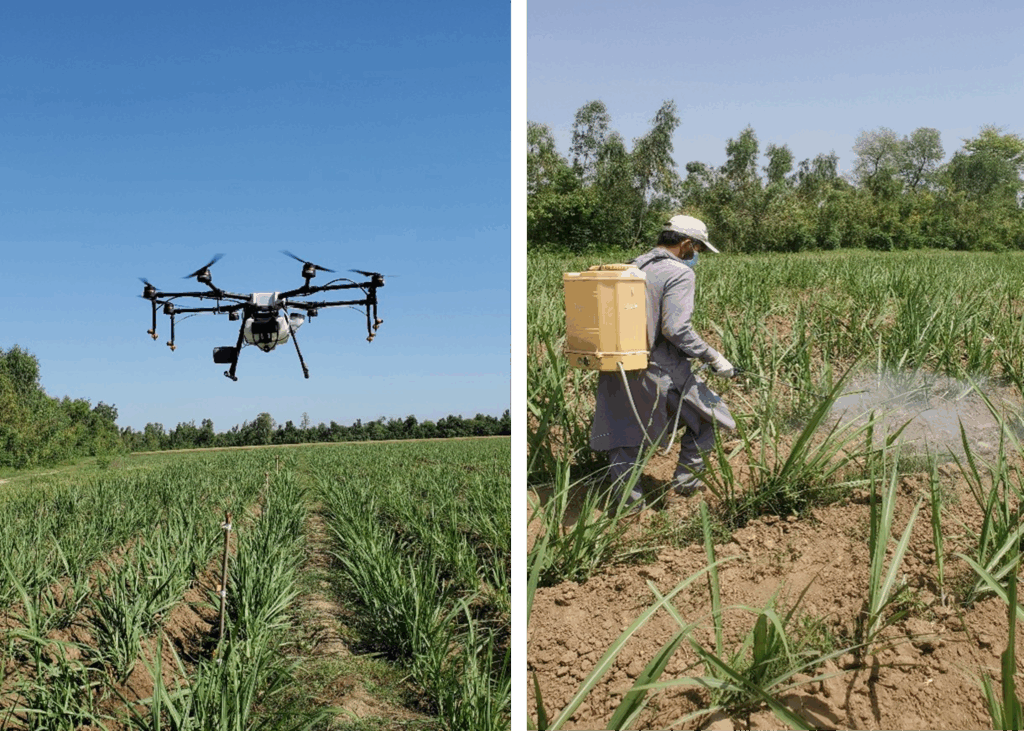
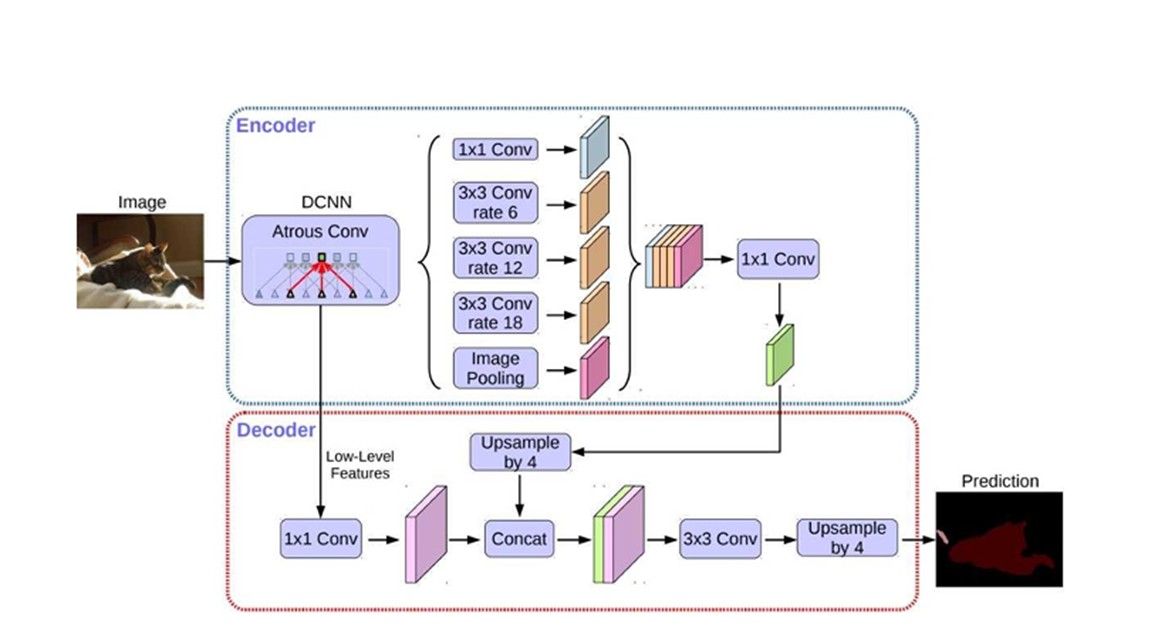
The research team conducted extensive field experiments on sugarcane and rice, using UAVs equipped with various nozzles to measure droplet deposition and uniformity. Water-sensitive papers were attached directly to crop leaves for realistic data. AI models, including U-Net and DeepLabv3, processed multispectral UAV imagery to detect pests and generate prescription maps. CFD simulations using the Lattice Boltzmann Method analyzed downwash airflow for optimal flight parameters. The variable rate control system was designed with Raspberry Pi for onboard processing, integrating GPS, PID controllers, and PWM signals to adjust pump speed dynamically. Orchard mode was incorporated for tree-specific full-rate spraying with orbital maneuvers.

AI-Powered Pest Detection
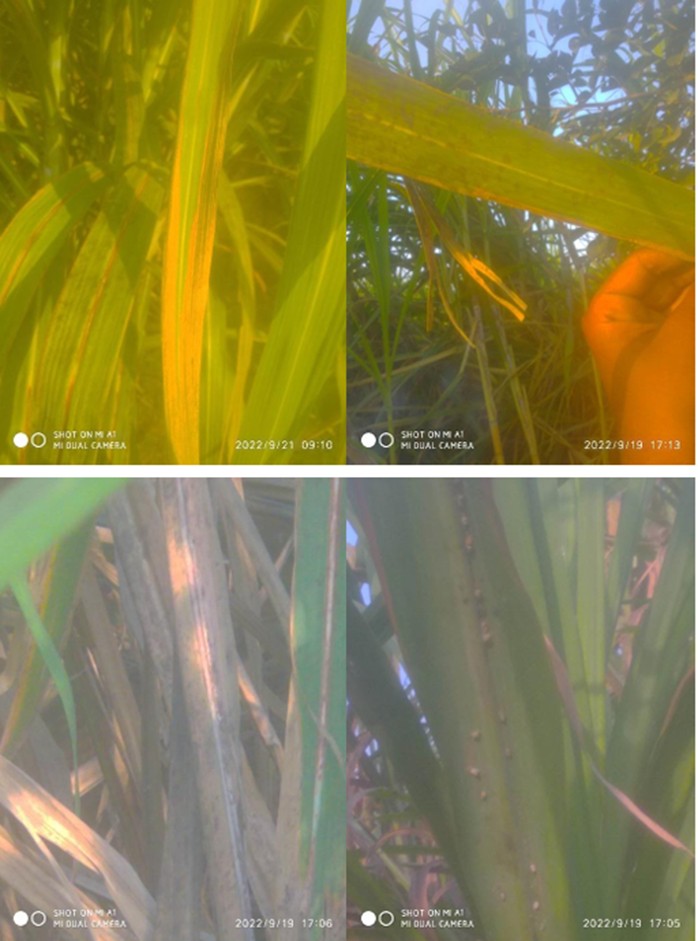
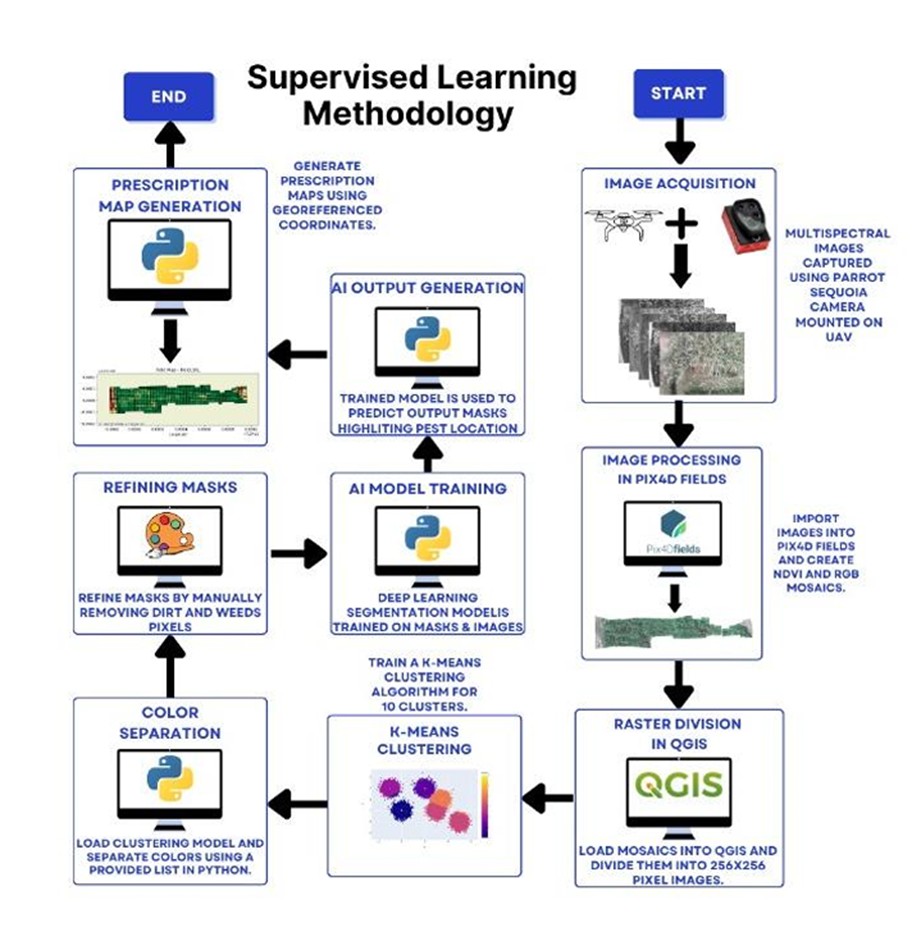
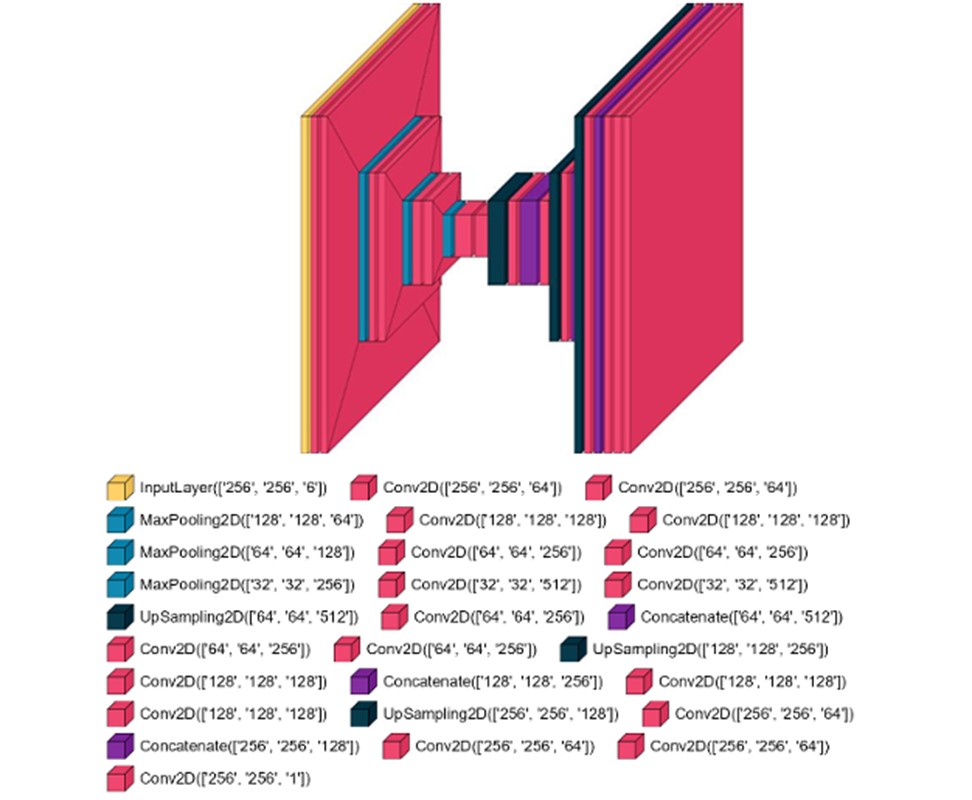
A core component of the smart spraying system is its AI-powered pest detection capability, which leverages machine learning to identify crop stress and infestations accurately. Using multispectral imagery from UAVs like the DJI Phantom 4 with Parrot Sequoia camera, the system processes data through models such as U-Net and DeepLabv3 for semantic segmentation . For instance, pyrilla-affected sugarcane regions are detected via NDVI analysis and clustering algorithms, while rice stem borer damage is segmented to highlight “dead heart” tillers and “white head” panicles. This enables the generation of precise prescription maps, ensuring targeted pesticide application and minimizing unnecessary chemical use.
Key Features of the Smart Spraying System
- Variable Rate Spraying: Adjusts pesticide flow in real-time based on prescription maps, saving 30-50% on chemicals.
- Orchard Mode: Provides full-rate coverage with 2-3 orbital rotations per tree for dense canopies.
- AI-Powered Pest Detection: Uses deep learning for accurate identification of stressed zones in crops.
- CFD-Optimized Parameters: Ensures minimal drift with ideal flight heights (2-3 m) and speeds (4-6 m/s).
- IoT Integration: Real-time monitoring via ground control station for overrides and safety.
- Indigenous Design: Affordable, battery-powered system with 15–20 minute flights covering wide areas.
Teammates
Researchers from the School of Mechanical and Manufacturing Engineering (SMME), have undertaken this study to revolutionize precision agriculture. The team was led by Principal Investigator Dr. Zaib Ali, with contributions from Co-PIs Dr. Waqar Shahid Qureshi from EME College, NUST, and Dr. Jawad Khan from SMME, NUST. Their combined expertise in computational fluid dynamics, UAV systems, and AI drove the project’s success in addressing pesticide application challenges.
Field Study
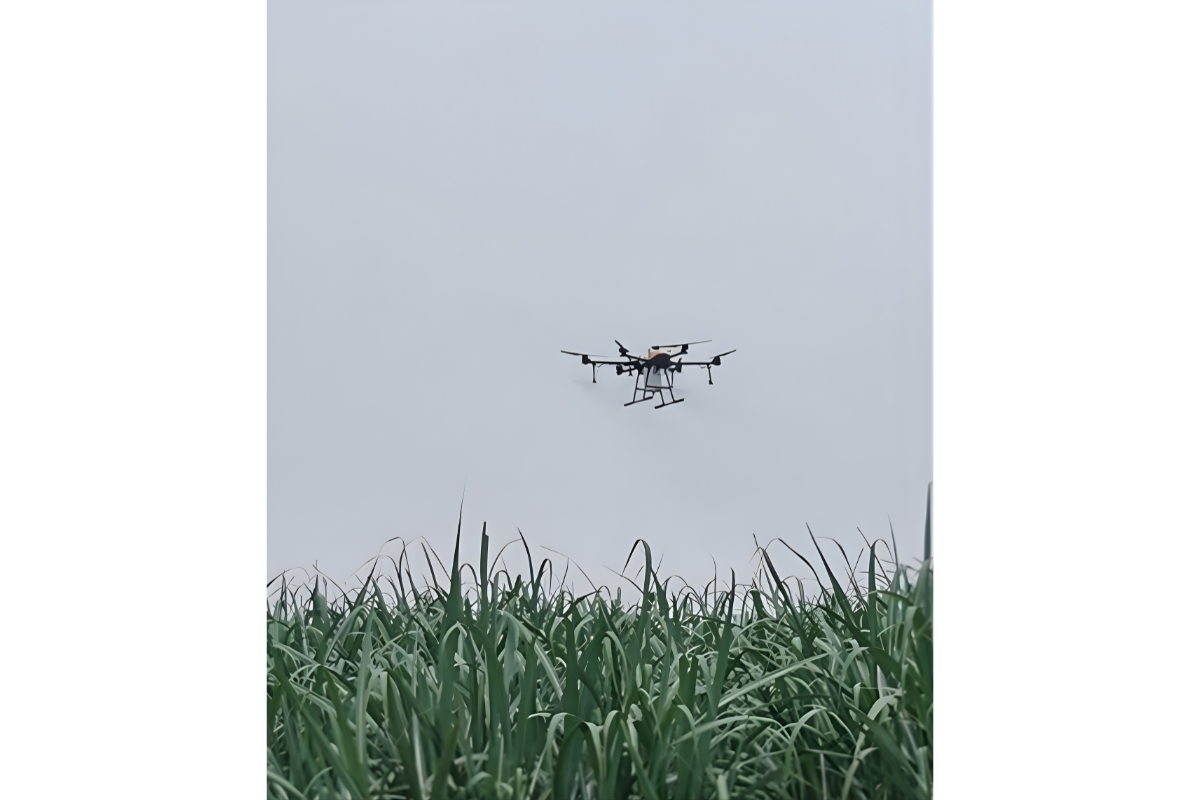
Field trials on sugarcane and rice validated the system’s performance. Optimal parameters reduced drift by up to 40%, with air induction nozzles showing superior uniformity. Prescription maps accurately targeted pyrilla and stem borer infestations. The variable rate system achieved precise application, while orchard mode simulations confirmed better canopy penetration. Ongoing tests under varying conditions continue to refine the technology for real-world efficacy.
Future Application of the Product
Future applications extend to diverse crops and large-scale farming. The system could integrate advanced sensors like LiDAR for 3D mapping or adapt for fertilizer spreading. Fleet management for multiple drones would enable coverage of vast areas. User-friendly apps could simplify mission planning for small farmers. Socio-economic studies will assess adoption barriers, potentially transforming Pakistan’s agriculture into a more precise, eco-friendly sector.
Business Potential of the Product
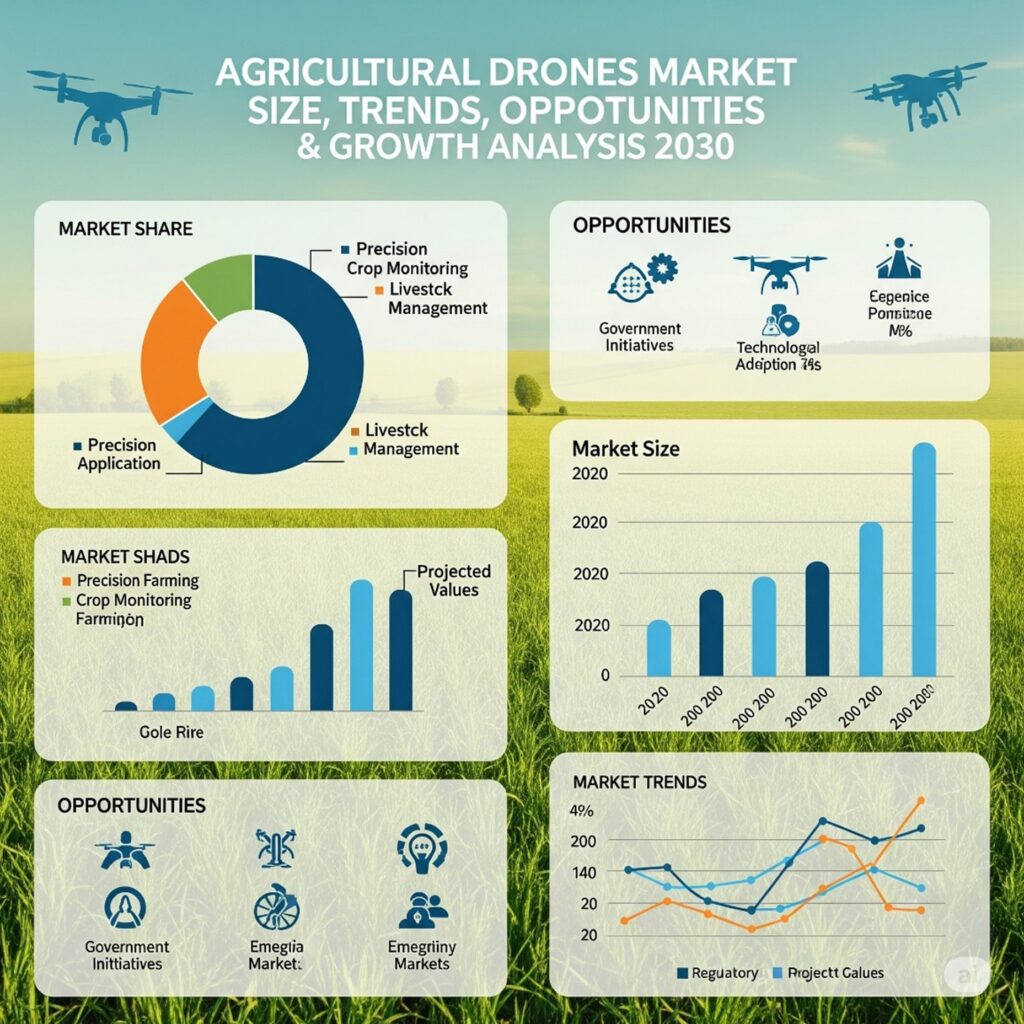
The smart spraying system has strong business potential in the growing agricultural drones’ market, projected to reach USD 10.26 billion by 2030. As farmers seek efficient, sustainable solutions to reduce pesticide costs and comply with environmental regulations, this indigenous technology offers a cost-effective alternative. It appeals to both local and global markets, setting new standards in precision agriculture.
Conclusion
This project has successfully developed a smart spraying system for agricultural drones, achieving optimal parameters for reduced drift and a dynamic variable rate control system. Field studies and CFD simulations provided crop-specific guidelines, while AI enabled precise pest mapping. The innovations address research gaps, offering substantial benefits in cost savings and environmental protection. Continued refinement will enhance its impact on sustainable farming.
Acknowledgments
This work was supported by the National Research Program for Universities (NRPU), Higher Education Commission (HEC), Pakistan.
The author is an Associate Professor at the School of Mechanical and Manufacturing Engineering (SMME), National University of Sciences and Technology (NUST). He can be reached at [email protected].
Research Profile: https://bit.ly/4rnWHDV