
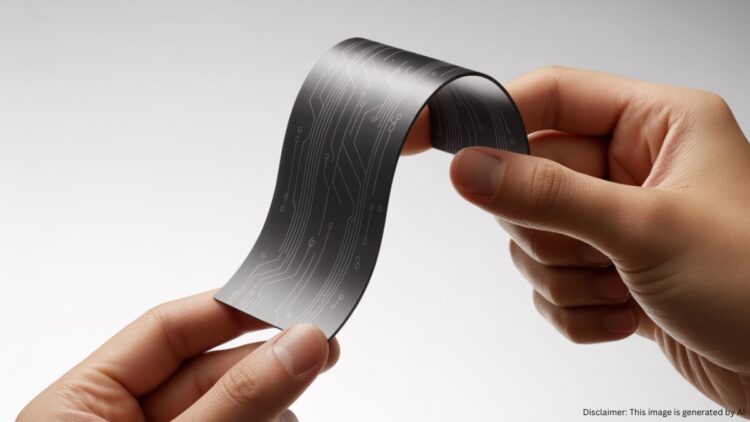

In an age where digital and physical worlds increasingly converge, Human-Machine Interfaces (HMIs) are becoming central to everyday life—from healthcare and smart homes to wearable technology and robotics. A recent innovation led by researchers from Jeju National University (JNU), South Korea, and National University of Sciences and Technology (NUST), Pakistan, presents a transformative step in this domain: a flexible, eco-friendly, and highly responsive humidity sensor built using nothing more than carbon paper and a silver ink pen.
This novel sensor is not only sustainable and biocompatible but also impressively versatile, capable of monitoring breath, detecting proximity, and even interpreting Morse code.
The Challenge: Flexible Sensors that Are Fast, Cheap, and Green
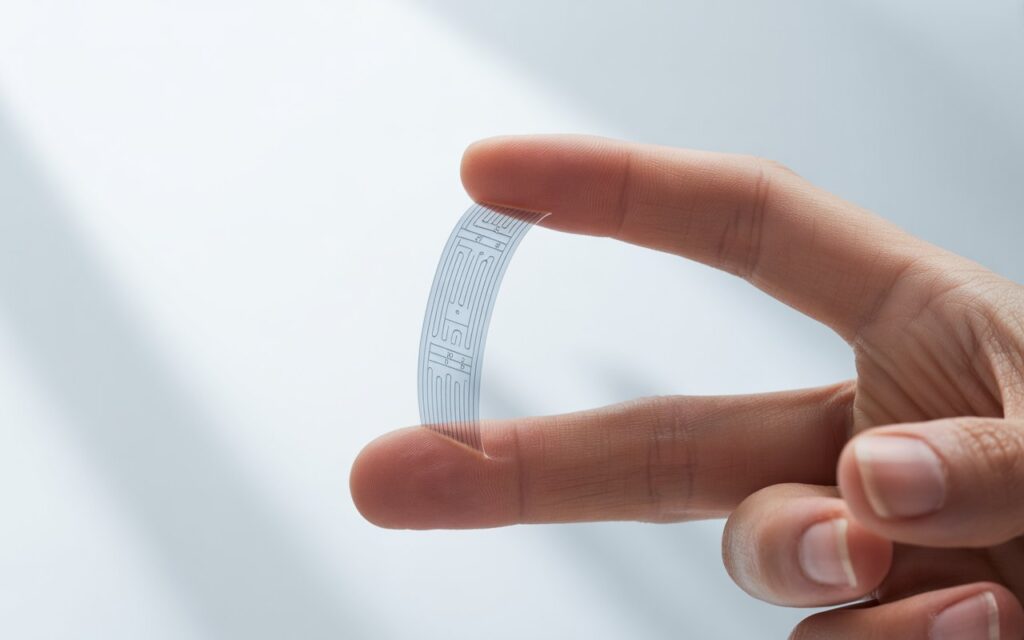
Humidity sensors are vital across multiple industries: food safety, climate control, healthcare diagnostics, and agriculture, to name a few. The challenge has long been to make these sensors flexible, low-cost, and environmentally safe—especially for wearable or disposable applications.
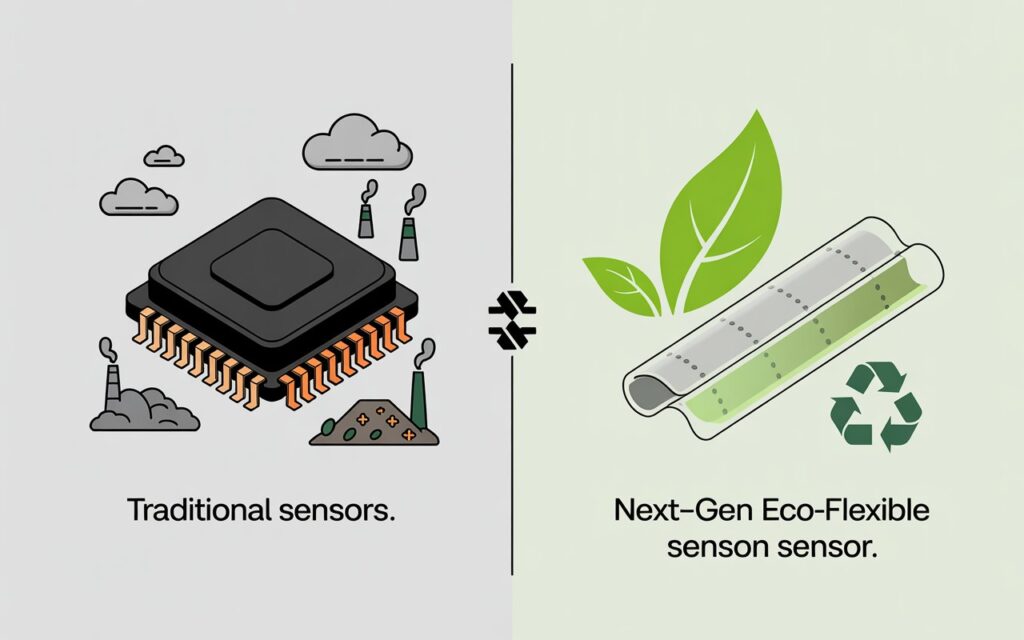
Traditional designs often use plastic substrates and require expensive, complex fabrication processes. Paper-based alternatives offer a green solution but typically need added conductive layers, chemicals, or printing technologies that increase cost and environmental impact.
The Breakthrough: Carbon Paper as Sensor and Substrate
The research team tackled these challenges head-on by using carbon paper as both the sensing layer and the structural base. Unlike typical cellulose paper, carbon paper is inherently conductive, flexible, and hydrophilic—ideal properties for detecting moisture without additional chemical treatments.
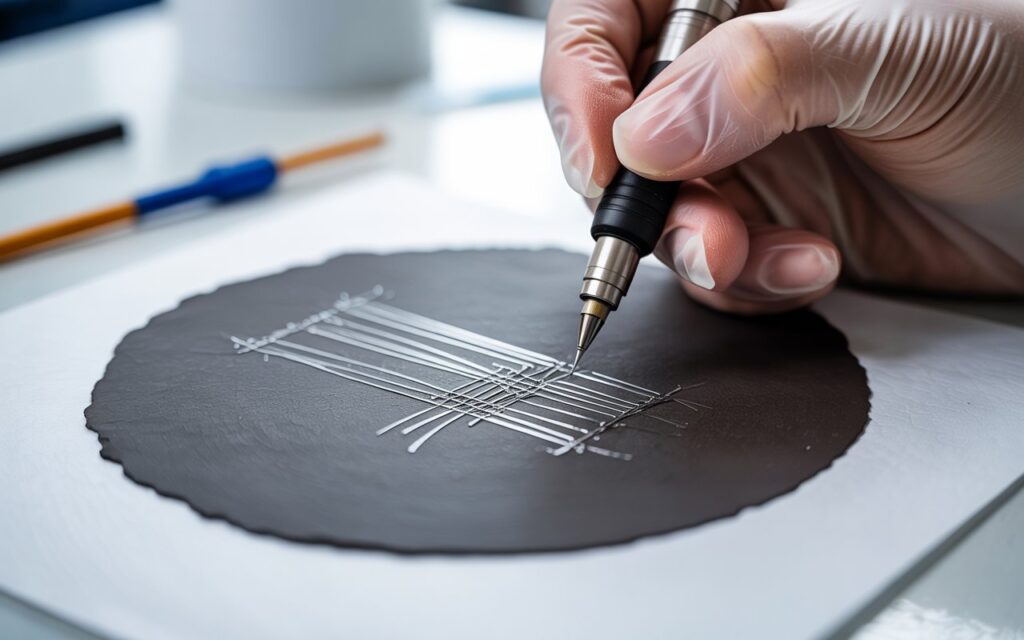
Using a simple handwriting technique, the team patterned interdigitated electrodes (IDEs) onto the carbon paper using a commercially available silver ink pen. This eliminated the need for screen or inkjet printing, clean rooms, or toxic materials—bringing the cost of a single sensor down to less than 10 cents.
Fast, Stable, and Sensitive
Despite its simplicity, the sensor achieved remarkable performance metrics:
- Wide detection range: 30% to 85% relative humidity (%RH)
- Fast response/recovery times: 12 seconds and 24 seconds, respectively
- Low hysteresis: Just 1.2%, ensuring consistent reading
- Long-term stability: Maintains performance for over a month
- Repeatability: Consistent readings across multiple sensors
The secret lies in the porous fibrous network of carbon paper, which rapidly absorbs and releases water molecules. Its internal hydrophilic groups enhance this effect while maintaining stable electrical pathways.
Ready for Real-World Action
To test durability, the sensor underwent 100 bending and multiple twisting cycles, simulating wear-and-tear conditions found in real-world applications like clothing or wearable electronics. Results showed no significant loss in sensitivity or stability—a testament to carbon paper’s mechanical resilience.
The sensor’s applications are as impressive as its design:
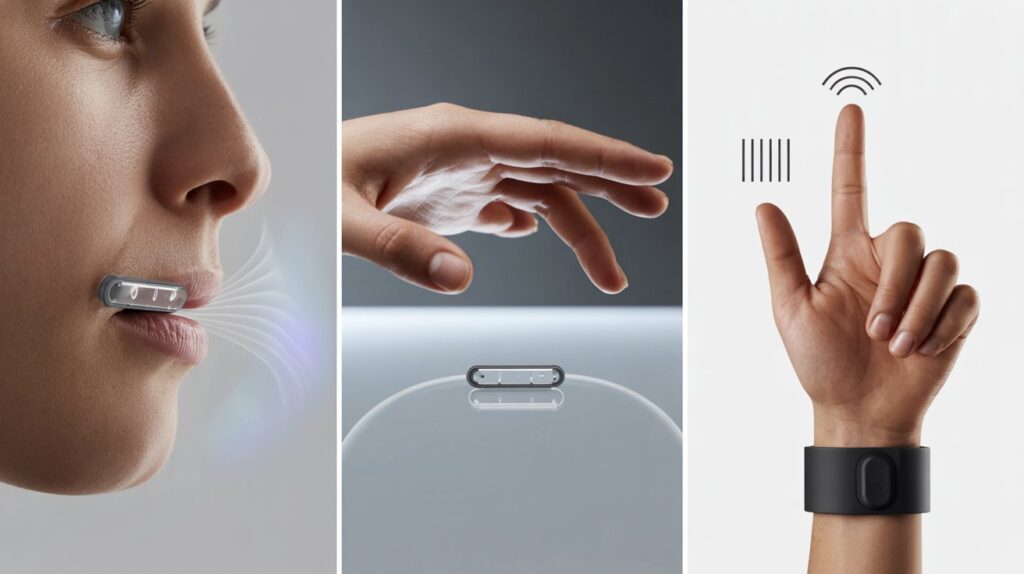
- Breath monitoring: Able to differentiate between mouth and nose breathing patterns, making it suitable for healthcare use (e.g., sleep apnea detection, respiratory diagnostics).
- Proximity sensing: Detected finger distances as far as 10 mm based on emitted moisture—ideal for non-contact controls in smart interfaces.
- Morse code detection: Interpreted finger movements as short and long signals, proving its utility in alternative communication systems.
Why This Matters
This innovation arrives at a time when sustainable electronics are more important than ever. As the global electronics industry faces mounting pressure to reduce e-waste and environmental impact, biocompatible and recyclable solutions like this carbon paper-based sensor could lead the way.
Moreover, its low cost and ease of fabrication mean that large-scale production—even in resource-constrained environments—is realistic and practical. It opens doors for low-income regions to access advanced sensor technologies for healthcare, agriculture, and education.
Future Possibilities
The researchers envision further integration of this sensor into wearable IoT systems, smart textiles, and mobile diagnostics. They also see potential in self-powered sensor systems, combining their sensor with energy-harvesting mechanisms for fully autonomous operation.
In a world where the boundary between humans and machines is becoming ever thinner, this flexible, sustainable, and smart sensor stands out as a timely, affordable, and impactful solution.
Collaborative Partner
Jeju National University, South Korea, National University of Sciences and Technology (NUST), Pakistan, iTACT, South Korea
The author is an Assistant Professor at School of Mechanical and Manufacturing Engineering (SMME), National University of Sciences and Technology (NUST). He can be reached at [email protected].
Research Profile: https://bit.ly/4i5GL4T