
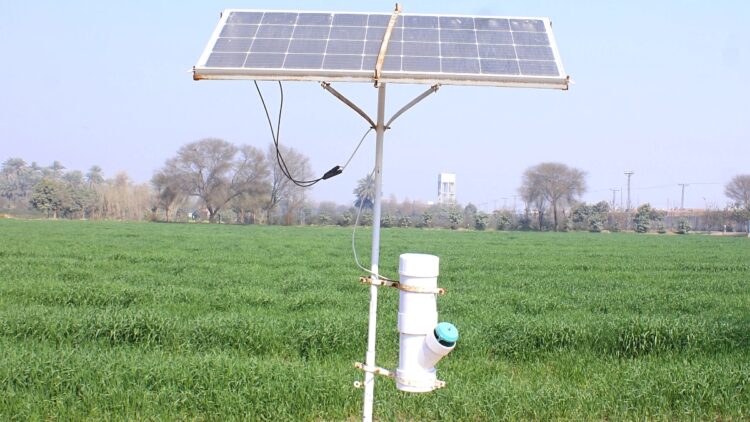


In the sun-scorched fields of South Punjab, where mangoes, maize, and cotton grow in abundance, farmers have long battled a tiny but devastating enemy—insect pests. These pests are responsible for more than 40% of annual fruit and vegetable losses globally and cost Pakistan nearly $200 million annually in damages. The traditional pest monitoring process is manual, labor-intensive, and often reactive, relying heavily on excessive pesticide use. This not only drives up costs but also harms beneficial pollinators, soil health, and food safety.
Introducing SMARTRAPS, a revolutionary pest monitoring system powered by Artificial Intelligence (AI) and the Internet of Things (IoT). Developed under a major HEC-funded research grant and commercialized by Photon-AI (SMC-Pvt) Ltd., SMARTRAPS represents a transformative shift toward data-driven, environmentally friendly pest surveillance in agriculture.
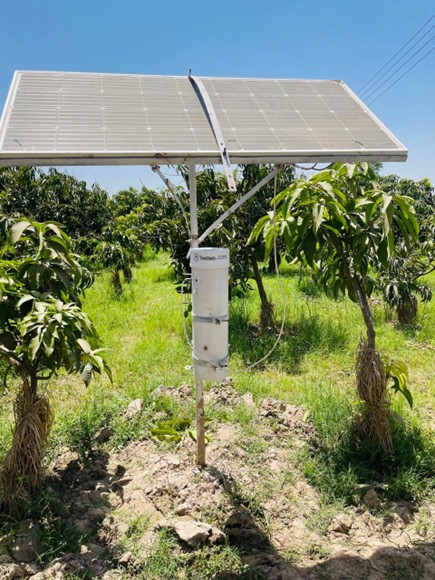
The Solution: Solar-Powered, AI-Enabled Smart Traps
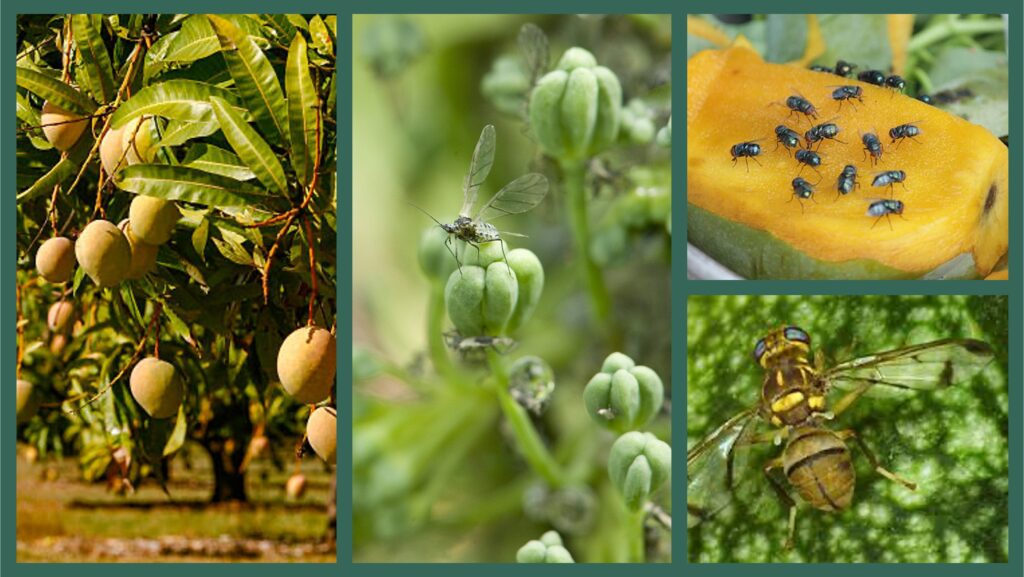
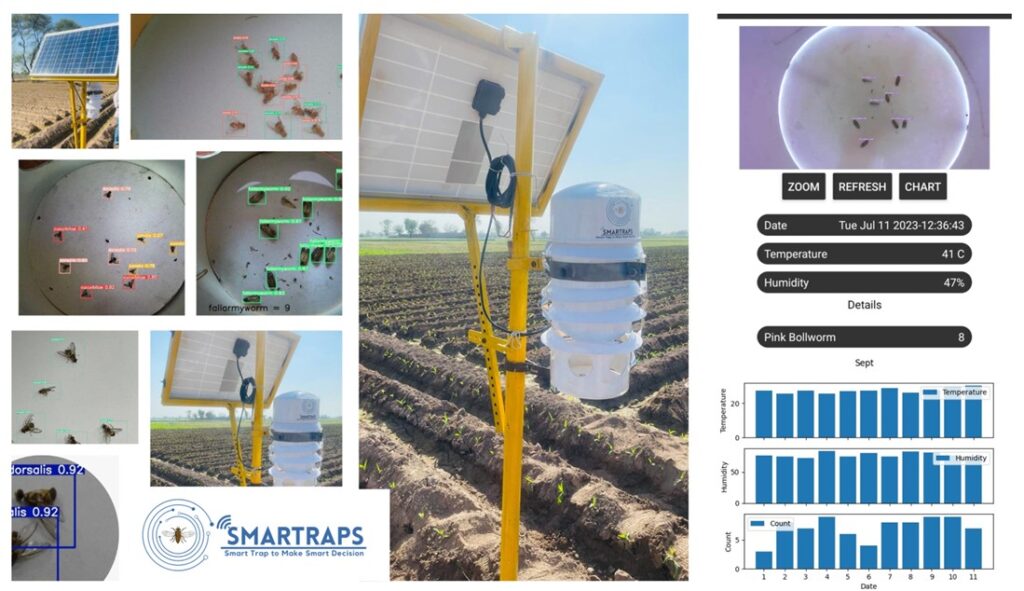
SMARTRAPS are solar-powered smart devices equipped with high-resolution cameras and AI models trained to detect key insect pests like the fall armyworm, pink bollworm, and fruit flies. These traps automatically capture and analyze insect images, classify them, and send real-time updates to a cloud dashboard, allowing for early detection and precision intervention. The result? Farmers can spray only when necessary, reducing pesticide usage by up to 30% and improving crop yield by 10%.
Each SMARTRAP covers approximately 5 acres for pest control or an entire field for monitoring. Designed to withstand harsh field conditions, these devices operate reliably in temperatures ranging from 0°C to 50°C—perfect for Pakistan’s extreme climate.
Field Deployments and Community Impact
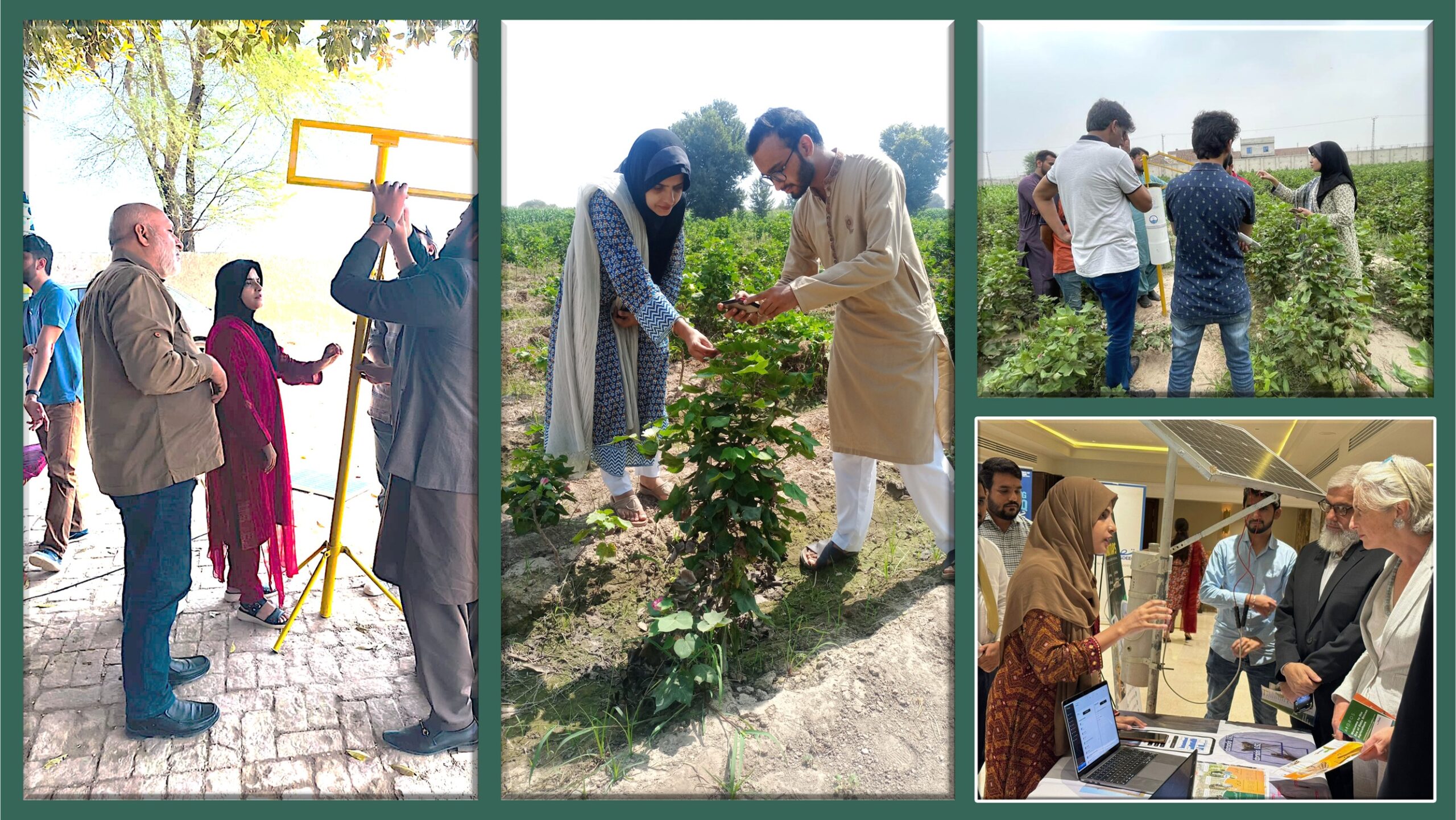
The system has already been deployed at multiple commercial farms, where it is helping farmers make informed decisions about pest control.
“Before SMARTRAPS, I couldn’t tell what pest was attacking my field—now I get alerts on my phone,” says a farmer from Multan, who has been using the traps since their initial pilot phase.
In addition to improving agricultural productivity, SMARTRAPS also contributes to environmental sustainability, export quality improvement, and reduced health risks associated with pesticide overuse. More than 8 university students were directly involved in the design and testing of SMARTRAPS, and dozens of others gained hands-on exposure to IoT and AI integration through this initiative. Farmer awareness sessions have also been conducted to promote adoption and digital literacy.
Challenges and the Road Ahead
Developing and scaling SMARTRAPS has not been without hurdles. Inflation significantly increased the cost of hardware components, limiting the number of traps from the anticipated 50 to 25 in the pilot phase. Maintaining internet connectivity in remote areas and ensuring proper battery optimization for long deployments posed additional technical challenges.
However, these obstacles also paved the way for future innovation. The team is now working on integrating LoRaWAN for extended-range, low-power data transmission, and edge-computing capabilities to allow on-device AI processing. LoRaWAN, a long-range wireless technology, enables SMARTRAPS to work even in areas with no internet access. Upcoming versions will also feature soil health sensors to support broader crop management decisions such as irrigation scheduling and fertilizer application.
Scaling Impact with Tech Startup
Photon-AI, the startup spun out of this research, is leading the commercial journey of SMARTRAPS. With a licensing-based revenue model, the company aims to bring its affordable solution to smallholder farmers, exporters, and the crop protection industry. The company has already pitched the product to sugarcane industries through strategic collaborations and is seeking funding to expand training programs and ensure technology adoption at scale.
A Smarter, Safer Future for Farming
SMARTRAPS is more than just a research project—it is a testament to how innovation at the university level can address pressing real-world problems. By empowering farmers with real-time insights, SMARTRAPS is helping Pakistan move toward a more resilient, productive, and sustainable agricultural future.
As Pakistan embraces digital agriculture, solutions like SMARTRAPS will pave the way for smarter, safer, and more sustainable food systems.
References
- Hakim, A., Srivastava, A.K., Hamza, A. et al. Yolo-pest: an optimized YoloV8x for detection of small insect pests using smart traps. Sci Rep 15, 14029 (2025). https://doi.org/10.1038/s41598-025-97825-3
- https://techprojects.mnsuam.edu.pk/smarttrap/
The author is an Assistant Professor at School of Electrical Engineering and Computer Science (SEECS), National University of Sciences and Technology (NUST). She can be reached at [email protected].
Research Profile: https://bit.ly/44wc0Rf