
Alzheimer’s disease is one of the most challenging brain disorders of our time. It slowly damages memory, thinking, and daily functioning, often going unnoticed in its early stages. By the time symptoms become obvious, the disease has already caused significant and irreversible damage. This is why early detection is so important—and so difficult.
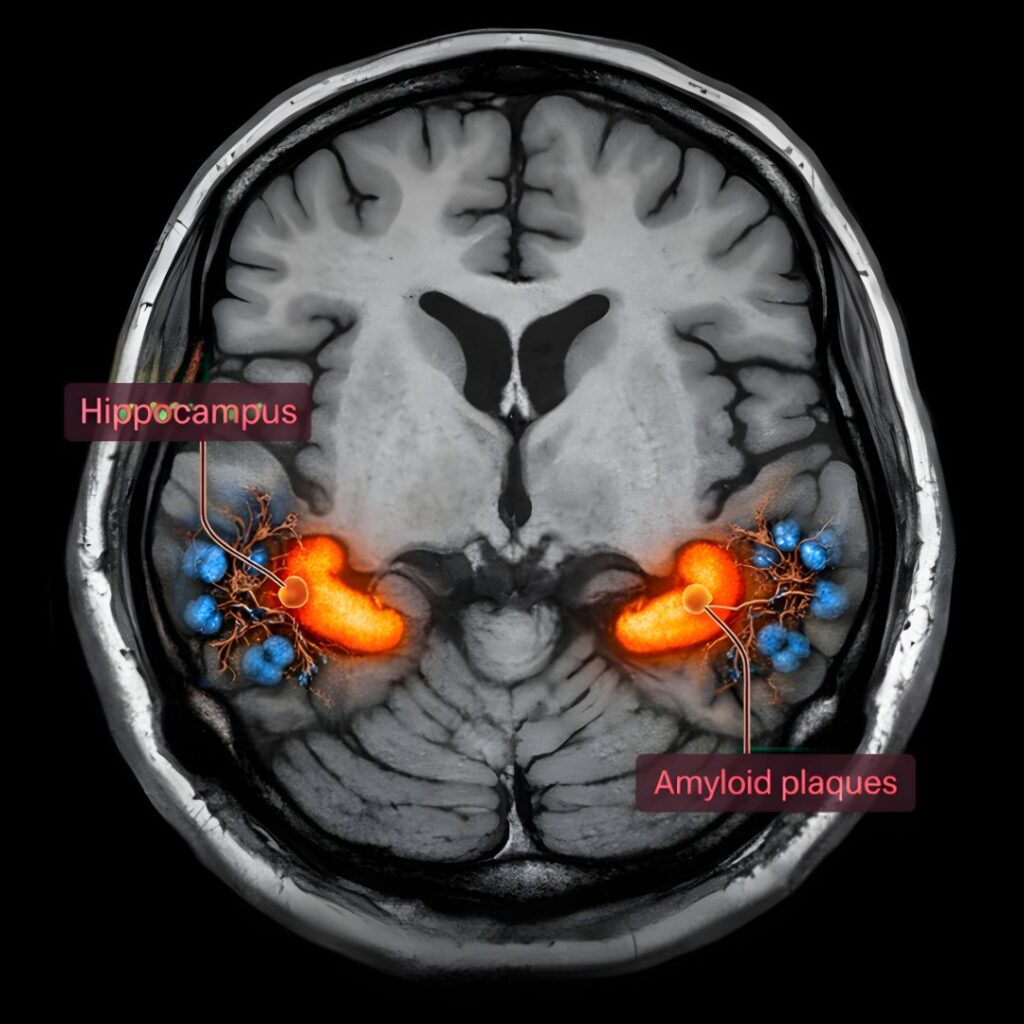
Researchers from NUST and Kyung Hee University South Korea have proposed a new Artificial Intelligence (AI)–based approach that can help doctors identify Alzheimer’s disease much earlier by carefully analyzing MRI brain scans. Their work focuses on a small but extremely important part of the brain called the hippocampus, which plays a key role in memory and learning and is one of the first regions affected by Alzheimer’s.
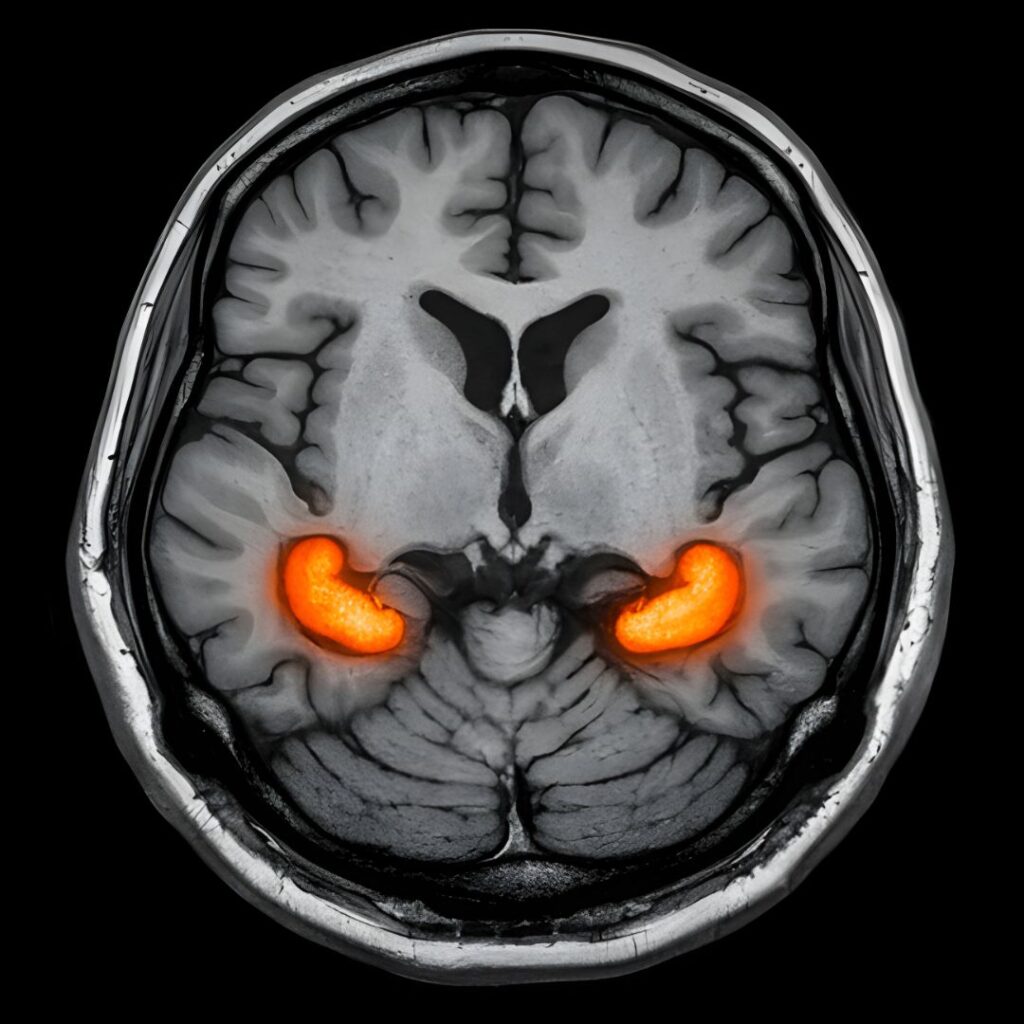
Why the Hippocampus Matters
As Alzheimer’s disease develops, the hippocampus gradually shrinks. This shrinkage happens long before severe memory loss appears. Doctors already use MRI scans to look for these changes but manually analyzing brain images is time-consuming and prone to human error.
The research team asked a simple but powerful question:
Can a smart computer system automatically measure these subtle changes and help doctors detect Alzheimer’s earlier and more accurately?
The answer is yes.
From Brain Images to Smart Decisions
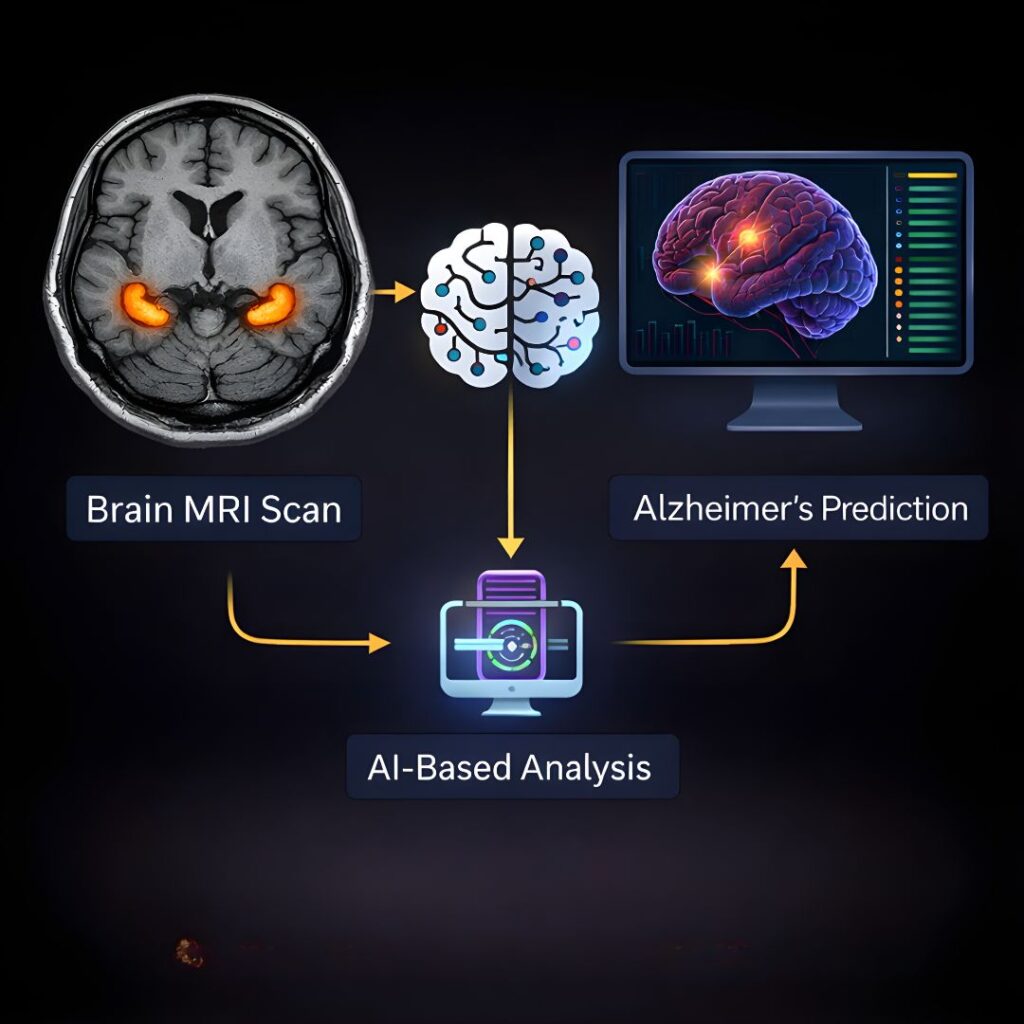
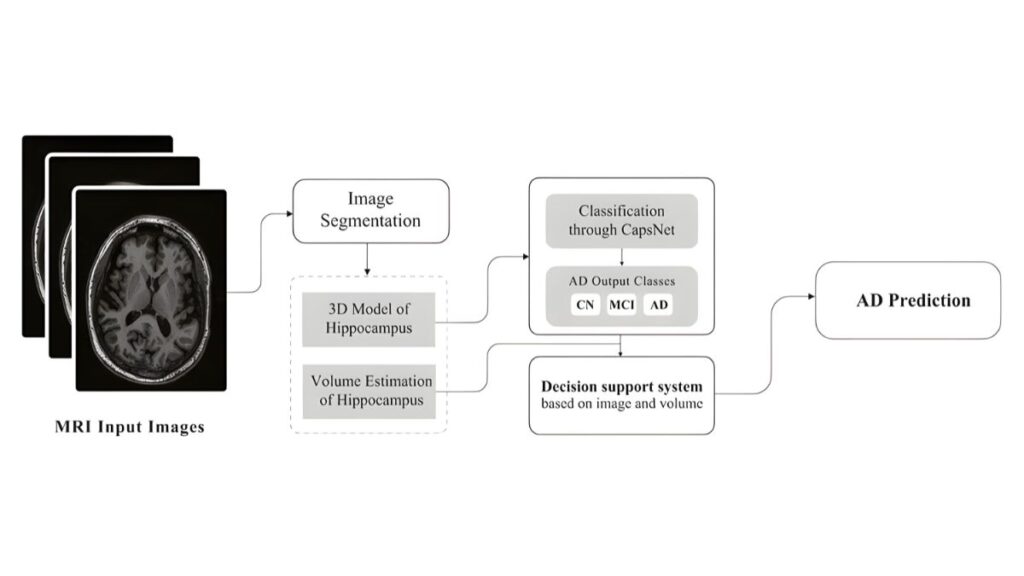
The proposed system works in three main steps:
1. MRI Brain Scans
The process starts with 3D MRI scans of the brain taken from a large public database used worldwide for Alzheimer’s research.
2. Automatic Hippocampus Segmentation
Using an advanced technique, the system automatically separates the hippocampus from the rest of the brain. This step is crucial because it allows the computer to focus only on the most relevant region instead of the entire brain.
3. AI-Based Classification
The segmented hippocampus is then analyzed by a specially designed AI model to determine whether the person is:
- Cognitively Normal (healthy),
- Experiencing Mild Cognitive Impairment (early warning stage), or
- Diagnosed with Alzheimer’s disease.
What Makes This AI Model Special?
Most existing AI systems treat brain images as flat, 2D pictures. However, the human brain is a 3D structure, and important information can be lost when images are flattened.
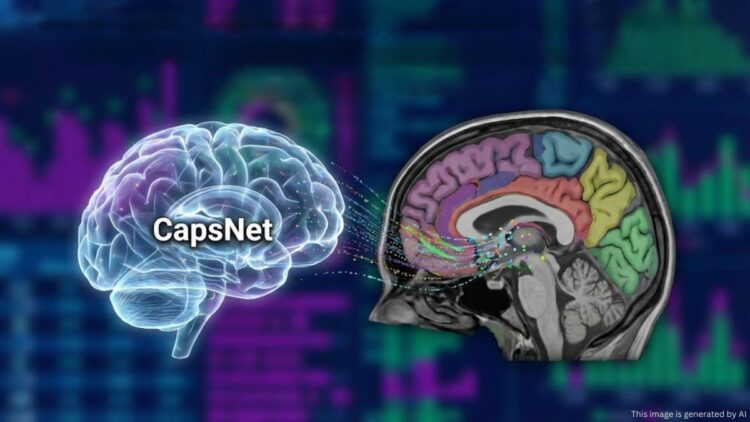
To solve this, the researchers developed a Hybrid 3D Capsule Network, a new type of AI model that:
- Understands 3D brain structure instead of flat images,
- Preserves fine details that traditional models often lose,
- More resistant to rotations and small changes in the images.
In simple terms, this AI does not just “look” at the brain—it understands how different parts of the hippocampus relate to each other in three dimensions.
Measuring Brain Shrinkage Automatically
An important strength of this work is that it does not rely only on AI predictions. The system also measures the actual volume of the hippocampus.
The study shows that:
- Healthy individuals have the largest hippocampal volumes,
- People with mild cognitive impairment show moderate shrinkage,
- Alzheimer’s patients show significant reduction in hippocampal size.
By combining AI classification with physical volume measurements, the system becomes more reliable and clinically meaningful.
How Well Does It Work?
The results are very encouraging. The proposed system achieved:
- 98% accuracy during training, showing that the model learned the patterns well
- Over 75% accuracy on new, unseen data, which is significantly better than many existing methods
This means the system can generalize well and is not just memorizing the data.
Why This Research Is Important
This work has several important implications:
- Earlier Diagnosis
Detecting Alzheimer’s at an early stage gives patients more time for treatment planning and lifestyle adjustments.
- Support for Doctors
The system can act as a decision-support tool, helping doctors analyze MRI scans faster and more objectively.
- Non-Invasive and Scalable
Since it uses MRI scans and automated analysis, the approach can be applied widely without additional medical procedures.
- Strong Contribution from NUST
This research highlights NUST’s growing role in cutting-edge interdisciplinary work that combines computer science, healthcare, and artificial intelligence.
Looking Ahead
While no cure for Alzheimer’s exists yet, early detection remains one of our strongest tools. This research demonstrates how intelligent systems can support doctors and patients alike by turning complex medical images into meaningful insights.
With continued development and clinical testing, such AI-powered tools could become a routine part of neurological care—bringing hope through early awareness and informed action.
The author is an Assistant Professor in Department of Computer Science, National University of Sciences and Technology (NUST), Balochistan Campus. He can be reached at [email protected].
Research Profile: https://scholar.google.com/citations?user=7ZZlFrQAAAAJ&hl=en&authuser=2