
Fish-Sense – AI Innovations in Aquaculture

Aquaculture, the farming of aquatic organisms, has become a crucial pillar of global food security. Contributing nearly half (49%) of the world’s fish production at a staggering 88 million tons annually, this industry plays a vital role in meeting the growing protein demands of our planet. However, this growth trajectory faces significant challenges – one…


Loading

Empowering the Visually Impaired with Smart Vision Technology

Robust and efficient Machine Learning (ML) algorithms are the crux of attention in the image/video and speech processing community. The purpose of this project is to develop an intelligent object detection system to categorize various objects of interest in the daily life. Hence, provide a smart vision capability to visually impaired people. Mostly, the currently…

Loading

Metal induced toxicity and the after effect on Human Brain

In the complex tapestry of our environment, heavy metals play a multi-faceted role. They are essential for industry and technology, yet their accumulation poses an alarming risk to our well-being. The rise in industrial activities and urbanization has led to a surge in neurotoxic and heavy metals pollution, releasing these toxic elements into our air,…

Loading

SafeRail: Using Sensor Technology and AI for Safer Railways

Pakistan Railways (PR), the only railroad sector organization of Pakistan aims to provide a competitive, safe, reliable, market oriented, efficient, and environment-friendly mode of passenger as well as freight transport. As of June 2022, the total track length of PR was 11,881 kilometers consisting of 445 Railway stations whereas rolling stock consisted of 466 locomotives,…

Loading

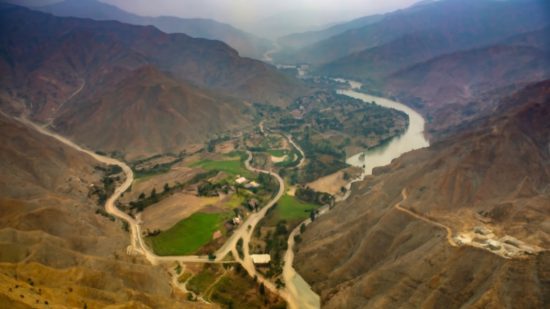
Beyond Return and Resettlement: The impact of Exposure and Interactions on the Post-Conflict Development of North Waziristan

As the title suggests, our study documents the impact of exposure and interactions on the post-conflict development of North Waziristan. It avoids the reductionist approach of subjecting the discourse around Internal Displaced Persons (IDPs) to mere marginalized bodies. Instead, our study helps us understand how, through the ‘networks of interactions’ and exposure, returnees can meaningfully…

Loading