PEEOS: Phenology Estimation of Rice and Wheat in Pakistan using Earth Observation Satellite Imagery

Introduction Agriculture is the backbone of Pakistan’s economy, with rice and wheat feeding millions and driving rural livelihoods. Yet, farmers and other relevant stakeholders (policymakers, crop breeders, researchers) alike face a common challenge: knowing the right time to sow, irrigate, and harvest crops. Traditionally, this knowledge has been based on experience and local weather patterns….

Loading

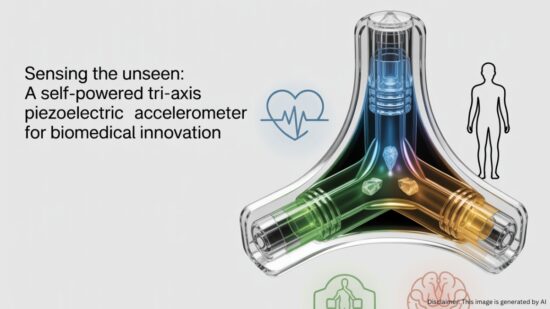
Sensing the Unseen: A Self-Powered Tri-Axis Piezoelectric Accelerometer for Biomedical Innovation

Imagine a world where surgical tools could “feel” the pressure they apply or where wearable devices could monitor movement with surgical precision without needing a power source. At the Department of Mechatronics Engineering, NUST College of EME, Dr. Hassan Elahi and his research team have made a major leap toward this future. Their latest innovation,…

Loading

Testing Tablets: A Cost effective testing for Alkaloids detection in Herbal Samples

For millions of people across Pakistan, herbal medicines are not just supplements — they are trusted remedies, passed down through generations and relied upon daily for healing. From roadside dispensaries to household kitchen shelves, plant-based treatments remain the first line of care for countless communities where modern healthcare is distant. But behind this deep cultural…

Loading

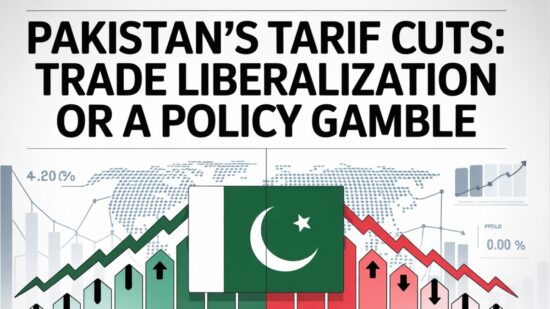
Pakistan’s Tariff Cuts: Trade Liberalization or a Policy Gamble

The Pakistani government in fiscal year budget 2025-26 has decided to initially reduce and eventually eliminate tariffs, or tax on imports, on car imports by 2029 which is currently at 40%. This policy may seem as a step toward rationalising trade and increasing accessibility, but it may as well be the government’s recipe for disaster….

Loading